 Dehler
Dehler
Dehler
In the evolving landscape of global power distribution, the Expulsion-Type Drop-Out Fuse remains the cornerstone of overhead line protection. Designed to safeguard transformers and distribution lines from short circuits and overloads, these devices combine mechanical simplicity with sophisticated thermodynamic arc-extinguishing principles. As a leading manufacturer based in China's electrical hub, we analyze the critical technical vectors that define reliability in modern grids.
The core of an expulsion fuse lies in its ability to manage high-energy faults within milliseconds. When the fuse link melts under fault conditions, an electric arc is formed. The arc's heat interacts with the vulcanized fiber lining of the fuse tube, releasing a high-velocity de-ionizing gas. This "expulsion" of gas creates a powerful longitudinal blast that effectively de-ionizes the arc path at the current zero, ensuring circuit interruption. For engineers, understanding the balance between tube diameter and gas pressure is vital for successful fault clearance at varying kA ratings.
Total clearing time typically under 0.01 seconds for high-current faults, minimizing equipment stress.
The "drop-out" mechanism provides immediate visual confirmation to maintenance crews that a circuit is open.
Interchangeable fuse links (K-type, T-type) allow for precise coordination with downstream protection.
Procuring high-voltage equipment requires more than just a low price; it requires Compliance Assurance. Our expulsion-type fuses are engineered to meet and exceed:
Dehler Technology is strategically located in the Yueqing Economic Development Zone. This region represents the world's most dense ecosystem for power equipment. For global procurement officers, this translates to:
Enterprises today demand "Information Gain" before making a purchase. When evaluating a supplier for drop-out fuses, focus on these data points:
| Feature | Industrial Standard | Dehler Advantage |
|---|---|---|
| Insulator Material | Silicone Rubber / Porcelain | High-hydrophobicity Polymer (UV resistant) |
| Breaking Capacity | 8kA - 12.5kA | Tested up to 16kA for 33kV systems |
| Contact Plating | Zinc or Silver | Thick Silver Plating (>20μm) for low resistance |
| Corrosion Resistance | 96h Salt Spray | Hot-dip Galvanized steel (>80μm) for 20-year life |
The industry is shifting towards Smart Grid Integration. We are currently developing expulsion fuses equipped with IoT sensors that can transmit the "dropped out" status via LoRaWAN or NB-IoT to a central control room. Furthermore, the transition from traditional porcelain to recyclable composite polymers is reducing the carbon footprint of distribution networks by 15%.
Our fuses are engineered for diverse environments:

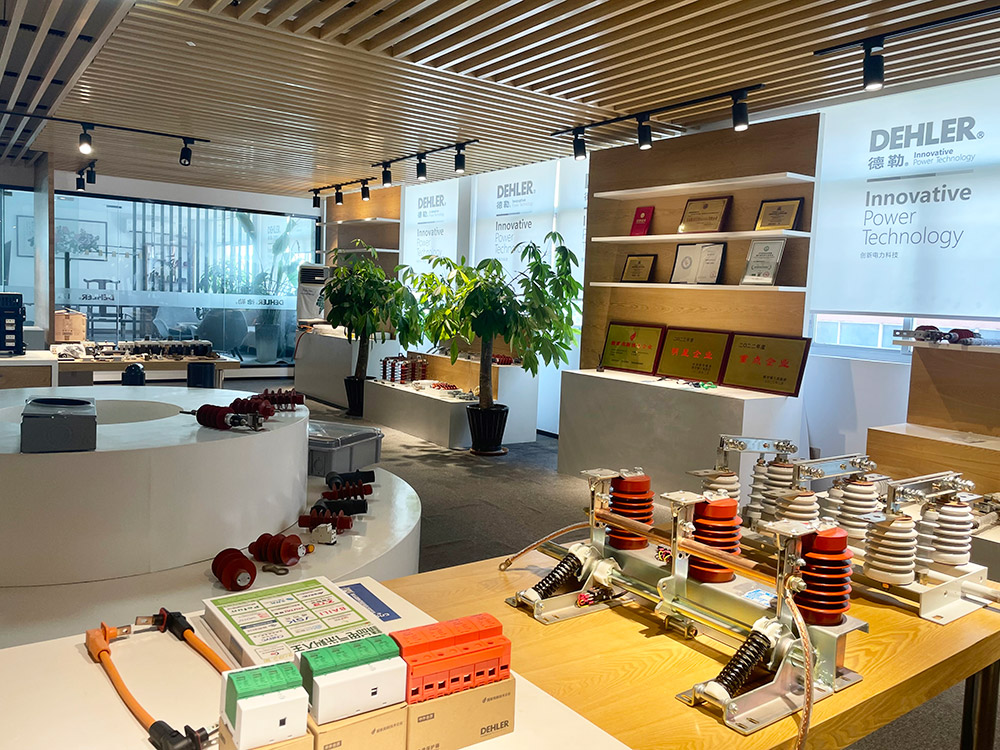
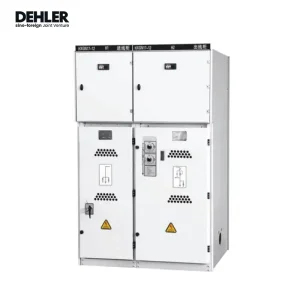
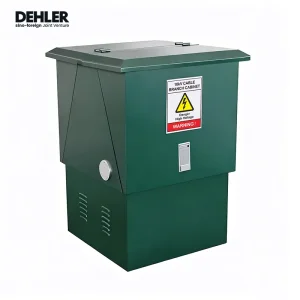
Dehler Technology Co., Ltd., established in 2016, is a technology enterprise integrating R&D, production, sales, and service, specializing in the high and low voltage power equipment industry. Based in Yueqing City, we specialize in high & low voltage switchgear, Prefabricated substations, cable branch cabinets, and various electrical components.
Our business philosophy of "survival through quality, development through technology" drives us to meet the diverse needs of power systems with reliable, energy-saving, and environmentally friendly intelligent power distribution products.
Over the years, our company has diversified its product offerings and continuously upgraded its services. We strictly adhere to national quality system standards, cultivating a positive corporate image through a systematic and standardized quality management system.
"High-quality products, superior technology, and impeccable service" are the goals pursued by Dehler. We strive to innovate business philosophy, enhance management, and accelerate resource integration to compete globally.
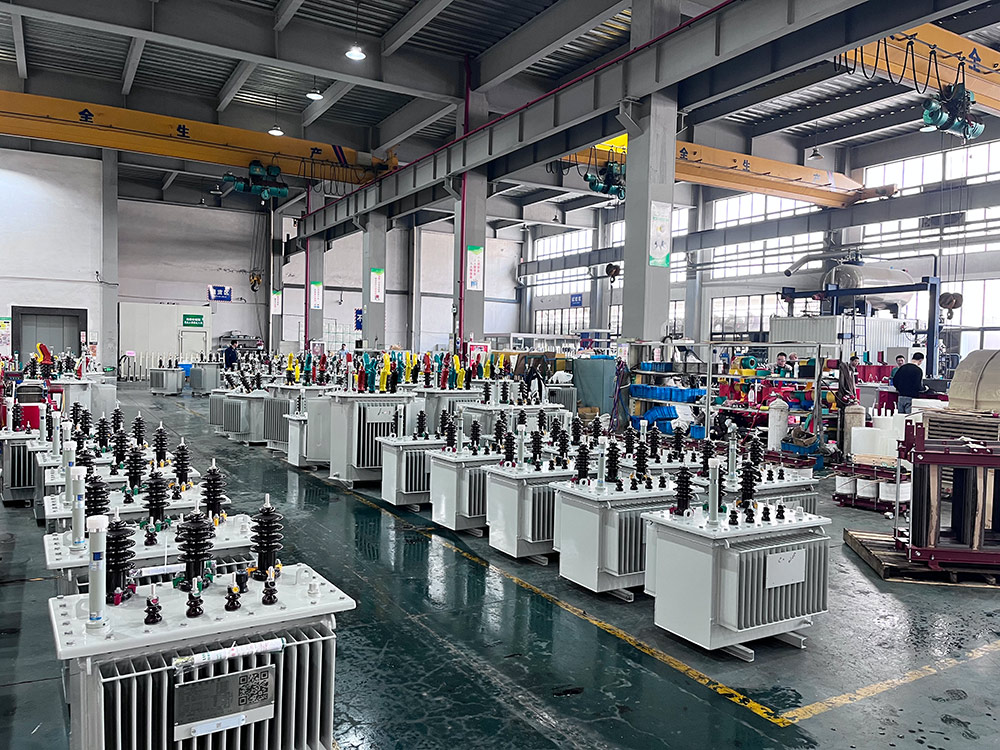
Based in China, with a global perspective, our company sincerely collaborates with international partners to create shared success. We welcome all parties to visit our factory and inquire about custom solutions.