
Dehler Dehler

China Reactive Power Compensation Controllers from Leading Suppliers | Efficient Factory Solutions for Power Factor Improvement

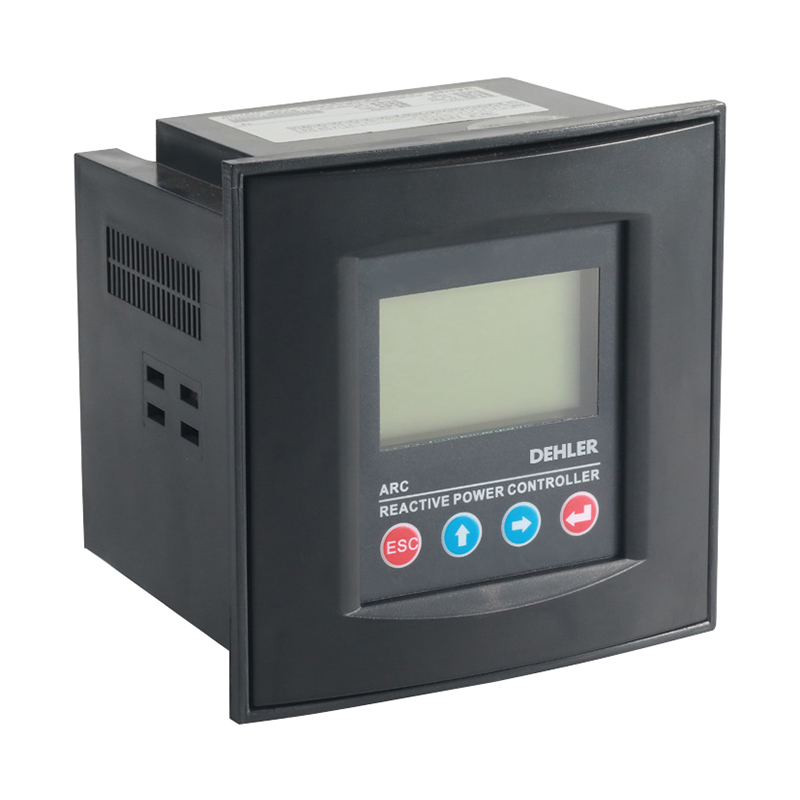
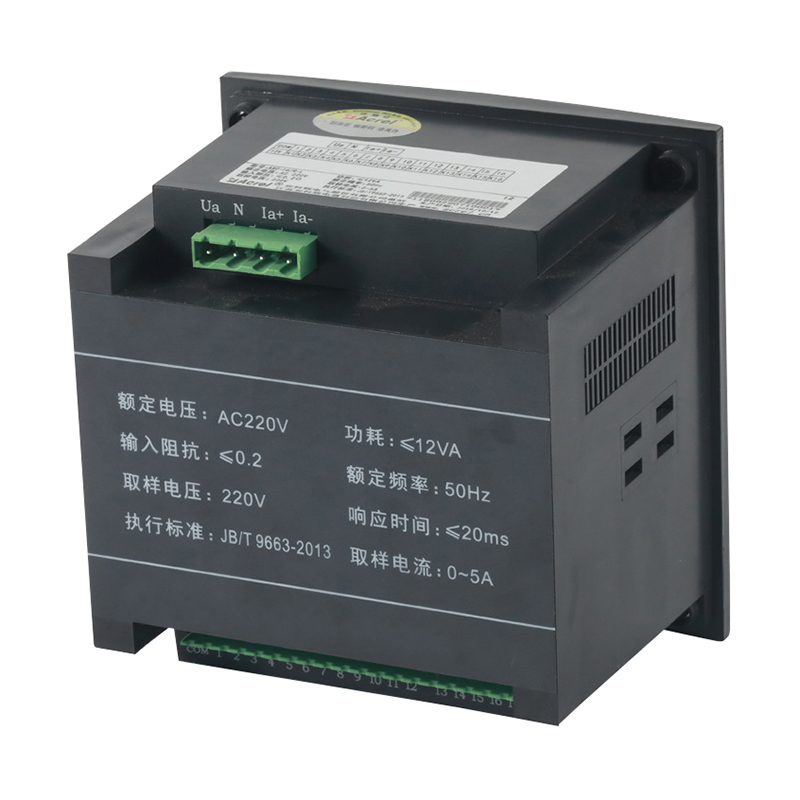
Reactive power compensation controllers are essential components of reactive power compensation devices, playing a crucial role in enhancing power system efficiency. Manufactured in China, these controllers are widely sought after by suppliers and factories looking to optimize their operations. They continuously monitor reactive power and power factor, automatically managing the connection and disconnection of capacitors to improve power factor, stabilize voltage, and reduce line losses. By measuring real-time grid parameters, these advanced controllers adjust compensation capacity based on preset logic, ensuring that the system operates efficiently within its normal range. With a focus on quality and performance, our reactive power compensation controllers are the ideal solution for businesses aiming to enhance their energy management systems

Product Description

Main Functions and Effects

Improve Power Factor Compensates for reactive power in the system, bringing the power factor closer to 1, thereby improving energy efficiency.
Reduce Line Losses By improving the power factor, the current in the lines can be reduced, thus reducing line losses.
Stabilize Voltage The compensation device helps stabilize the voltage level of the power grid.
Improve Power Quality Reduces voltage fluctuations and improves power supply reliability.

Technical Features

Automatic Monitoring and Control Real-time monitoring of parameters such as voltage, current, reactive power, and power factor, and automatic compensation decisions based on this data.
Intelligent Switching Logic Advanced switching strategies, such as cyclic switching and coding methods, to balance capacitor lifespan.
Protection Functions Typically integrates overvoltage, undervoltage, harmonic over-limit, and temperature over-limit protection functions to prevent equipment damage.
Human-Machine Interface Provides a user-friendly interface, allowing users to set parameters and view status via a panel or communication interface.
Communication Capabilities Many controllers support communication interfaces such as RS485, facilitating remote data monitoring and management.
Electromagnetic Compatibility Complies with relevant electromagnetic compatibility (EMC) standards and has good anti-interference capabilities.

Application Areas

Widely used in industrial and civil power distribution systems, especially in locations with large inductive loads (such as motors and transformers).

Suitable for various applications requiring improved power quality.
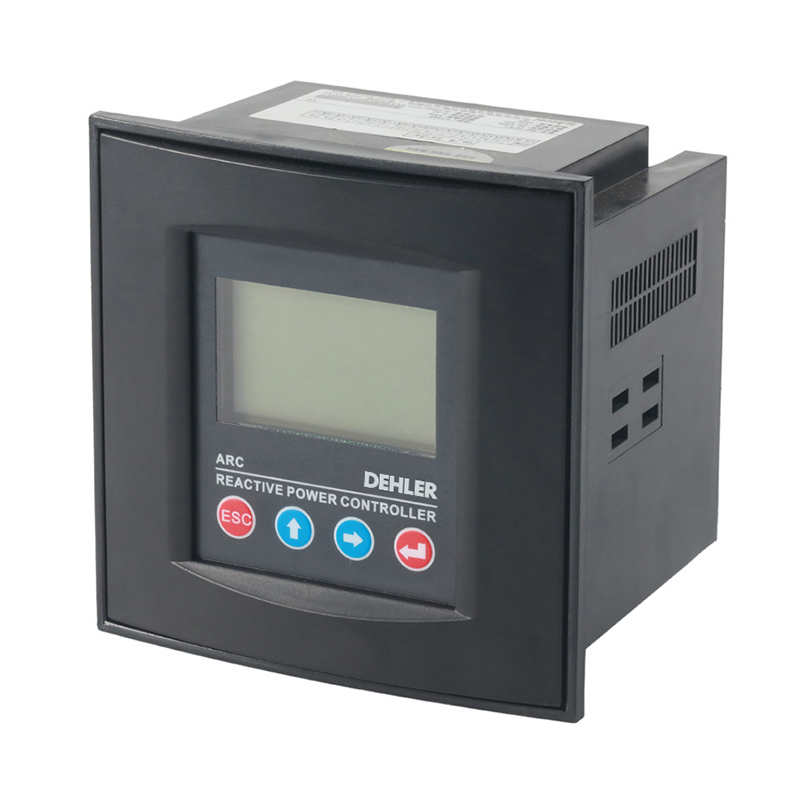
Product Display

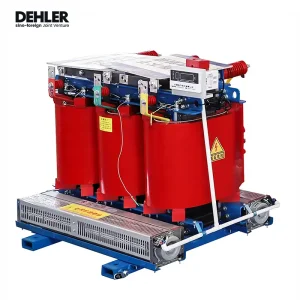
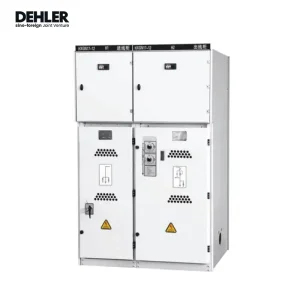
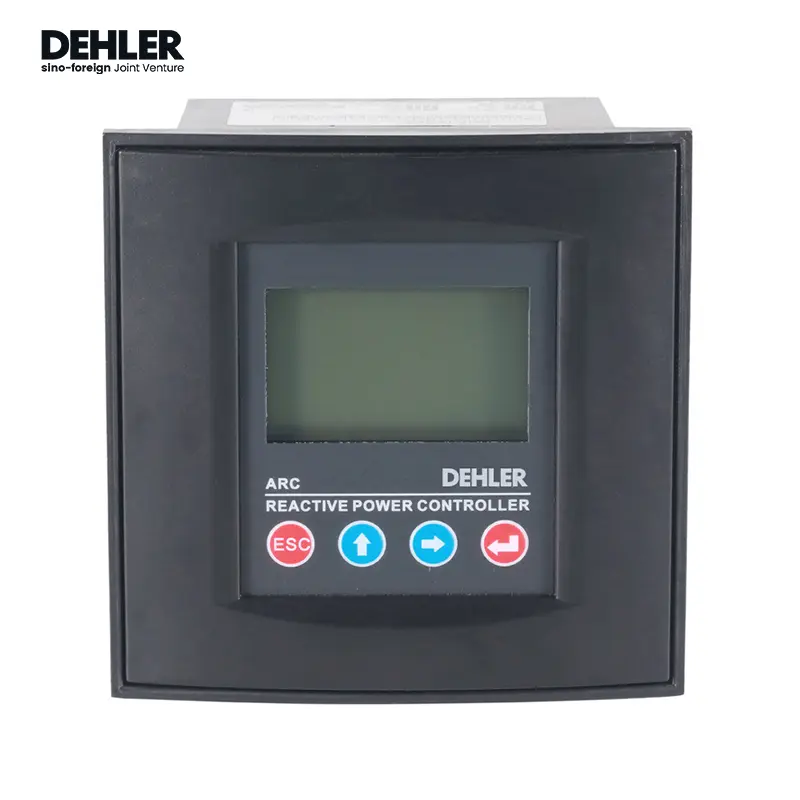
Reactive power compensation controller view 1
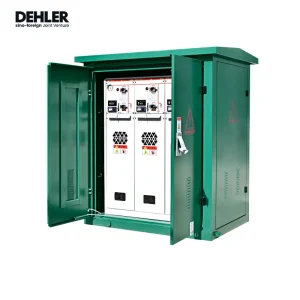
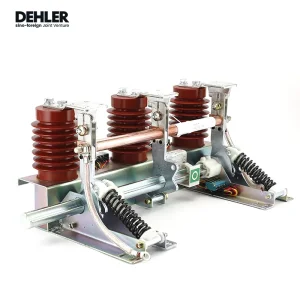
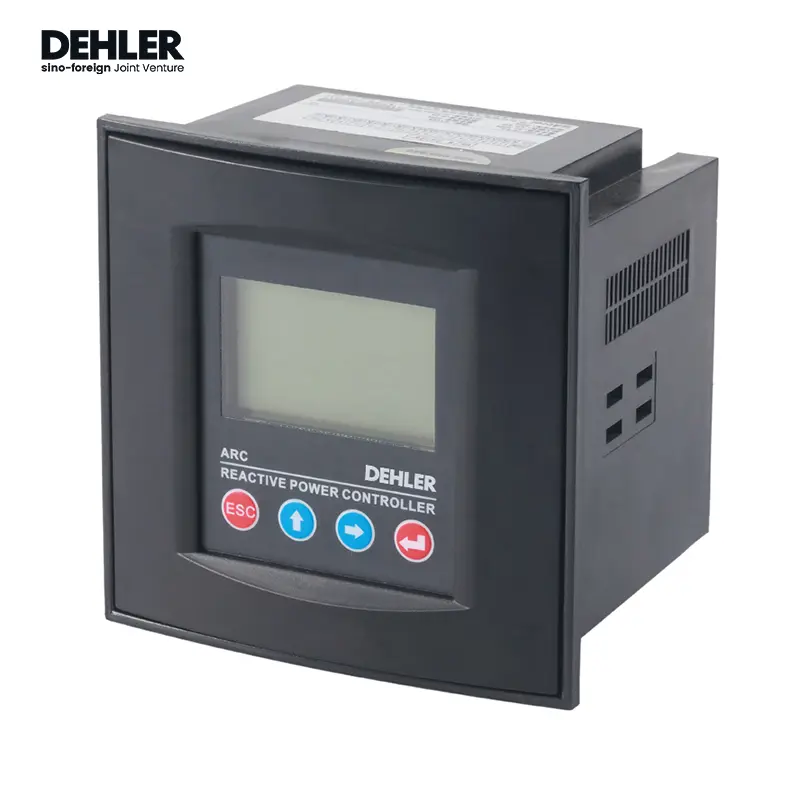
Reactive power compensation controller view 2
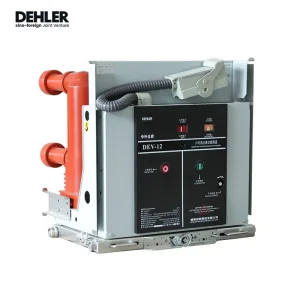
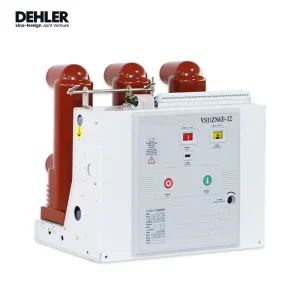
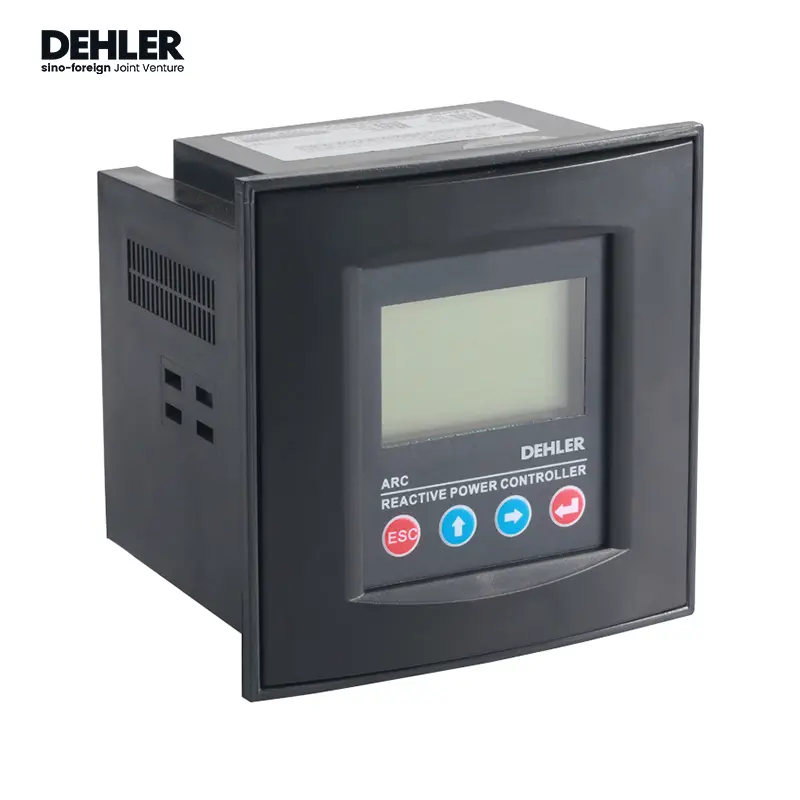
Reactive power compensation controller view 3

Frequently Asked Questions

Q1: What is a reactive power compensation controller?
A reactive power compensation controller is an intelligent device that monitors and automatically manages reactive power in an electrical system. It controls capacitor banks to improve the power factor, reduce line losses, and stabilize grid voltage.
Q2: Why is improving the power factor important?
A higher power factor means the electrical system is using energy more efficiently. It reduces unnecessary current flow in the lines, lowers energy bills, decreases equipment stress, and helps avoid utility penalties for poor power factor.
Q3: What protection functions does the controller provide?
The controller typically includes overvoltage protection, undervoltage protection, harmonic over-limit protection, and temperature over-limit protection. These safeguards prevent damage to the compensation equipment and connected loads.
Q4: Does the controller support remote monitoring?
Yes. Most reactive power compensation controllers support communication interfaces such as RS485 and Modbus protocols, enabling remote data monitoring, parameter configuration, and system management.
Q5: What industries commonly use reactive power compensation controllers?
They are widely used in industrial manufacturing, commercial buildings, data centers, utilities, and any facility with significant inductive loads such as motors and transformers.
Q6: How does intelligent switching logic extend capacitor lifespan?
The controller uses advanced strategies such as cyclic switching to distribute operations evenly across all capacitor banks. This prevents any single capacitor from being overworked, balancing wear and extending service life.

Related Products