
Dehler Dehler

Custom Reliable High-Voltage Stationary Contacts for Power Grids – China Suppliers & Factory Solutions Manufacturers, Factories

High-voltage stationary contacts are essential components in high-voltage switches, facilitating the connection and disconnection of circuits. Working in tandem with moving contacts, these components create a reliable conductive path, demanding exceptional conductivity, strength, and rigidity. Their performance directly influences the safety and longevity of the power grid. Typically comprising a hollow cylindrical conductive hub, a base plate, and elastically connected contact fingers, these contacts utilize their inherent elasticity to maintain contact pressure against moving contacts. As a leading manufacturer in China, our factory specializes in producing high-quality high-voltage stationary contacts, crucial for advanced high-voltage switchgear applications, including high-voltage disconnect switches. Trust our reliable factory as one of the top suppliers for high-voltage solutions

Product Description

Core Functions and Features

Conduction and Contact: The path for current flow, ensuring stable current transmission during high-to-low voltage switching.

Elasticity and Pressure: The contact fingers, through spring mechanisms, generate elasticity, maintaining tight contact with the moving contact to ensure reliable conduction and adapt to minute changes in the contact point.

High Requirements: Extremely high requirements are placed on the conductivity, mechanical strength, and stiffness of the materials to withstand high currents, high voltages, and frequent operation.

Key Components

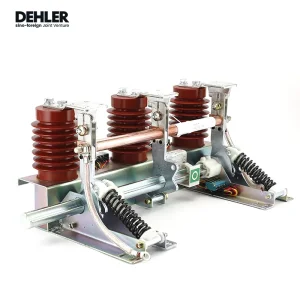
Conductive Pivot: Provides the main conductive path and structural support using a hollow column type design.

Base Plate: The essential base connecting the conductive pivot and the contact fingers.

Contact Fingers: Multiple pairs elastically connected to the conductive pivot via pins, forming a contact surface for holding the moving contact.

Spring Mechanism: Precision installed between the contact fingers to provide elasticity and ensure consistent contact pressure.

Importance in Power Systems

Determines Equipment Lifespan: As a core wearing part of high-voltage switches, the wear rate (≤0.1mm/10,000 operations) and arc ablation resistance are primary factors limiting service life. Reliable stationary contacts are required to operate for up to 30,000 cycles.

Ensures Power Grid Safety: Performance dictates the reliability of control devices in power systems. Unstable contact due to fatigue or insufficient spring force can trigger abnormal resistance or arc discharge, preventing major accidents in UHV power grids.
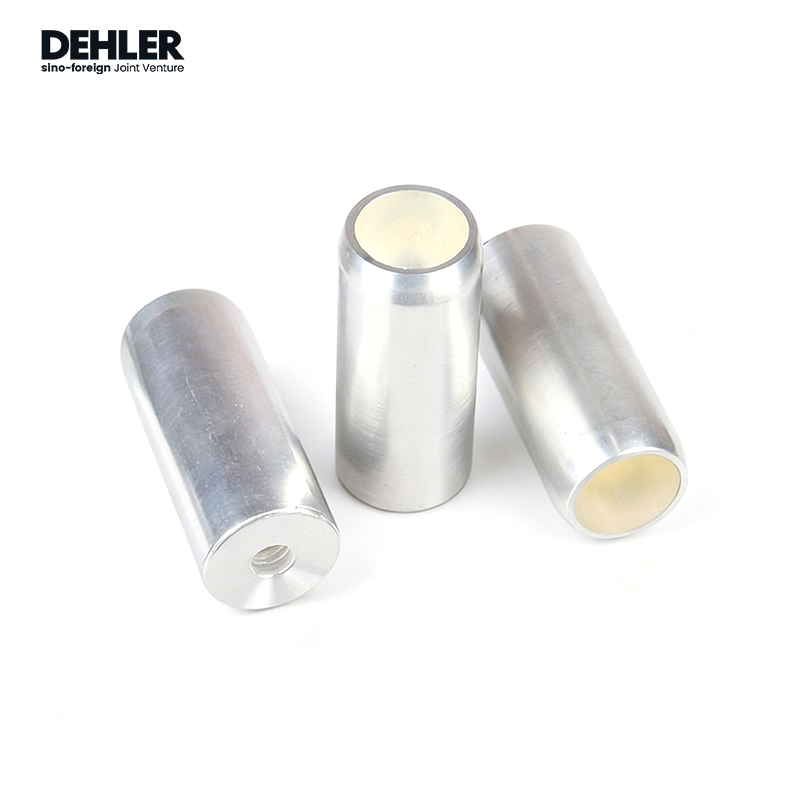
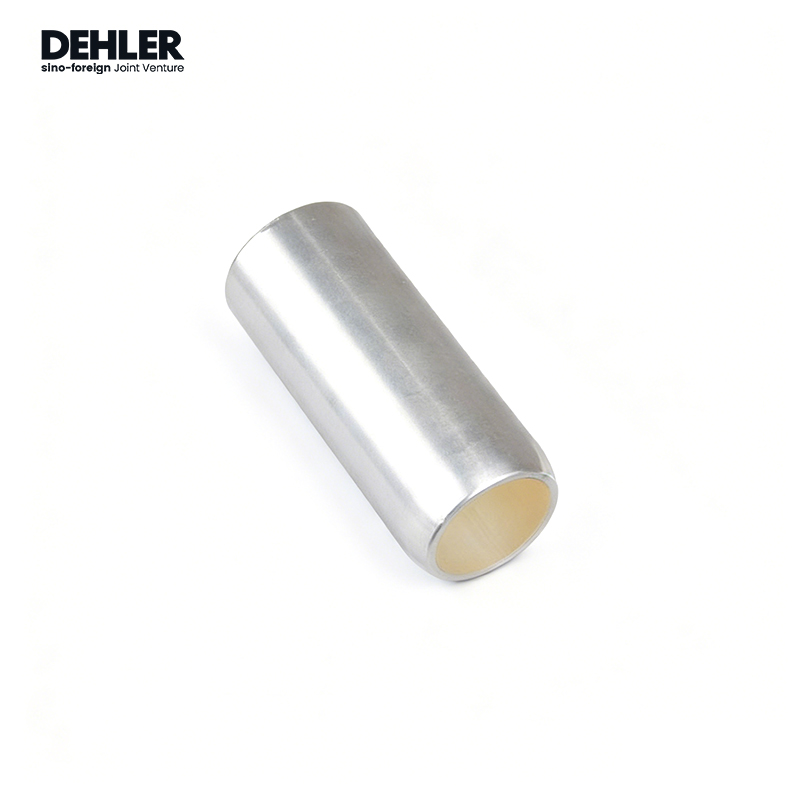
Product Display
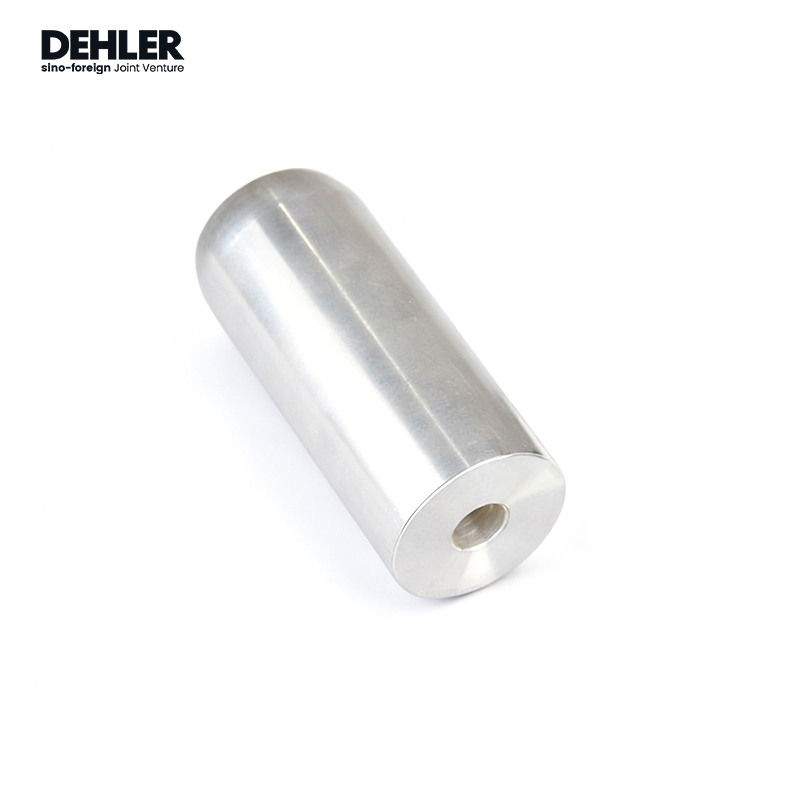
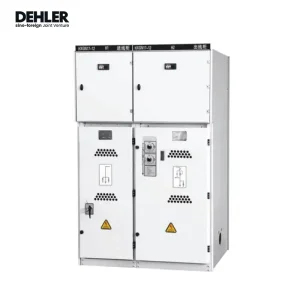
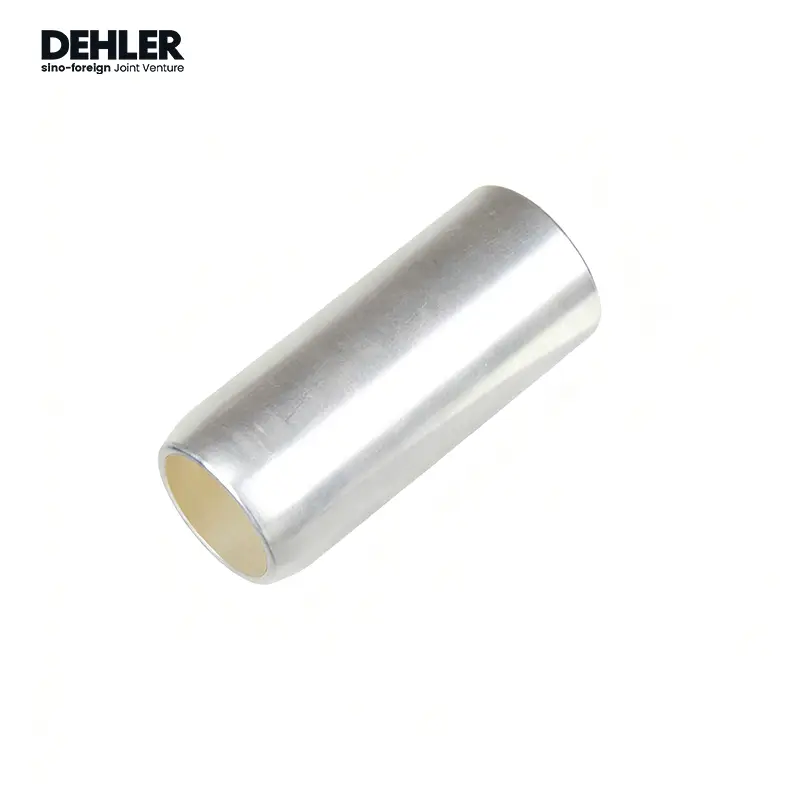
High-voltage Stationary Contact Details
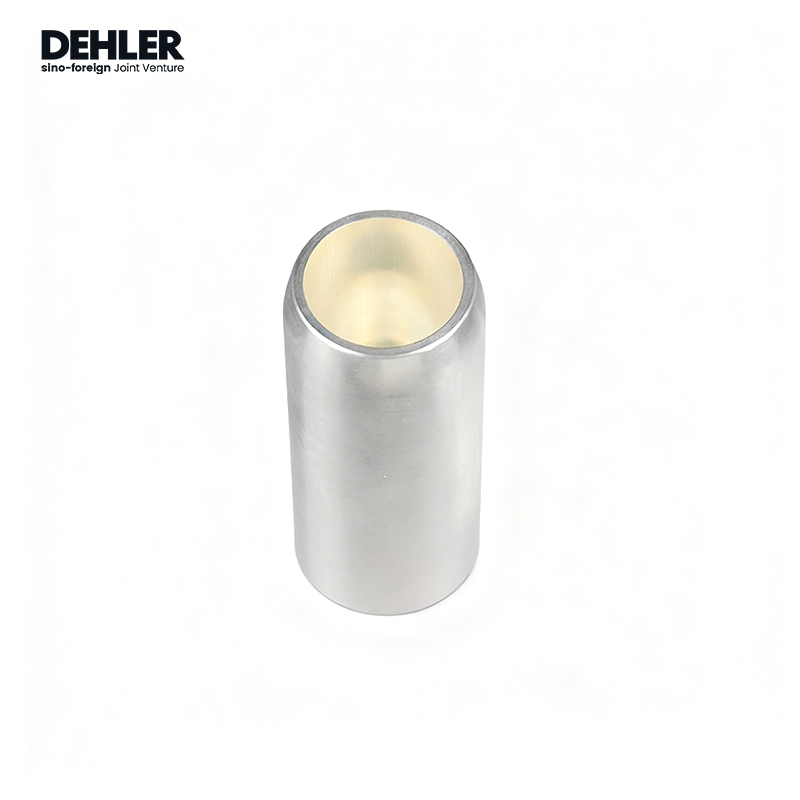
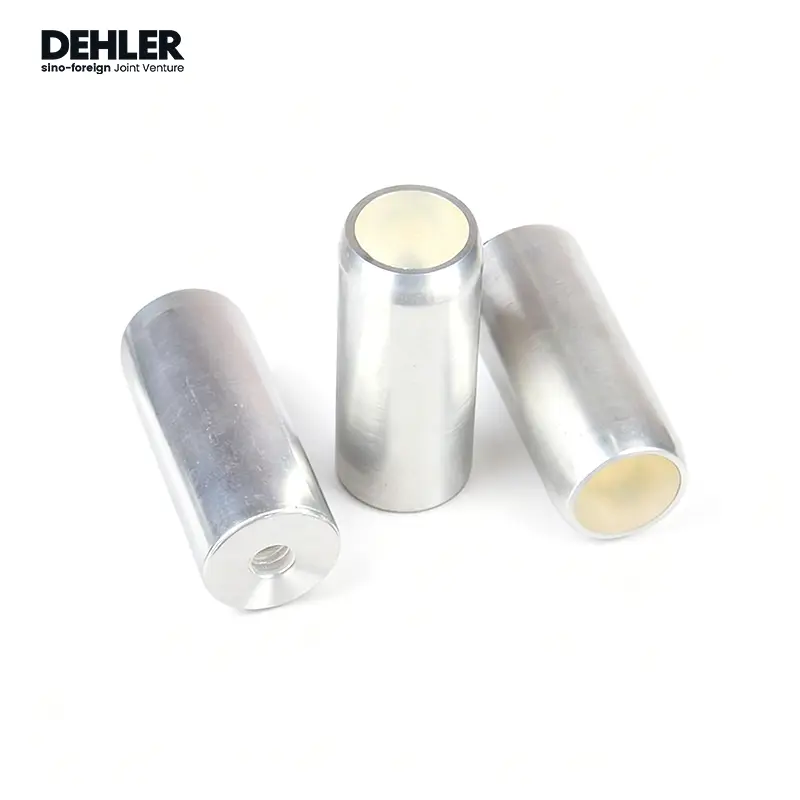
Stationary Contact Assembly
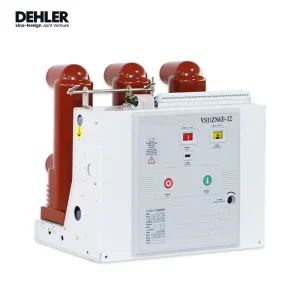
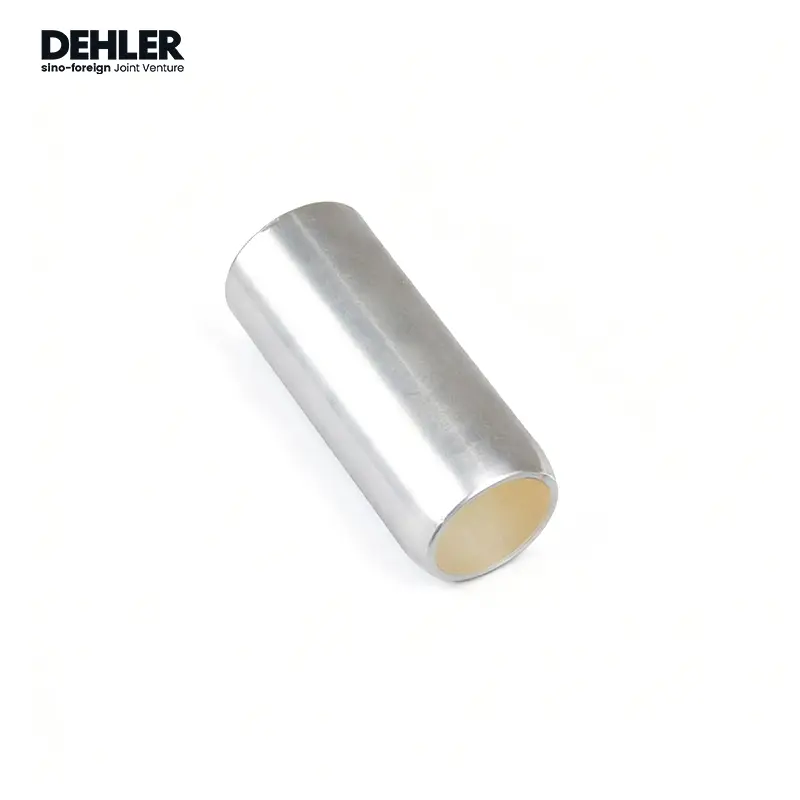
Industrial Contact Finger Components
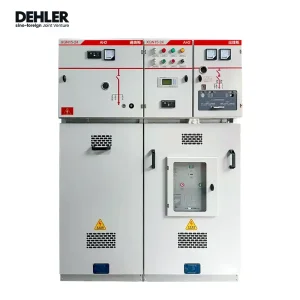
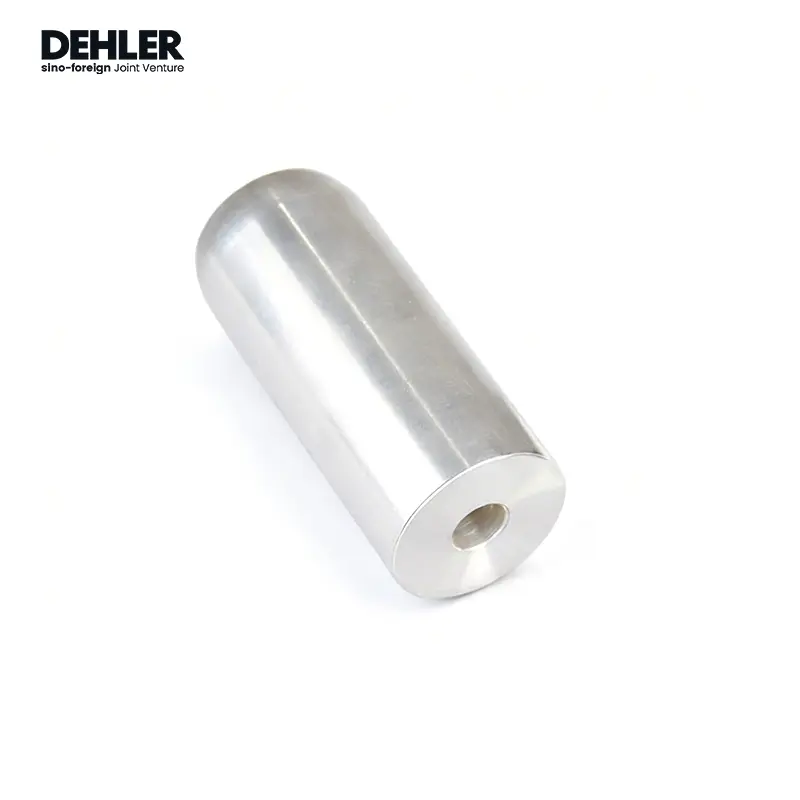
Power Grid Switch Components
Frequently Asked Questions
Q1: What is the primary function of a high-voltage stationary contact?
The primary function is to provide a stable conductive path for current flow during high-to-low voltage switching operations. It works in conjunction with the moving contact to ensure reliable electrical conduction through its spring mechanism.
Q2: What materials are used for these contacts?
High-voltage stationary contacts require materials with exceptional conductivity, mechanical strength, and stiffness to withstand high currents and frequent switching operations without degradation.
Q3: How long do stationary contacts typically last?
High-quality stationary contacts are designed for up to 20 years of service or 30,000 switching cycles, with a wear rate of no more than 0.1mm per 10,000 operations under normal conditions.
Q4: What are the main components of the assembly?
The assembly consists of a conductive pivot (hollow column type), a base plate, multiple pairs of contact fingers, and a specialized spring mechanism for maintaining pressure.
Q5: What risks are associated with low-quality contacts?
Low-quality contacts can lead to abnormal resistance, arc discharge, and switch malfunctions, potentially causing large-scale power outages or equipment burnout in power grids.
Q6: How does the spring mechanism ensure performance?
The spring mechanism maintains consistent elasticity, keeping the contact fingers pressed firmly against the moving contact to ensure reliable conduction even during minute positional changes.

Related Products