Dehler Dehler

Custom Industrial Cable Clamps for Power & Data Lines Supplier, Exporters

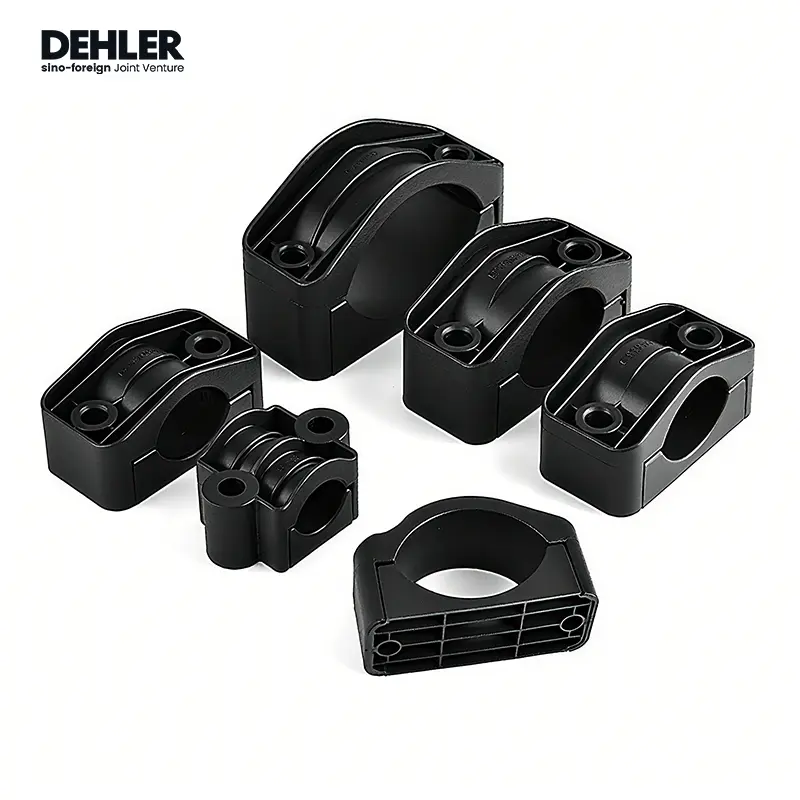
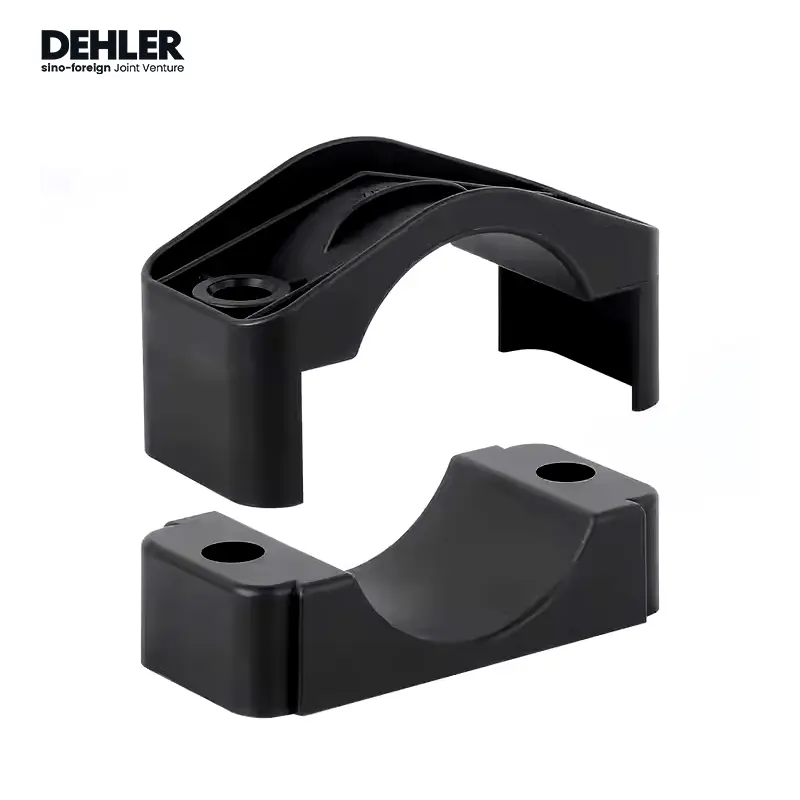
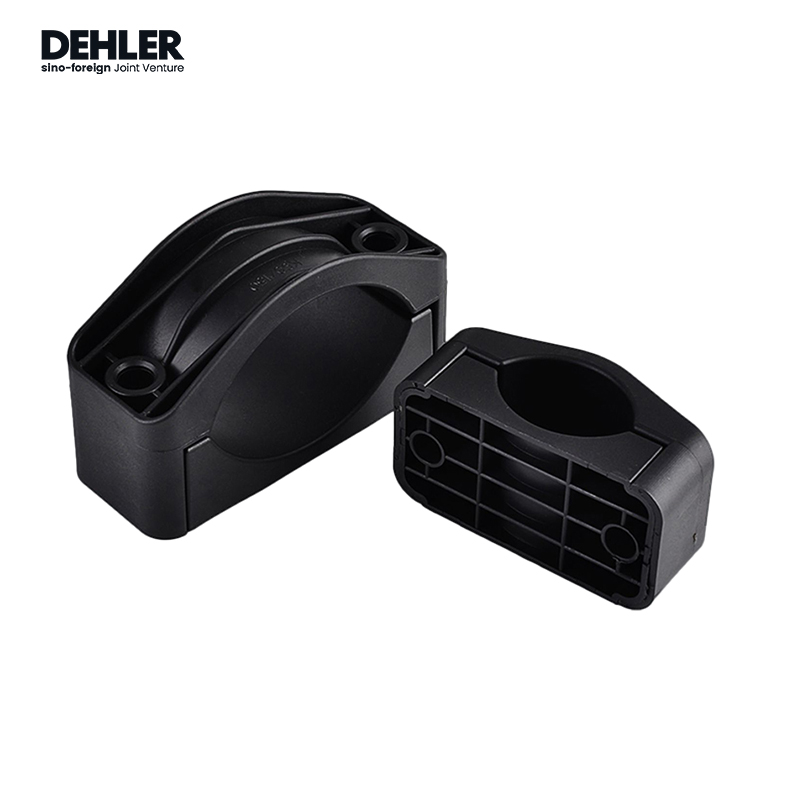
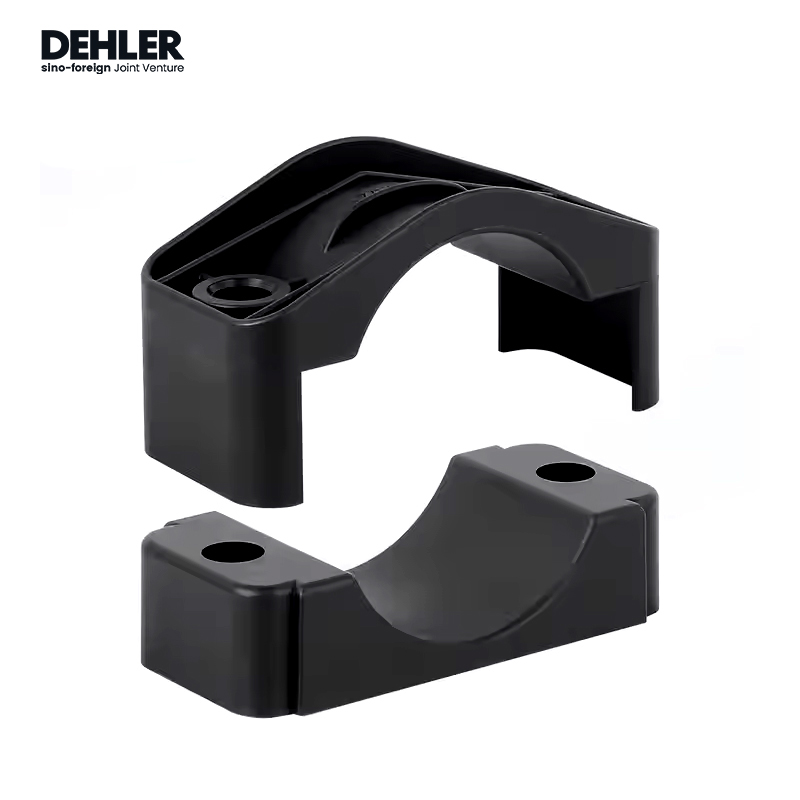
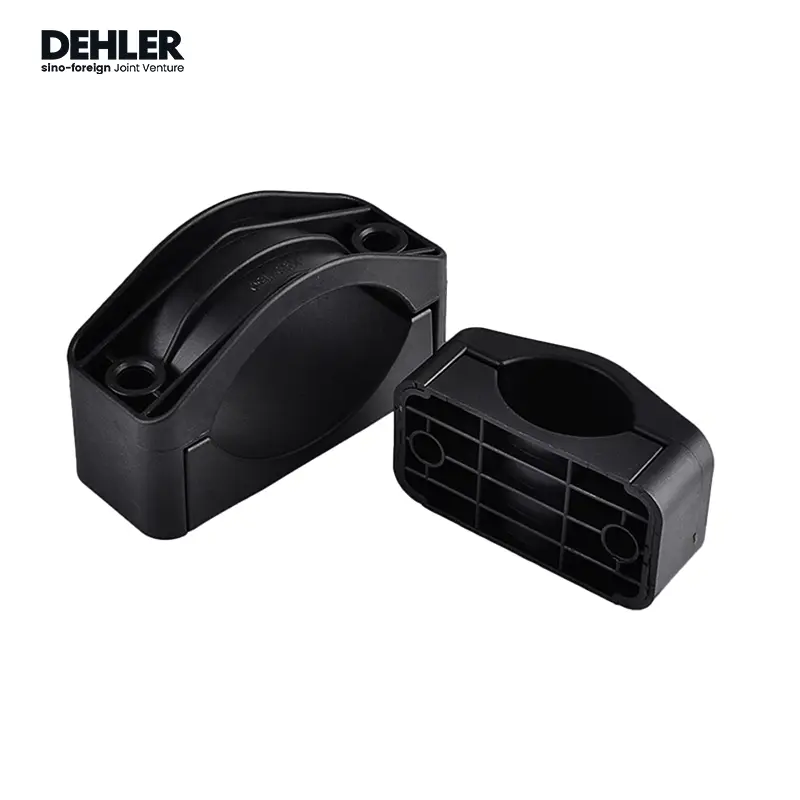
Cable clamps are clamps used to secure and manage cables, combining the properties of two materials. PVC (polyvinyl chloride) is typically used for the outer layer or shell of the cable clamp to provide durable, waterproof, and chemically resistant protection. Nylon, on the other hand, may be used as part of the internal structure, providing additional strength and elasticity, similar to the "tear cord" structure of a cable clamp, to enhance tensile strength and cushioning.

Product Description

Main Functions

Fixed and Supported Cable clamps securely hold cables in place, preventing slippage and loosening.
Protect Cables By distributing stress, cable clamps reduce the mechanical load on cable terminals caused by the cable's own weight and external forces, preventing cable wear and damage.
Organize Cable Wiring Makes cable wiring neater and more organized, facilitating management and maintenance.
Ensure Safety In the event of a short circuit, cable clamps can suppress the mechanical impact caused by repulsive forces on the cable, preventing further damage and complying with relevant standards such as IEC61914.
Sealed and Waterproof Some cable clamps (such as cable joints) also provide sealing, waterproofing, dustproofing, and shock resistance.
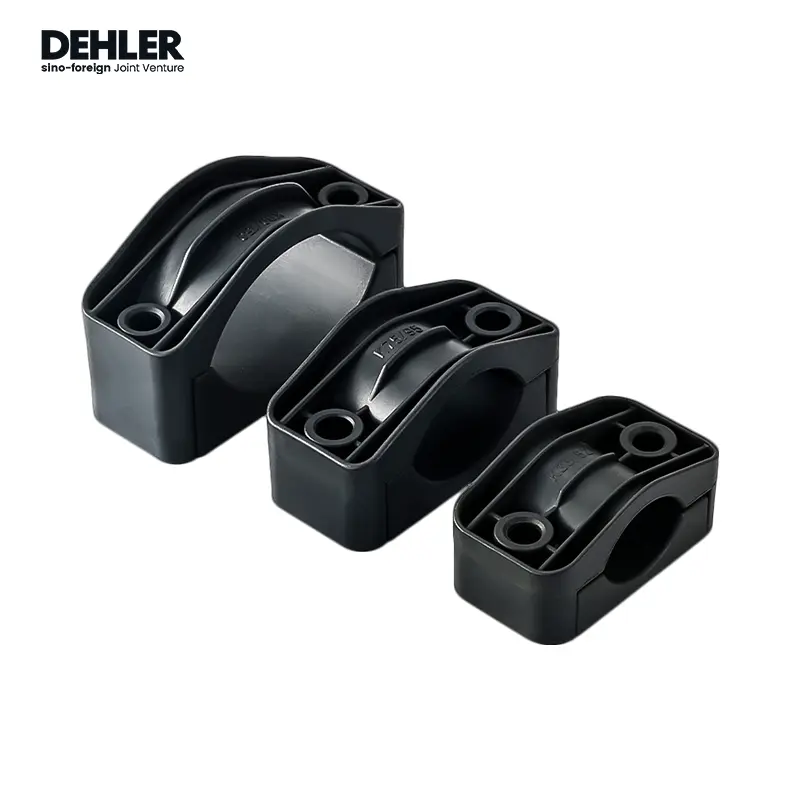
Main Types

Dedicated Cable Clamps
  • Structure: Typically consists of a mounting frame, connecting plate, and clamping mechanism.
  • Materials: Commonly used materials include epoxy insulation board and stainless steel. Connection points are often equipped with buffer springs or rubber pads.
  • Application Scenarios: Suitable for cable laying scenarios such as tunnels and cable trenches, used for fixing and supporting cables.
Cable Joints / Piercing Clamps
  • Function: Primarily used at cable and equipment connections to achieve cable fixing, sealing, and waterproofing.
  • Types: Such as piercing clamps used for branching or splicing, controlled by a torque nut, achieving sealing while piercing the insulation layer and contacting the conductor.
  • Protection Rating: Some products can achieve high protection ratings such as IP68.
Fiber Optic Cable Clamps
  • Function: Used to fix and stretch fiber optic cables, typically possessing characteristics such as UV resistance, corrosion resistance, and resistance to aging.
  • Advantages: Some modern plastic fiber optic cable clamps have a simple design, are easy to install, and will not damage the fragile optical fiber.
Metal Cable Clamps
  • Advantages: Suitable for harsh industrial environments, corrosion-resistant and high-temperature resistant, such as stainless steel and brass.
  • Applications: Commonly used in building escape routes, outdoor environments, etc.

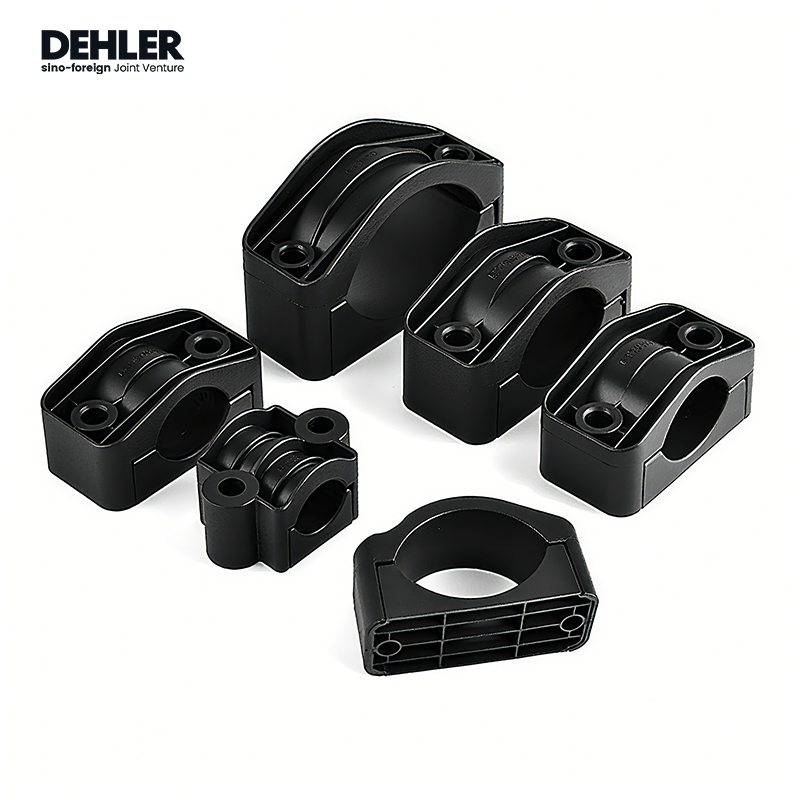
Product Display

Frequently Asked Questions

Q: What is the primary purpose of using cable clamps? A: Cable clamps are primarily used to securely fix and support cables, preventing slippage, protecting them from mechanical stress, and ensuring an organized wiring system.
Q: Can cable clamps withstand short circuit forces? A: Yes, high-quality cable clamps are designed to suppress mechanical impacts caused by repulsive forces during a short circuit, complying with international standards like IEC61914.
Q: Are there specific clamps for outdoor or harsh environments? A: Metal cable clamps made of stainless steel or brass are ideal for harsh environments as they offer superior corrosion and high-temperature resistance.
Q: How do piercing clamps work for cable branching? A: Piercing clamps use a torque nut to pierce the insulation layer and contact the conductor directly, providing a secure connection without stripping the cable, often achieving IP68 waterproof ratings.
Q: Do these clamps damage fiber optic cables? A: Specialized fiber optic cable clamps are designed with smooth clamping mechanisms and protective materials to ensure they hold the cable firmly without damaging the fragile glass fibers.
Q: What materials are commonly used in cable clamp construction? A: Common materials include epoxy insulation boards, stainless steel for frames, and specialized plastics for UV and aging resistance in outdoor applications.

Related Products