1 / 5
 Dehler
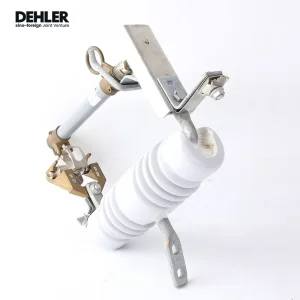
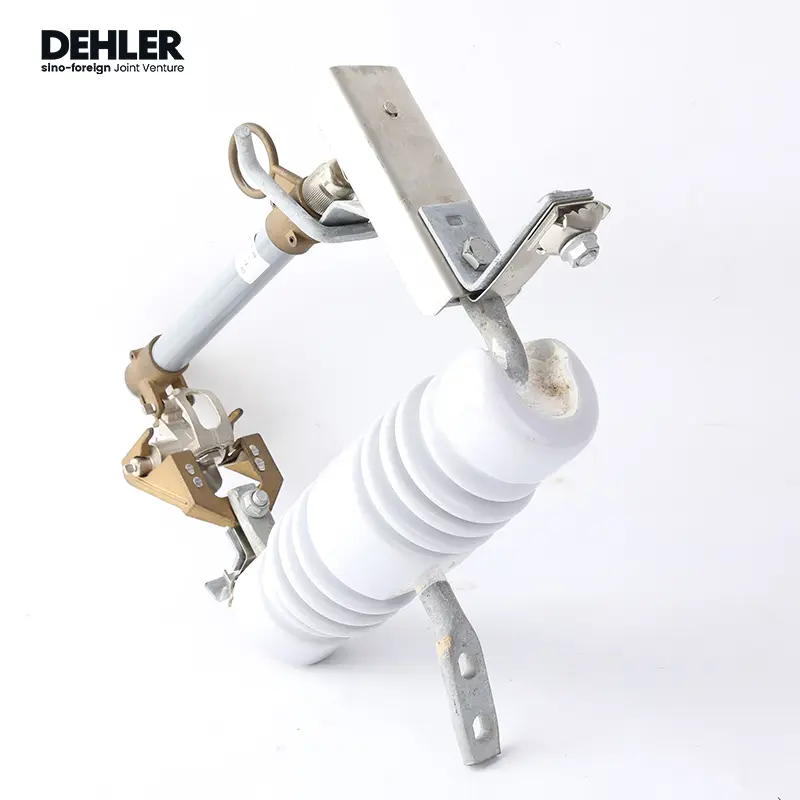
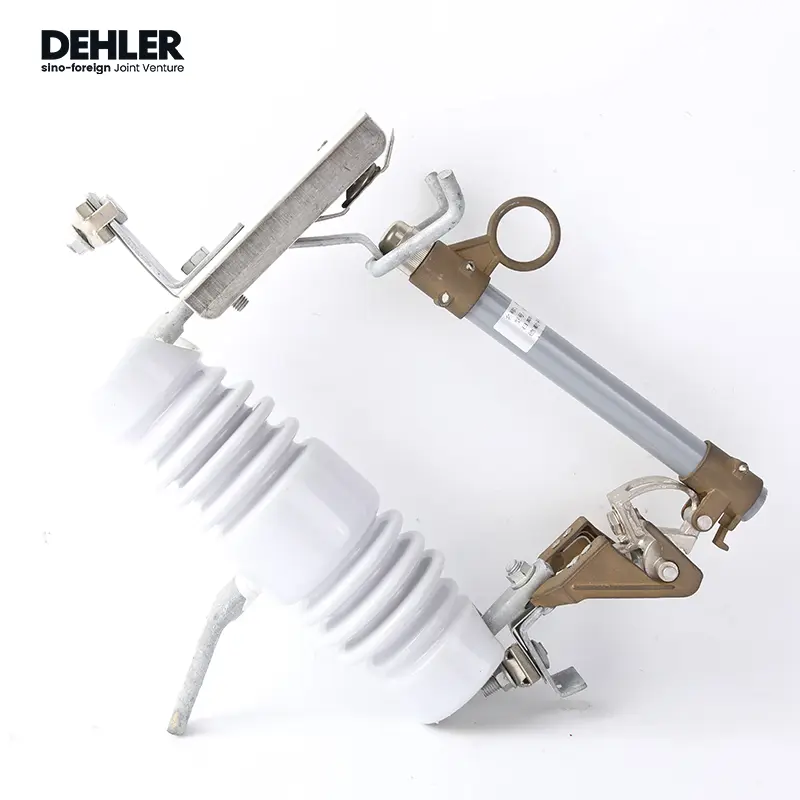
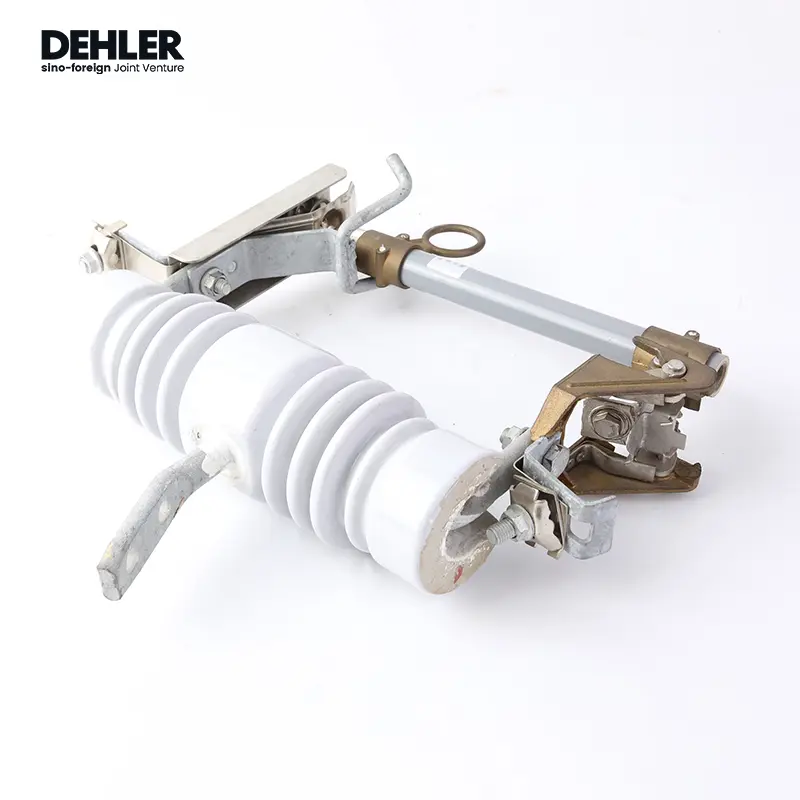
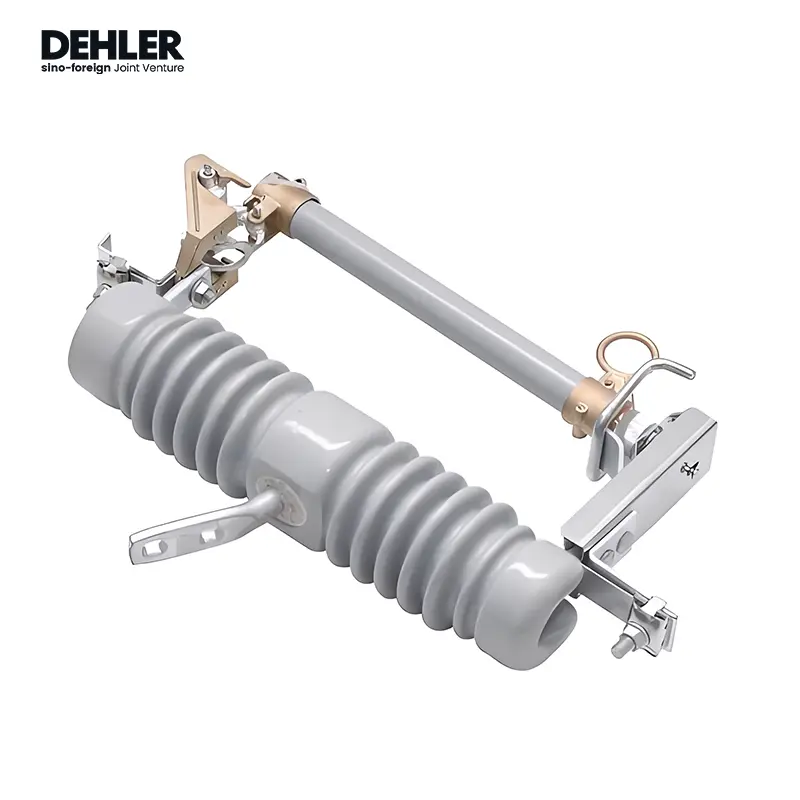
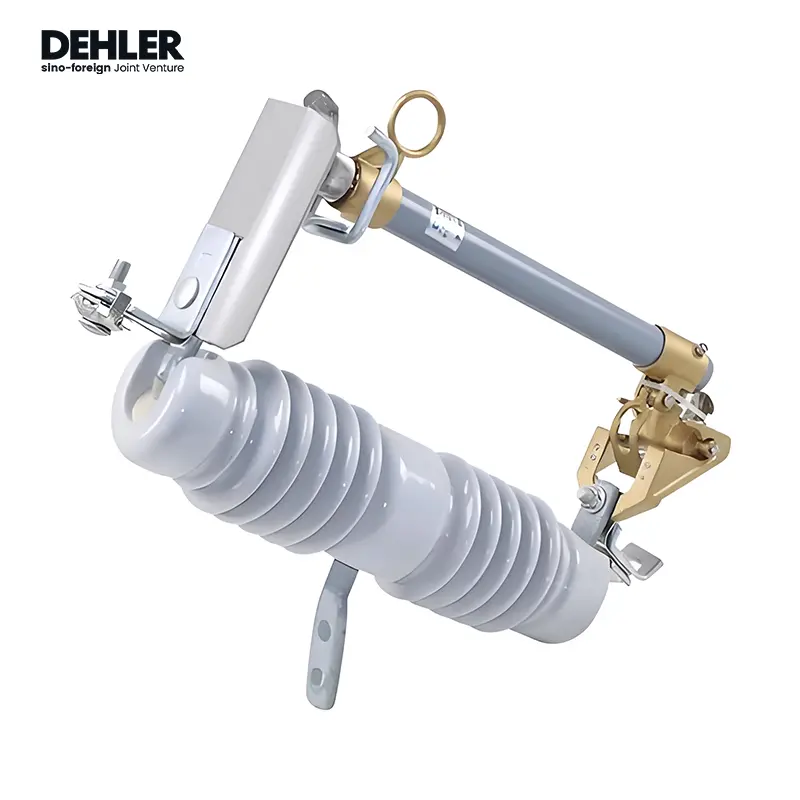
Drop-out fuse is a core protective component for high-voltage power systems, widely used in scenarios requiring reliable over-current protection and convenient maintenance.
Installed in overhead lines of urban residential areas and rural power grids to protect branch circuits. It quickly cuts off fault sections during short circuits to ensure stable power supply.
Paired with distribution transformers as a primary side protection device. It prevents transformer burn-out during overload or internal faults, significantly reducing maintenance losses.
Used in industrial parks and commercial complexes to isolate faulty equipment without affecting normal operations, improving overall power reliability.
Deployed in auxiliary power circuits within medium and small substations to provide short-circuit and over-current protection for control and lighting systems.
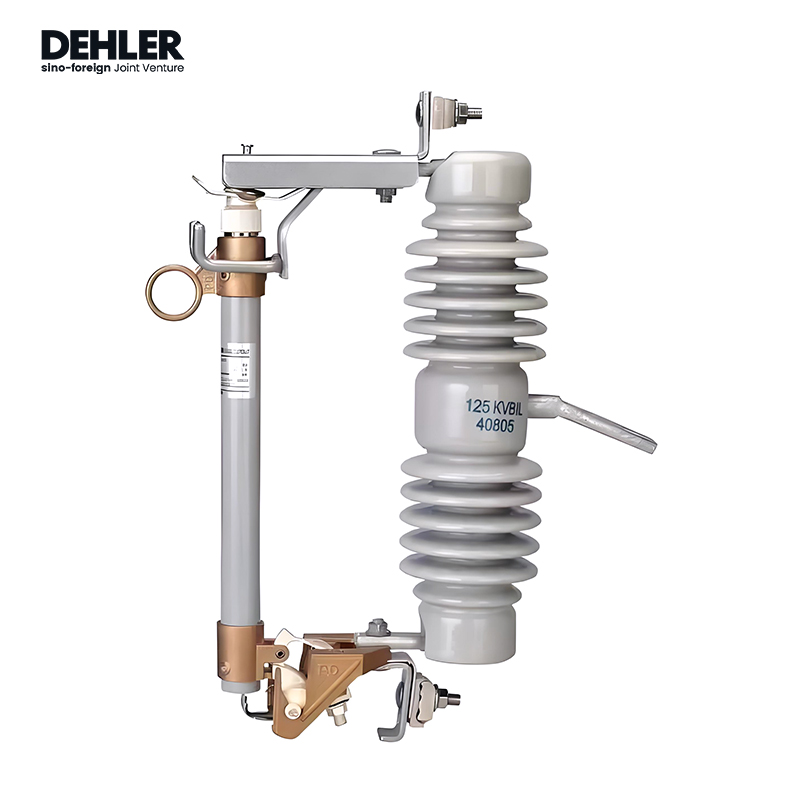
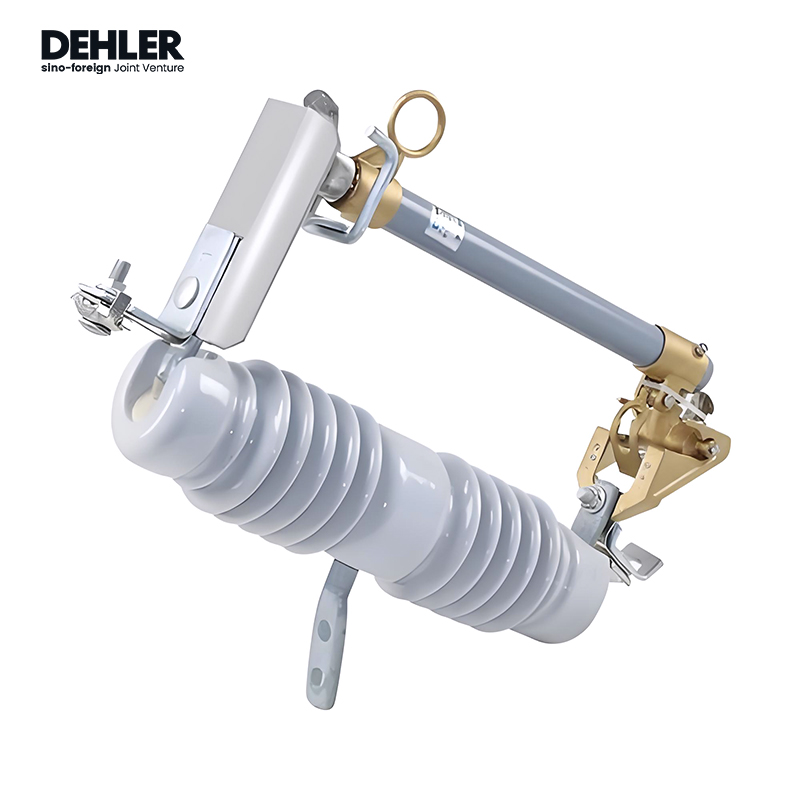
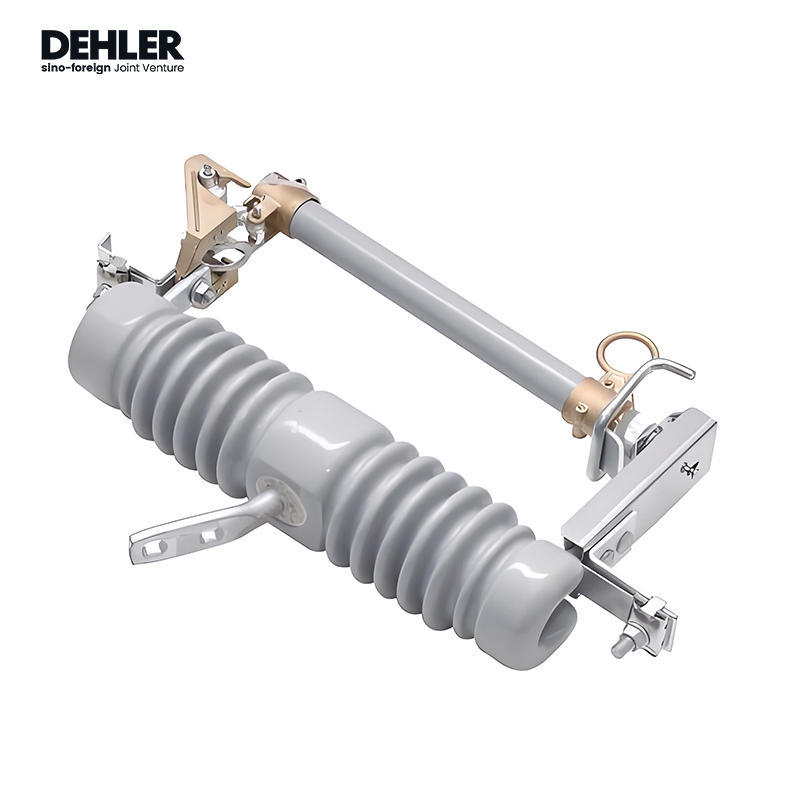
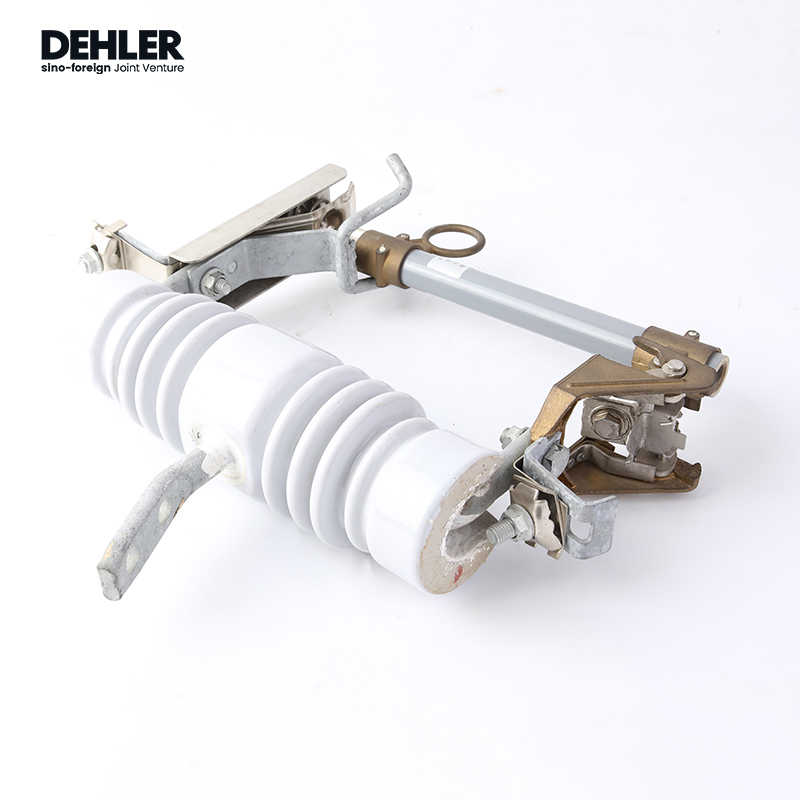
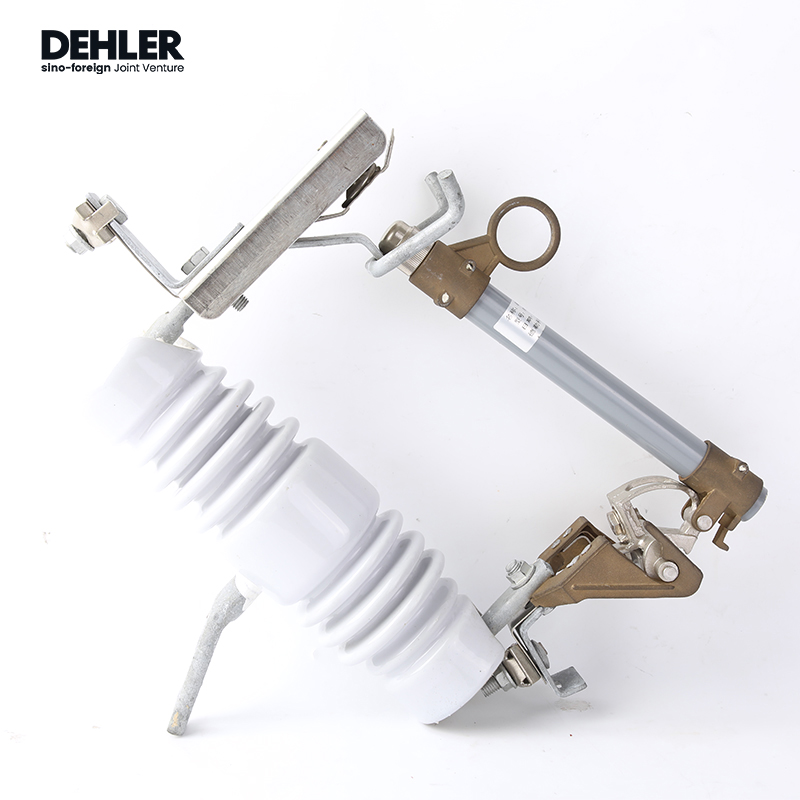
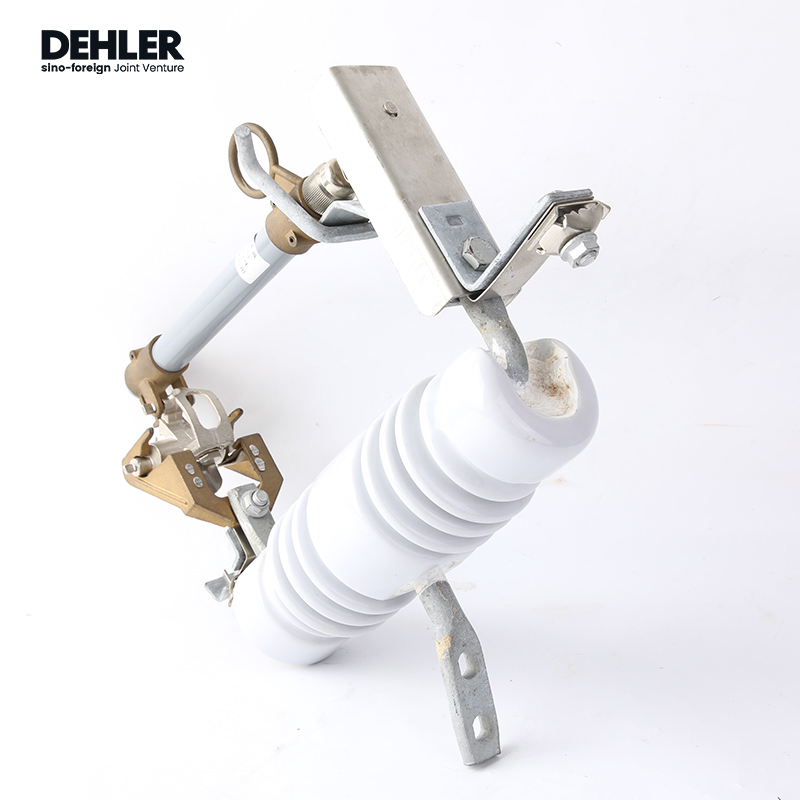
The primary function is to provide short-circuit and over-current protection for high-voltage power systems and transformers by physically disconnecting the circuit when a fault occurs.
It is named "drop-out" because the fuse tube physically drops down from its upper contact after the fuse element melts, providing a clear visual indication that the circuit has been interrupted.
They are commonly installed on the high-voltage side of distribution transformers and on the branch lines of overhead power distribution networks.
The drop-out action provides an obvious visual signal of a fault, allowing maintenance crews to quickly locate the problem. It also allows for easy manual disconnection using an insulated hook rod.
Yes, they are designed with high-quality ceramic or polymer insulators and weather-resistant metallic components specifically to withstand rain, UV exposure, and temperature fluctuations.
Drop-out fuses are generally used in medium to high-voltage systems, typically ranging from 10kV to 36kV, depending on the specific grid requirements.