 Dehler
Dehler
Dehler
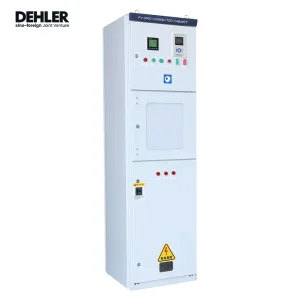
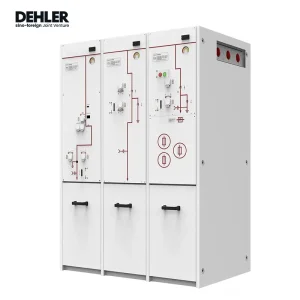
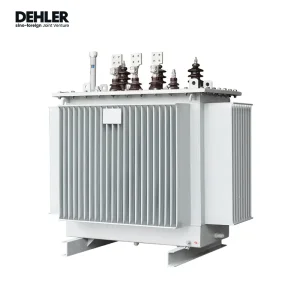
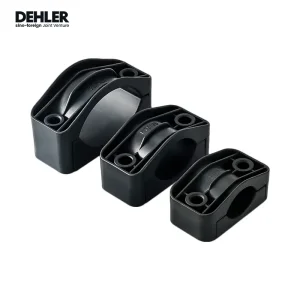
Engineered to work seamlessly with modern lightning protection networks. These distribution panels, transformers, switchgears, and component solutions ensure complete overvoltage suppression.
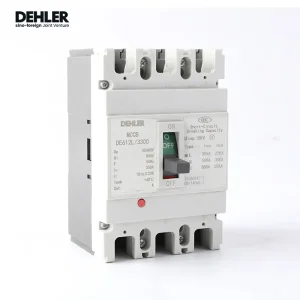
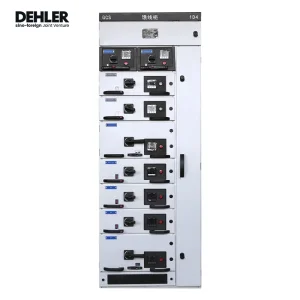
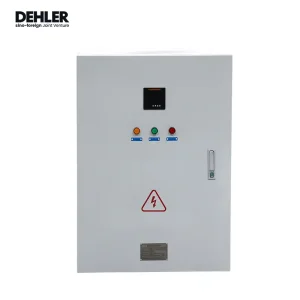
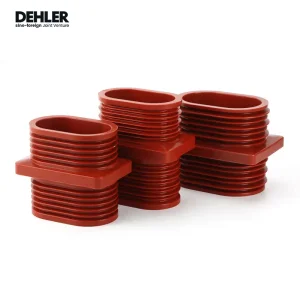
How Global Energy Transitions and Smart Grid Requirements Drive Next-Generation Surge Protection Engineering.
Traditional gapless Metal Oxide Surge Arresters (MOSAs) are shifting towards smart systems with built-in leakage current sensors. Real-time diagnostic data evaluates resistive leakage current ($I_r$), anticipating degradation before failures occur.
Porcelain is increasingly replaced by High-Temperature Vulcanized (HTV) silicone rubber housing. This material delivers excellent hydrophobic recovery, high tracking resistance, and prevents explosion-related shrapnel damage.
The rise of High Voltage Direct Current (HVDC) transmission lines demands arresters with massive energy handling capacity ($E$). These systems mitigate switching transients across high-capacity converters and DC filtering schemes.
In modern electrical engineering, the lightning arrester system serves as the definitive shield safeguarding utility substations, critical rail networks, and renewable installations. As climate change increases both the frequency and intensity of lightning discharges globally, systems designed 20 years ago are finding themselves vulnerable. Modern designs prioritize zinc-oxide (ZnO) varistor discs characterized by a highly non-linear voltage-current relationship. This guarantees near-instantaneous transition from a high-impedance state to a high-conduction path, clamping overvoltage spikes within microseconds and routing transient energy directly to ground loops.
Furthermore, standardizing agencies like the IEC and IEEE have updated regulations. Standards such as IEC 60099-4 require modern arresters to exhibit higher thermal stability margins under continuous operating voltages. With the introduction of distributed energy resources (DERs) such as wind farms and solar plants, protection equipment must contend not only with external lightning strokes but also internal resonance transients generated by switching converters. Consequently, modern Chinese manufacturing has adapted to supply dual-rated arresters designed for both transient classifications.
Deciphering technical compliance parameters, mechanical load demands, and test certificates crucial for high-voltage tenders.
Industrial procurement departments negotiating utility, infrastructure, and heavy-industry projects enforce stringent evaluation checklists. The primary objective is ensuring system longevity (typically over 30 years) under extreme outdoor conditions. Key compliance and validation points include:
Arrester equipment must bear type-test certifications from recognized testing houses such as KEMA, CESI, or CEPRI. Procurement specs strictly follow the guidelines of:
Procuring entities require detailed engineering parameters matching structural insulation coordination diagrams. Manufacturers must provide specific tolerances for:
The mechanical structural design varies significantly depending on local geography. For instance, projects situated in industrial or coastal zones specify high creepage distances (ranging from 31mm/kV and above) to counteract salt deposition, conductive dust, and tracking. Additionally, high-seismic zones demand high mechanical cantilever strength (specified short-term and long-term mechanical load values, SSL and SML) to withstand severe earthquakes and wind loadings.
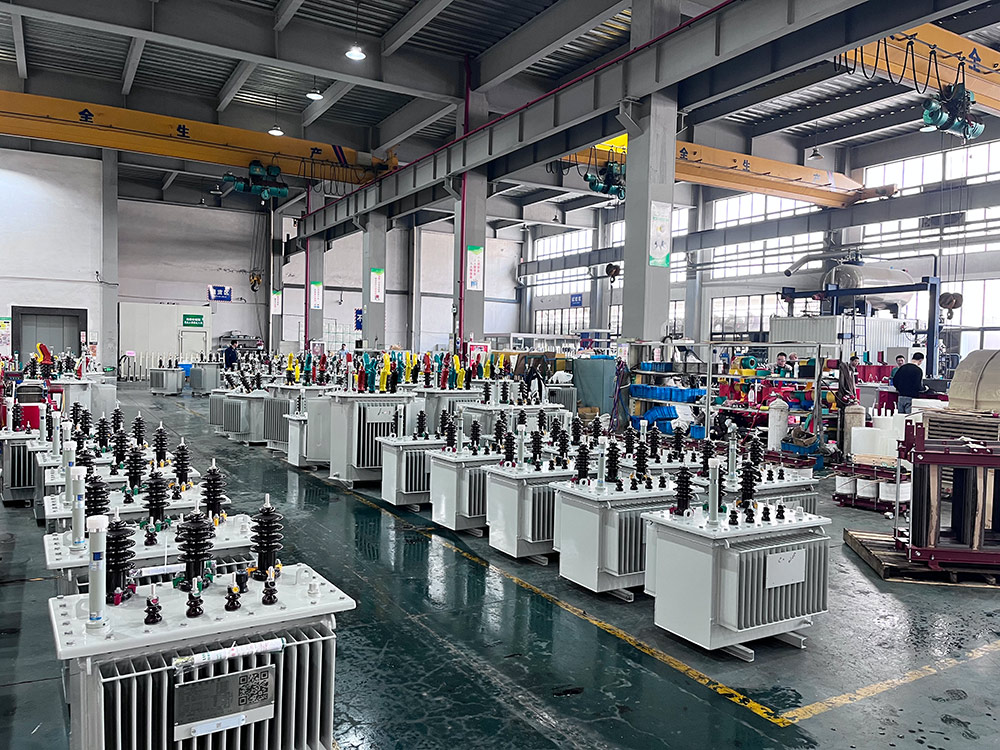
The modern Chinese electrical manufacturing landscape has shifted from basic assembly to fully integrated Industry 4.0 factories. At Yueqing—the world-renowned capital of electrical engineering—manufacturing operations utilize automated raw material formulation, precision sintering, and digital testing loops to deliver unmatched consistency.
By vertically integrating raw materials (such as high-purity zinc oxide powder) with advanced insulation molding, Chinese exporters minimize lead times while keeping prices highly competitive. Robust local supply networks ensure that high-voltage transformers, switchgears, and lightning protection systems are built with unified quality controls.
From an operational standpoint, Factory 4.0 integration mitigates the structural risks typically associated with manufacturing. In the production of Metal Oxide Varistors (MOVs), precision temperature profiles during the sintering process are critical. Even a fluctuation of 5°C can cause microscopic non-uniformities in the zinc-oxide grain boundaries, leading to localized electrical stress and premature thermal runaway. Advanced Chinese manufacturing lines utilize closed-loop, sensor-monitored kiln systems to guarantee uniform microstructures.
Furthermore, automated test systems subject 100% of finished varistor disks to lightning impulse test currents ($8/20 \mu s$), power-frequency testing, and leakage current measurements. The resulting test logs are compiled digitally, giving procurement agents complete quality traceability. This degree of automation guarantees that bulk orders arrive with uniform tolerances, maintaining identical insulation profiles across entire power line configurations.
Aligning advanced surge arrester characteristics to specific environmental and grid operating conditions.
Scenario: Protection of critical transformers and GIS (Gas Insulated Switchgears) against lightning and switching surges.
Solution: Heavy-duty station class polymeric or porcelain surge arresters installed at lines entry points.
Scenario: High altitude, widely distributed arrays exposed to severe lightning conditions and high switching transients.
Solution: DC surge protection devices (SPDs) and specialized line surge arresters (LSAs) for collectors.
Scenario: Protection of overhead traction lines, locomotives, and sub-stations subject to vibration and dynamic stress.
Solution: Specialized mechanical-strength polymeric arresters matching AAR/EN standards.
Across utility lines, the requirement profiles change significantly. For instance, in heavy industry complexes like aluminum smelters or chemical processing plants, switching large motors or furnaces creates significant internal voltage transients. Here, lightning arresters must offer superior thermal capabilities to handle energy-rich switching overvoltages without degrading. Conversely, in remote wind energy farms, the challenge lies in accessibility; remote monitoring systems allow operations teams to track the aging of ground-connection systems and the arrester itself via wireless telemetry, reducing unplanned downtime.
Dehler Technology Co., Ltd., established in 2016, is located at No. 271, Weishiqi Road, Yanpan Economic Development Zone, Wenzhou (Yueqing City). In addition, our specialized complete electrical equipment transformer division operates from No. 178, Jingba Road, Economic Development Zone.
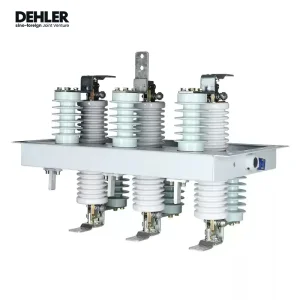
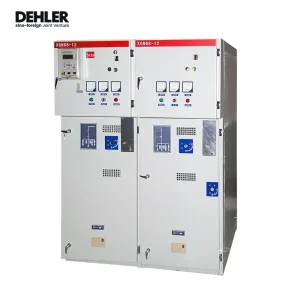
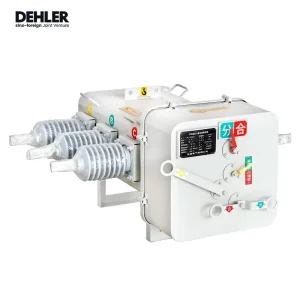
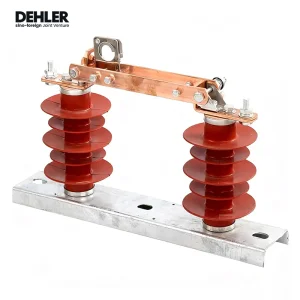
As a modern technology enterprise integrating R&D, manufacturing, sales, and service, we specialize in high and low voltage power equipment. Our comprehensive production lineup includes high & low voltage switchgear, prefabricated substations, cable branch cabinets, indoor & outdoor vacuum circuit breakers, disconnectors, earthing switches, load switches, and various critical electrical components designed to interface seamlessly with modern lightning arrester systems.
Over the years, our company has diversified its product offerings and upgraded its service levels, earning international acclaim. By leveraging a systematic, standardized quality management system as our foundation, we strictly adhere to national and international quality systems to build global confidence.
"High-quality products, superior technology, and impeccable service" represent the core goals pursued by Dehler. Facing the opportunities and challenges of the international industrial electrical market, we have developed a scalable, systematic production model designed to meet fast-tracked project timelines.
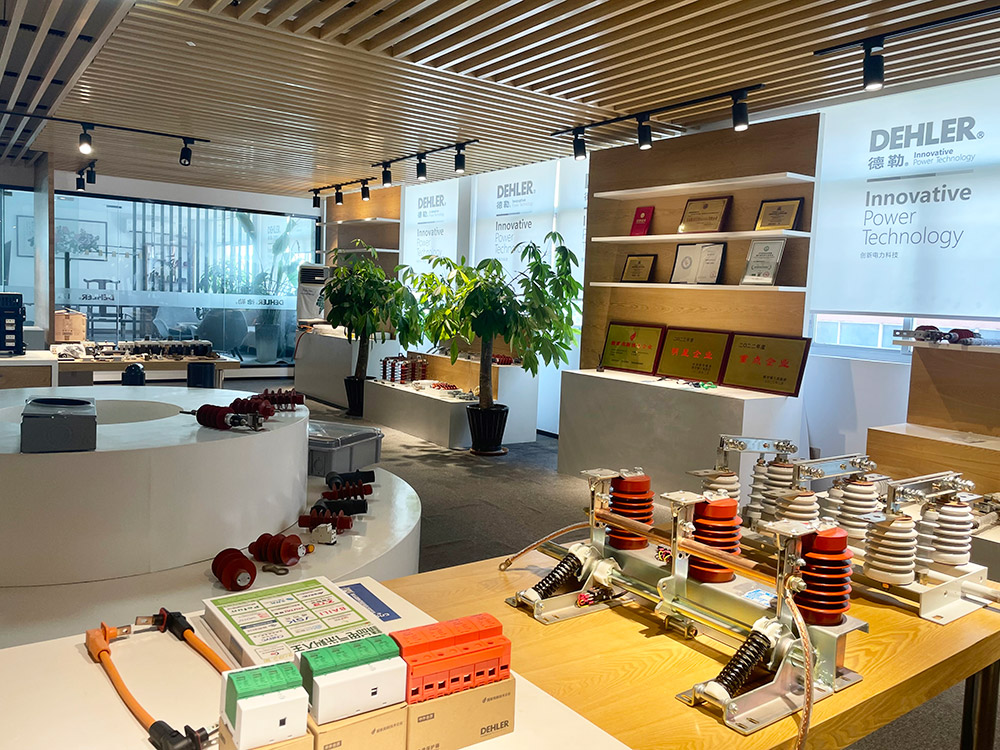
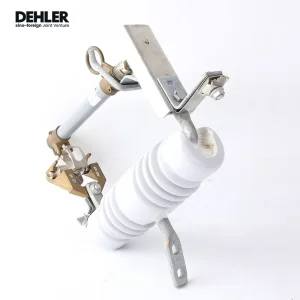
A direct view of the high-performance switchgear contacts, vacuum breakers, and post insulators supporting modern electrical infrastructures.
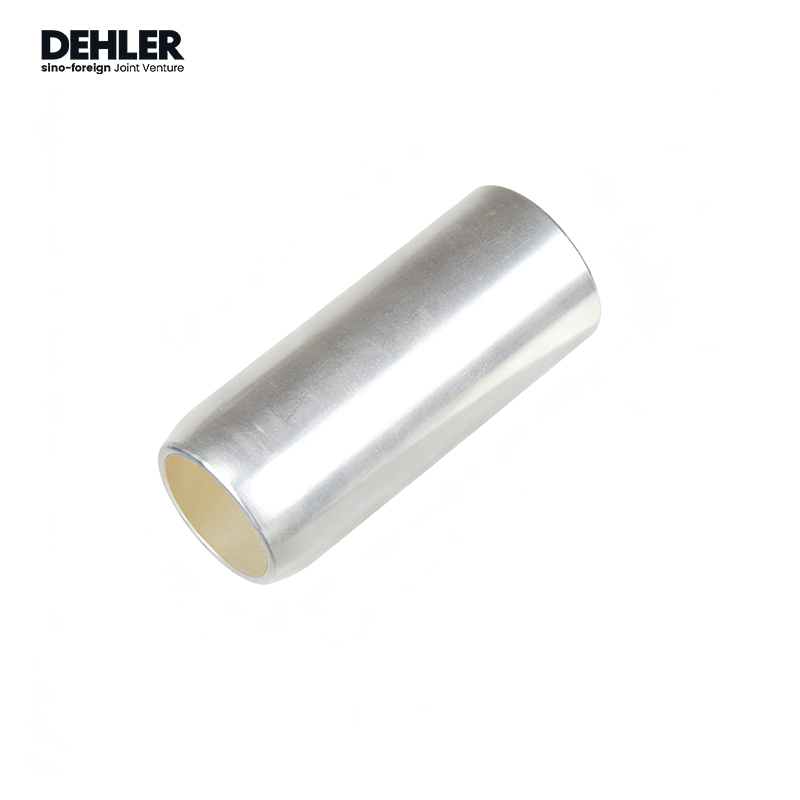
Key component in high-voltage switchgear setups, ensuring robust conductivity.
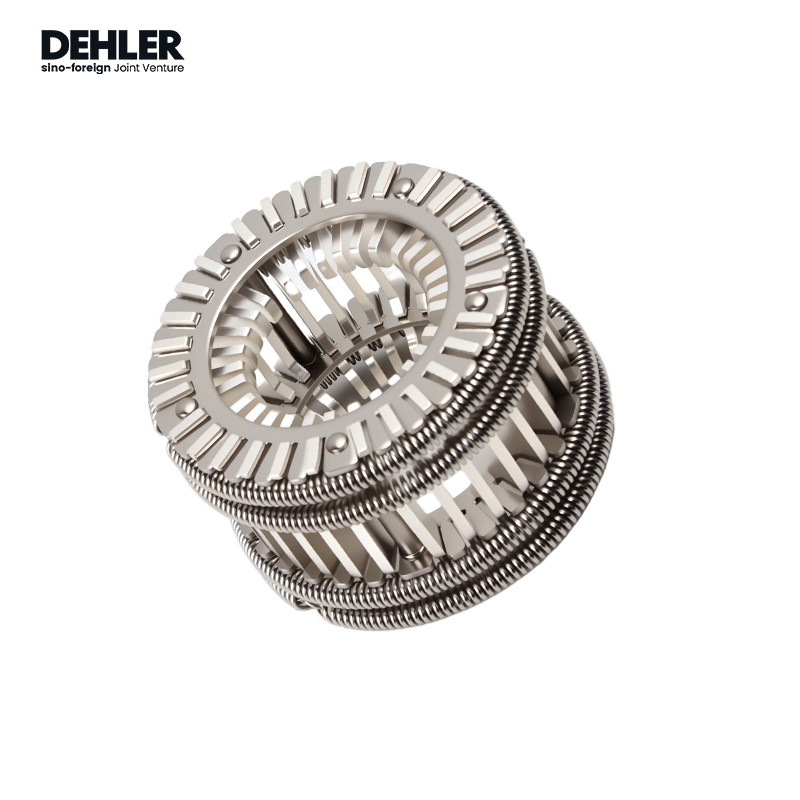
Critical conductive contacts designed for circuit breaker assemblies.
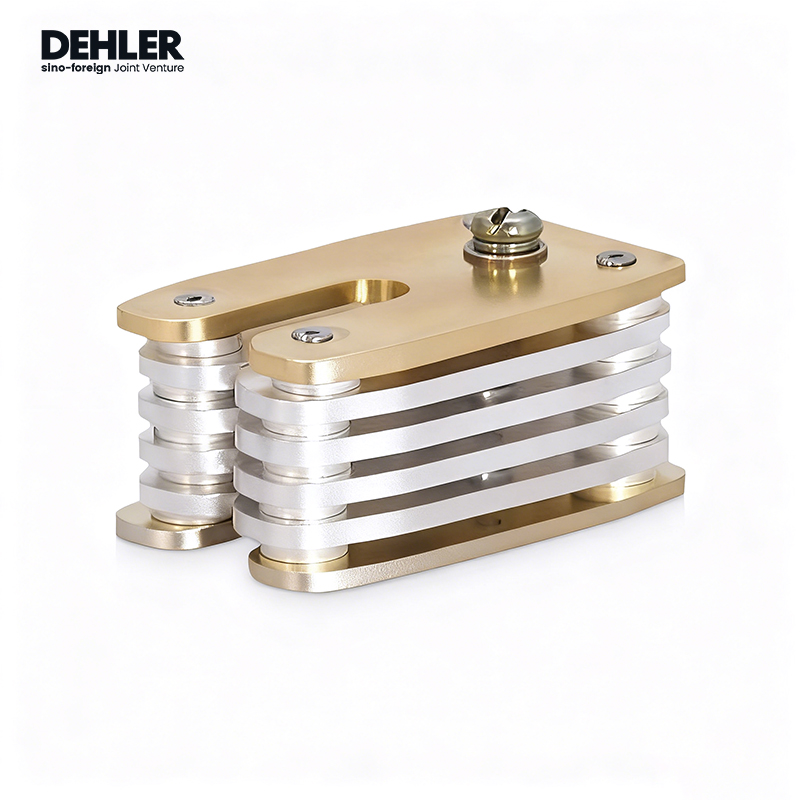
Core contact components engineered for medium and high voltage switchgears.
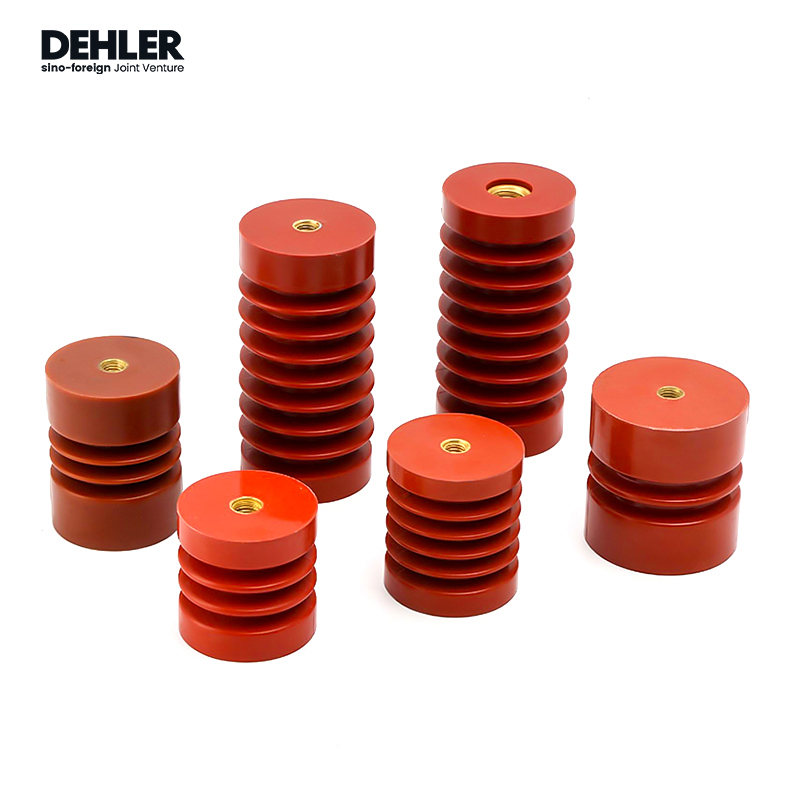
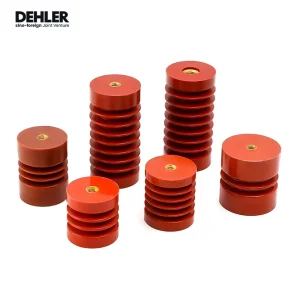
Special insulating components engineered for power systems stability.
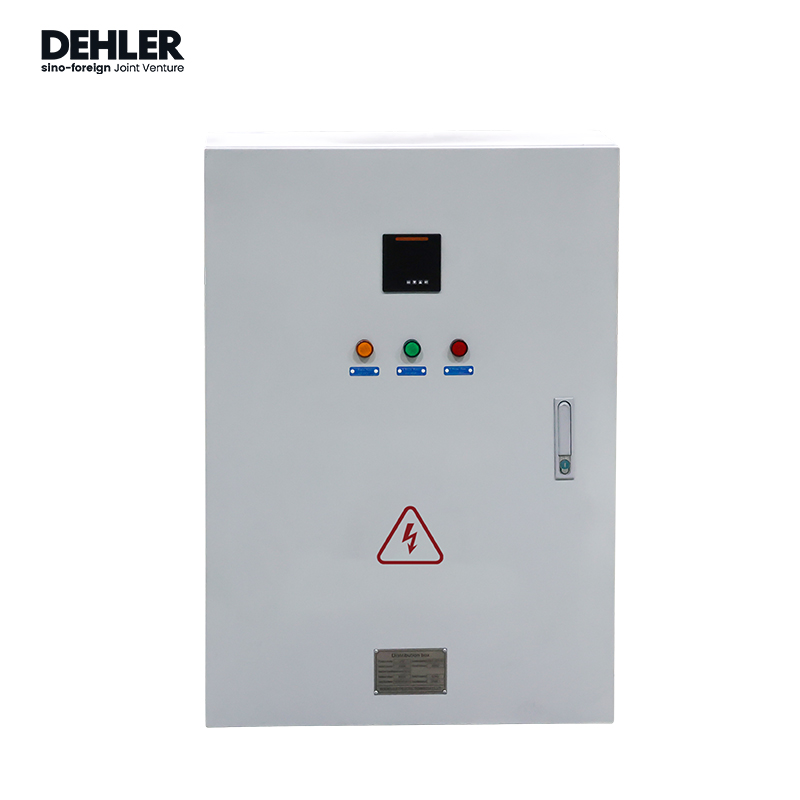
Robust distribution panel built for commercial, industrial settings.
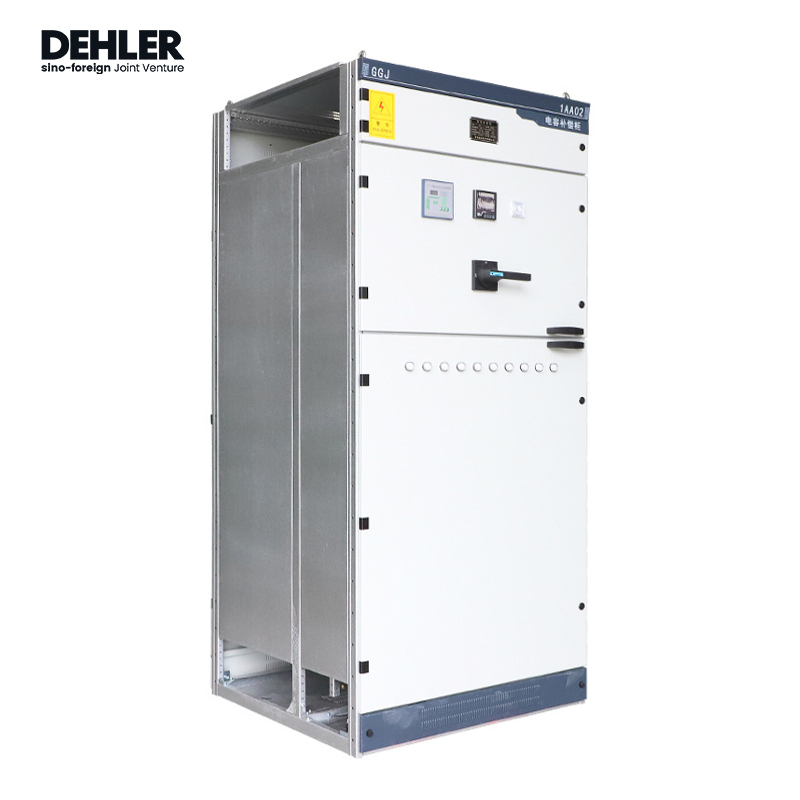
Automatic power factor correction cabinets designed to optimize energy loss.
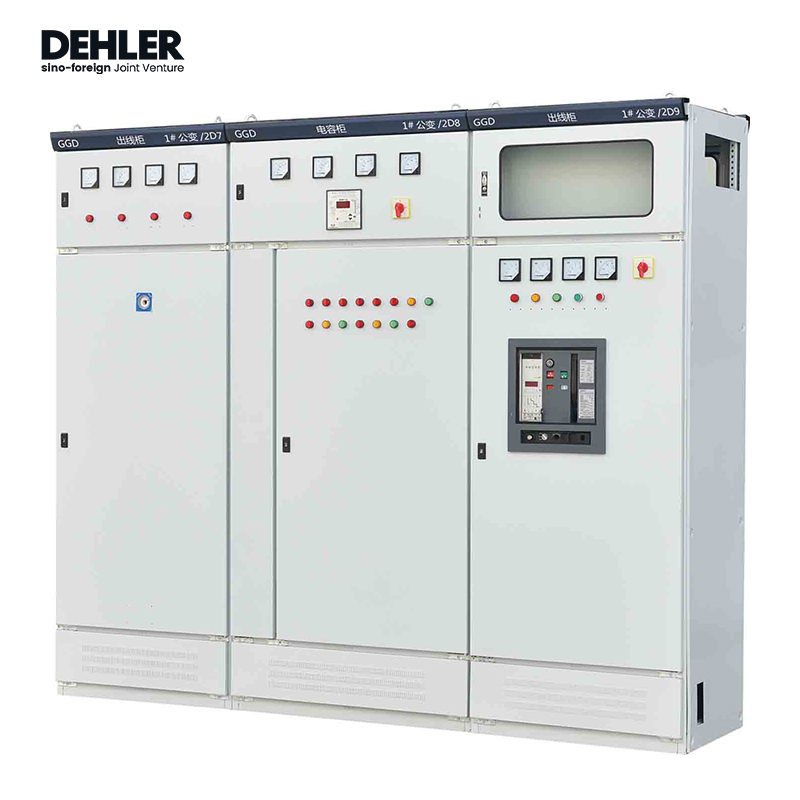
Reliable fixed switchgear panel configuration for substation distribution.
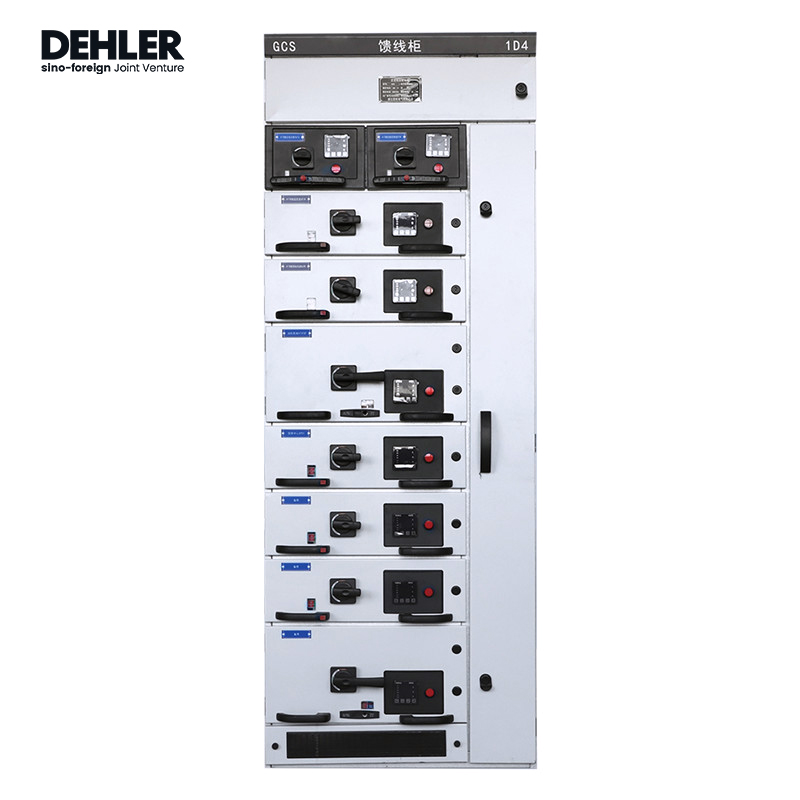
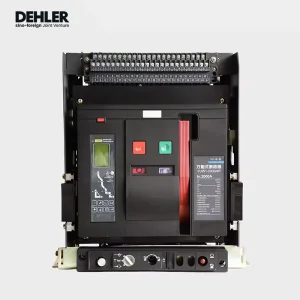
Withdrawable cabinet designed for industrial distribution and motor control centers.
Technical clarifications on system design, sizing, mechanical attributes, and international standards.
Collaborating with global power utilities, major switchgear factories, and distributors to build reliable energy infrastructures.











Complete your high-voltage grid layouts with our internationally tested circuit protection equipment, isolating switches, and insulation components.