
Dehler Dehler

High-Quality HV Post Insulators for Power Systems Manufacturer, Supplier

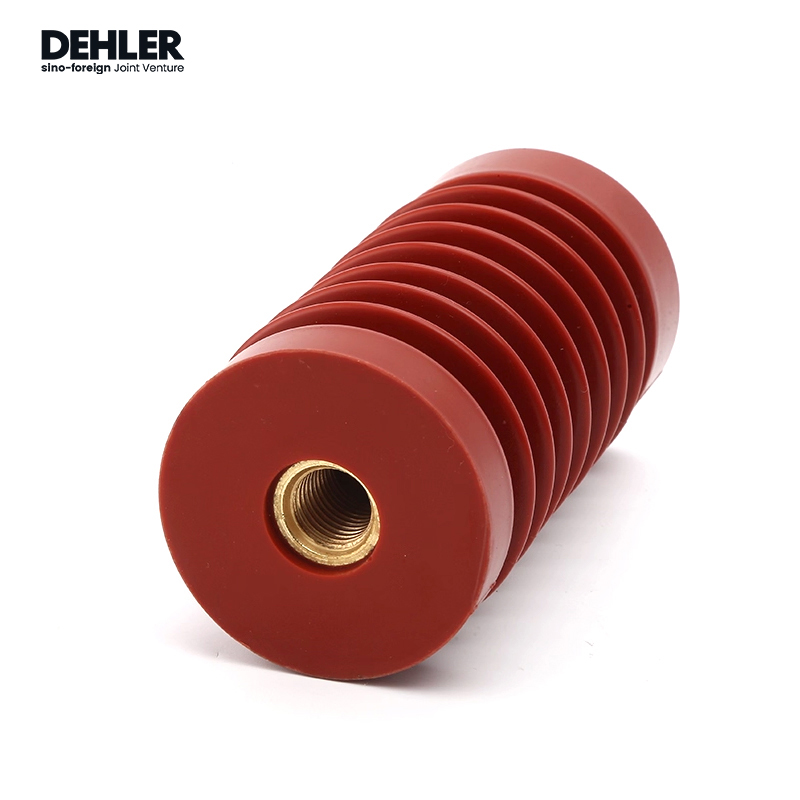
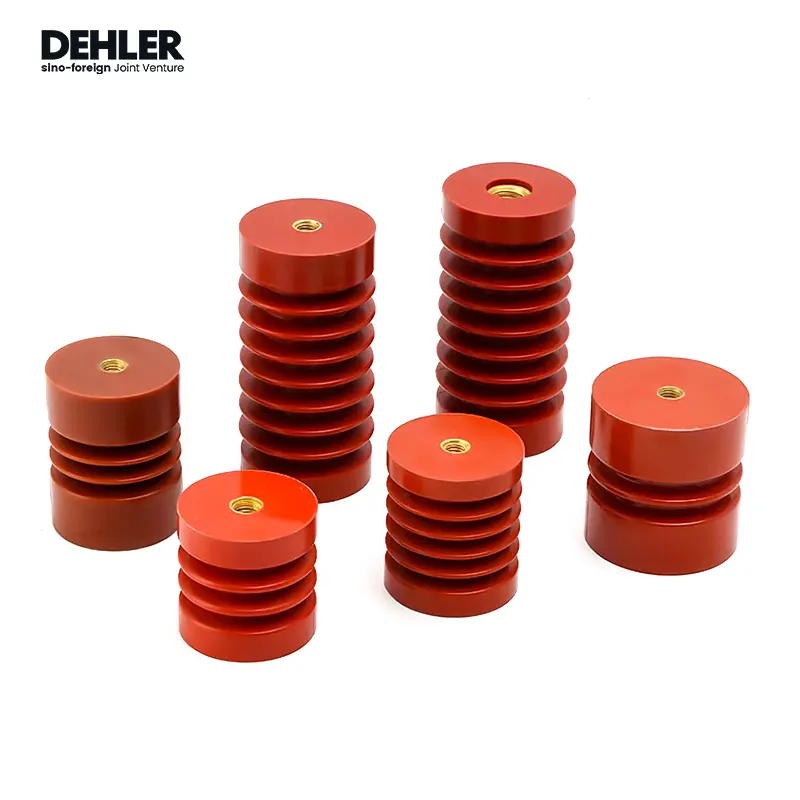
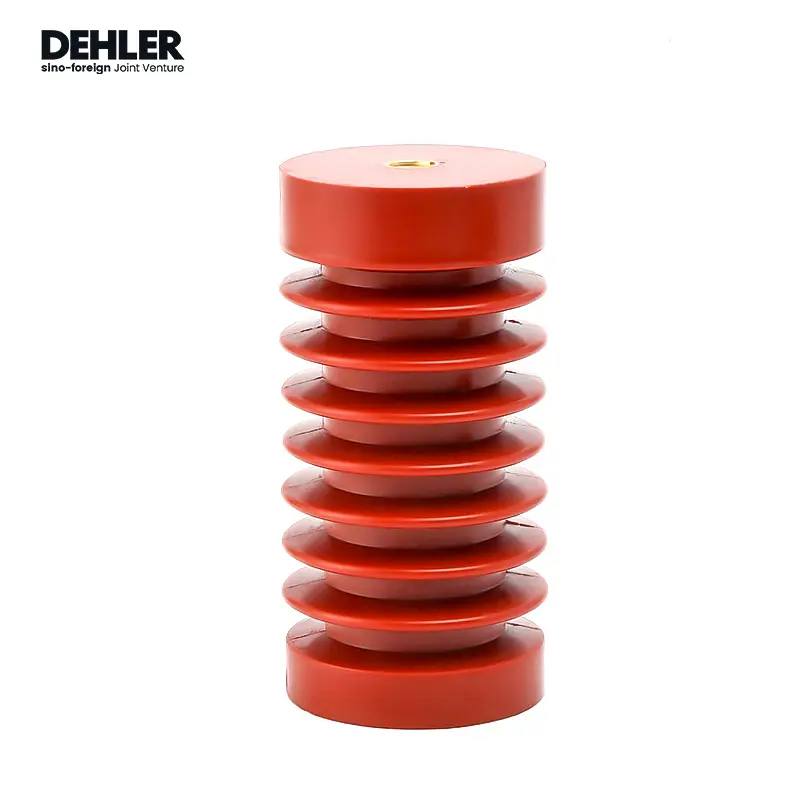
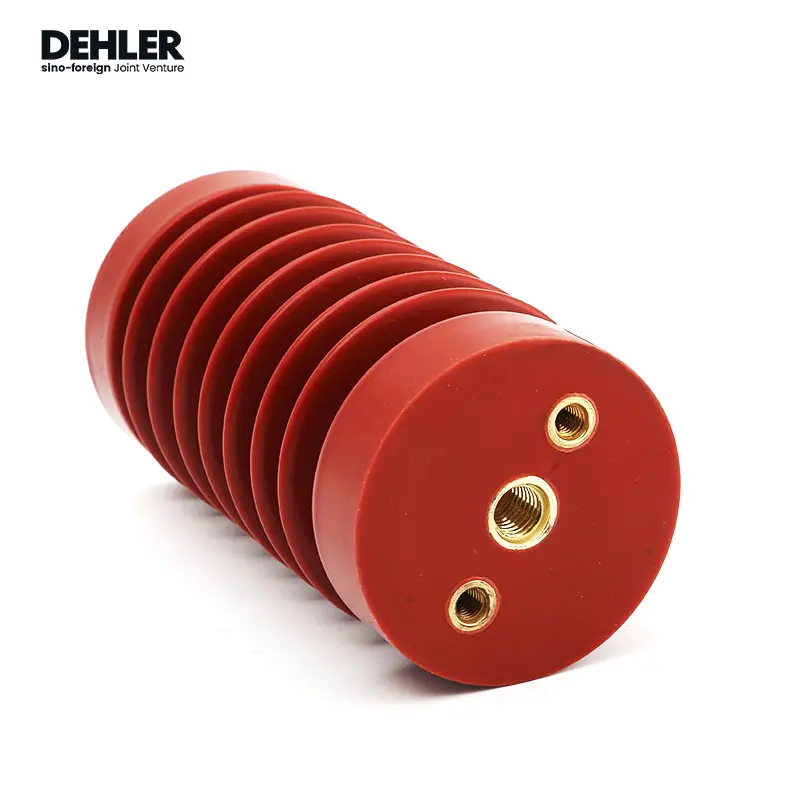
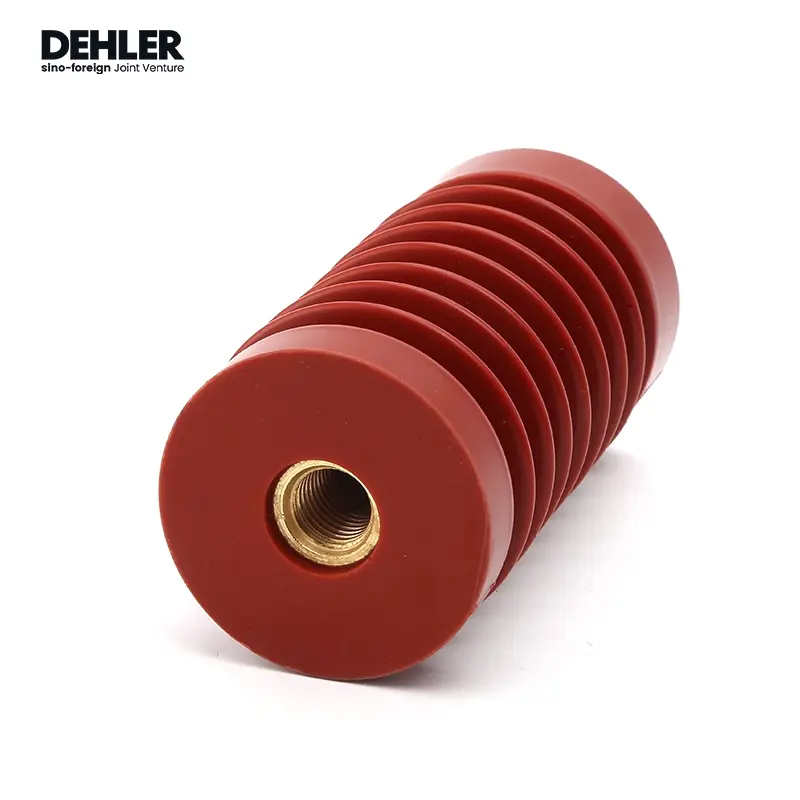
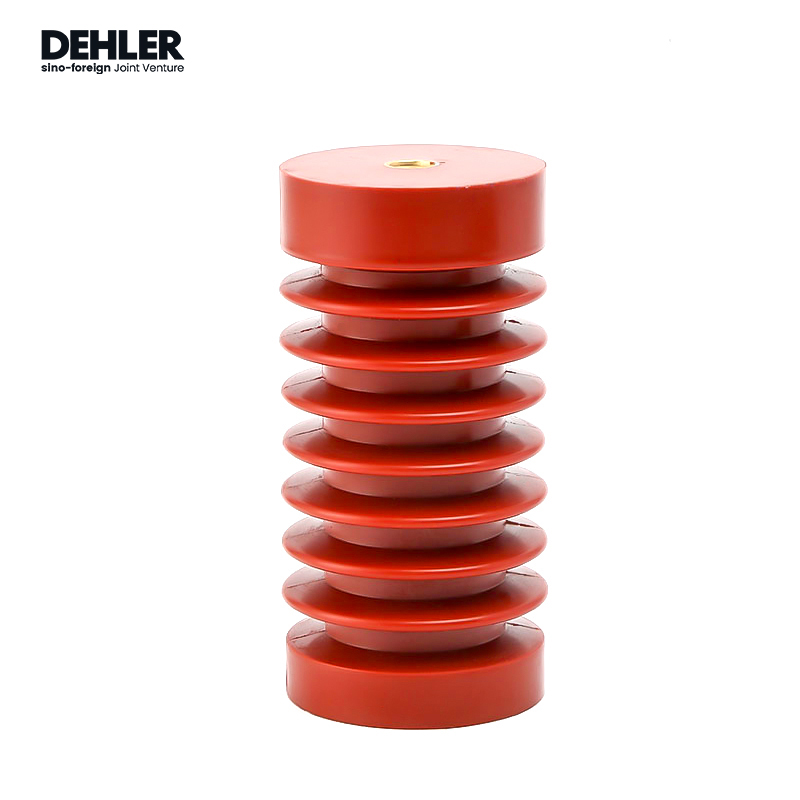
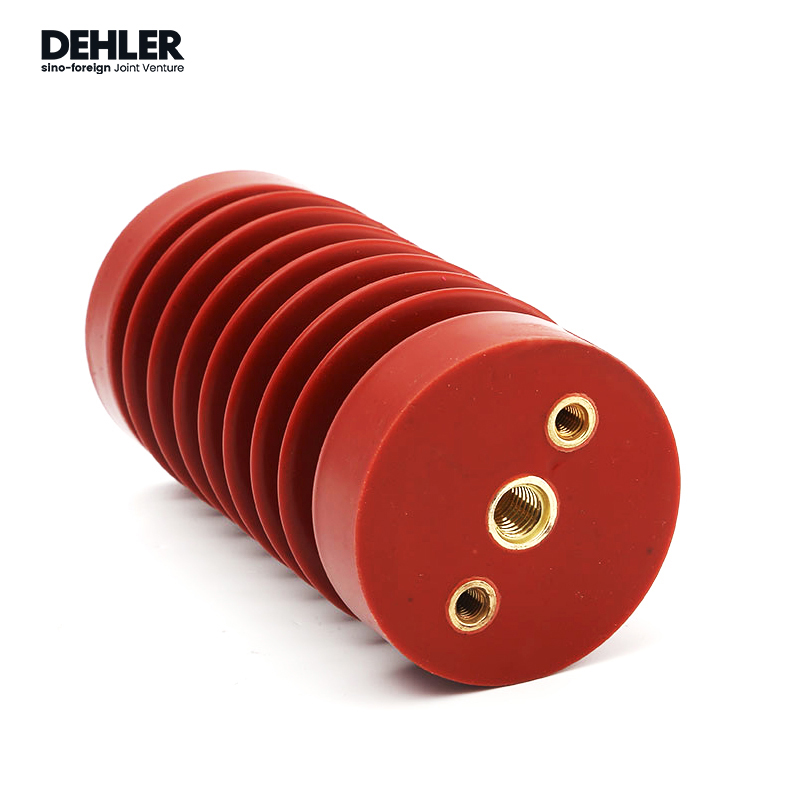
High-voltage post insulators are special insulating components used in power systems. Their main function is to support live conductors and insulate them from the ground or other conductors with potential differences. They can withstand mechanical loads, prevent current leakage, and ensure the safe and stable operation of the power system. Post insulators are made of ceramic, tempered glass, or composite materials and are installed in transmission lines, substations, and electrical equipment to ensure the insulation and mechanical fixation of conductors.

Product Description

Main Functions

Supporting conductors: In overhead transmission lines, post insulators bear the weight of the conductors.

Preventing current back to ground: Ensuring that live conductors do not experience current back to the ground, protecting system safety.

Isolation: In substations and electrical equipment, used to support and isolate conductive parts, preventing electrical faults.

Structural Features

Material: Typically made of ceramic, glass, or composite materials, sometimes combined with metal accessories (such as steel feet and iron caps).

Non-Penetrating Performance: Most post insulators employ a "non-penetrating" design, meaning the external flashover distance and the insulation capacity of the internal through-path are almost equal. In the event of a fault, only external flashover will occur, without leading to breakdown of the internal dielectric.

Advantages of Composite Materials: Composite post insulators offer advantages such as light weight, strong shock resistance, and excellent resistance to pollution flashover.
Application Scenarios

Essential in 110kV-500kV high-voltage substations, supporting busbars and conductors in indoor/outdoor distribution equipment.
Used in high-voltage switchgear, isolating switches, and circuit breakers to provide insulation and mechanical support for live parts.
Applied in power transmission lines of industrial plants (steel, chemical), power stations, and renewable energy facilities (wind, solar farms).
Ideal for urban power grids and coastal areas, where resistance to humidity, salt spray, and industrial pollution is critical.
Integrated into specialized high-voltage systems for railways, metros, and mining, ensuring safe power distribution in harsh operational conditions.

Product Display

High-Voltage Post Insulators
Frequently Asked Questions
Q1: What materials are post insulators commonly made of?
A: Post insulators are typically manufactured from high-quality ceramic (porcelain), glass, or composite materials, often reinforced with metal fittings for mechanical strength.
Q2: What is the benefit of a "non-penetrating" design?
A: This design ensures that in case of an electrical fault, flashover occurs only on the external surface rather than breaking through the internal dielectric, preventing permanent damage to the insulator.
Q3: At what voltage levels are these insulators used?
A: They are essential components in high-voltage environments, commonly applied in substations ranging from 110kV to 500kV.
Q4: Why are composite post insulators used in polluted areas?
A: Composite materials offer superior resistance to pollution flashover, salt spray, and humidity, making them ideal for coastal and industrial environments.
Q5: Can post insulators withstand mechanical stress?
A: Yes, they are specifically designed to provide high mechanical support and bear the weight of heavy conductors and busbars in transmission systems.
Q6: In which industries are these insulators most applicable?
A: They are widely used in power utilities, industrial plants (chemical and steel), renewable energy farms, and specialized transport systems like railways and metros.

Related Products