 Dehler
Dehler
Dehler

In the evolving landscape of electrical engineering, the Undervoltage Trip (UVT) Molded Case Circuit Breaker (MCCB) stands as a critical guardian against systemic instability. Unlike standard circuit breakers, an MCCB equipped with an undervoltage release mechanism ensures that a circuit is automatically disconnected when the supply voltage drops significantly—typically between 35% and 70% of the rated voltage.
At Dehler Technology Co., Ltd., we recognize that "Information Gain" in the manufacturing sector is driven by technical precision. Our UVT MCCBs are engineered to prevent motor burnout, phase failure damage, and hazardous automatic restarts after a power failure, providing a foundational layer of safety for high-stakes industrial environments.
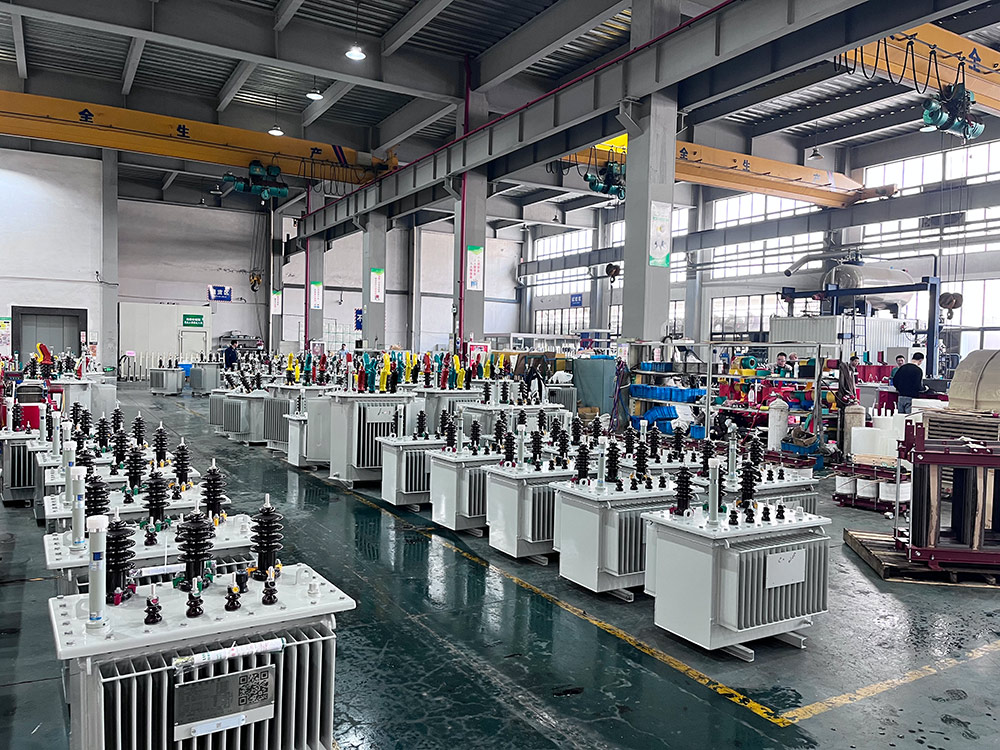
Established in 2016, Dehler Technology operates major manufacturing hubs at No. 271 Weishiqi Road and No. 178 Jingba Road in Yueqing City. Our facility is a beacon of high-end power equipment R&D.
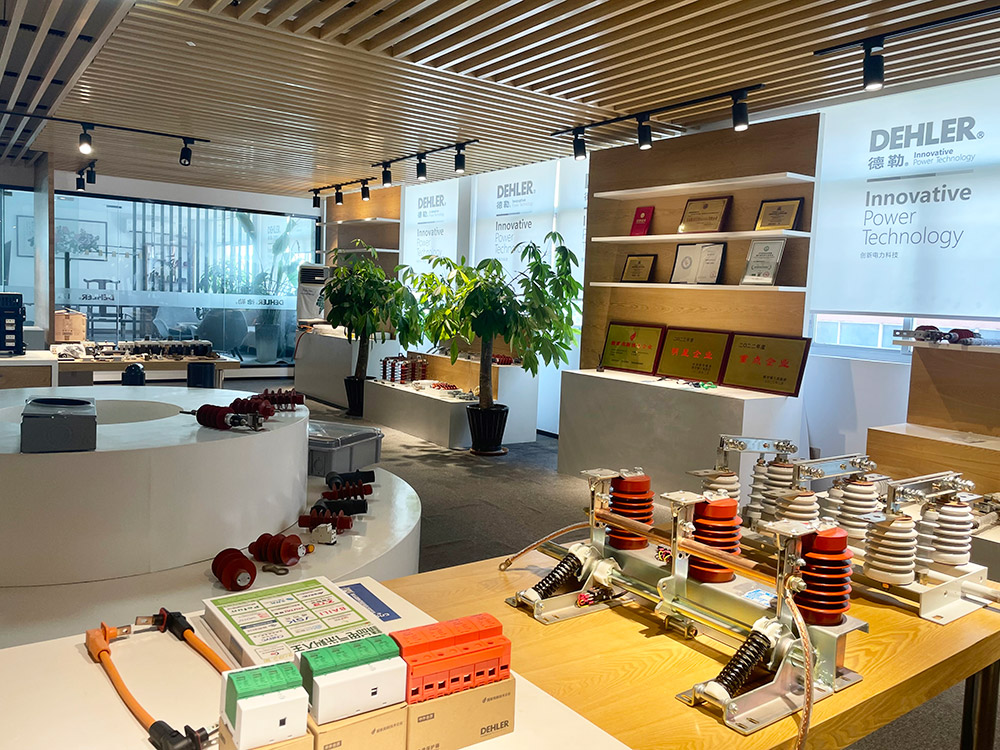
Integrating R&D, production, and sales, we specialize in high & low voltage switchgear, prefabricated substations, and vacuum circuit breakers. Our engineering team focuses on energy-saving and environmentally friendly intelligent distribution.
From steel mills and coal mining to wind power and shipbuilding, our business network covers critical infrastructure globally, ensuring precise and reliable power management across diverse sectors.
The future of UVT MCCBs lies in "Smart Sensing." We are developing next-gen breakers with embedded IoT modules that transmit real-time voltage fluctuation data to cloud-based monitoring systems for predictive maintenance.
Transitioning from traditional thermal-magnetic trips to electronic trip units (ETUs). This provides higher accuracy, adjustable trip settings, and better resilience against harmonic distortion in the power supply.
Our R&D focuses on increasing the breaking capacity while reducing the physical footprint. This allows for higher density in switchgear cabinets, optimizing space in offshore wind platforms and compact urban substations.
Dehler Technology provides holistic solutions tailored to the unique rigors of various global industries. Our Undervoltage Trip MCCBs are the backbone of system-wide safety.
Managing the volatility of renewable feeds requires robust UVT mechanisms to protect converters and transformers from low-voltage ride-through (LVRT) events.
In deep mining and steel mills, sudden voltage drops can cause catastrophic equipment failure. Our MCCBs provide instantaneous isolation to prevent motor damage.
Marine environments require salt-spray resistant, vibration-proof breakers. Our MCCBs are tested to meet rigorous maritime electrical standards for global vessel safety.
Our manufacturing philosophy is rooted in the "Industry 4.0" framework. By leveraging automated assembly lines and digital twin technology, Dehler Technology ensures that every Undervoltage Trip MCCB is produced with absolute consistency.
We understand that global enterprises require more than just a product. We provide:
Tailored trip voltage ranges (e.g., specific 110V/220V/400V requirements) and custom enclosure ratings (IP54/IP65) for harsh environments.
With our systematic large-scale production model, we offer predictable lead times, crucial for project planning and supply chain stability.
Leveraging China's manufacturing scale without compromising on the high-quality materials required for reliable undervoltage release coils.
Bypass intermediaries. Direct access to Dehler's engineering team ensures that technical specifications are met exactly as requested.
A: A Shunt Trip requires an active electrical signal to trip the breaker. In contrast, an Undervoltage Trip is passive; it trips when the voltage disappears or drops below a threshold. This makes UVT superior for fail-safe protection in the event of a total power loss.
A: Motors running on low voltage experience increased current draw to maintain torque, leading to overheating and insulation failure. The UVT disconnects the power before the voltage drops to dangerous levels, preserving motor longevity.
A: Yes, our high-end models feature auxiliary contacts and alarm switches that can easily integrate into BMS or SCADA systems for remote status monitoring.
A: Periodic testing (annual or bi-annual) to ensure the release coil moves freely and the breaker trips at the calibrated voltage. Our "Factory 4.0" design ensures long-term reliability with minimal mechanical wear.
Collaborating with industry leaders to build a safer electrical world.