 Dehler
Dehler
Dehler
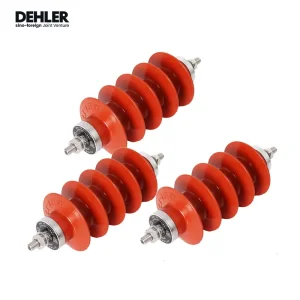
In the modern era of the "Internet of Everything," low-voltage power systems serve as the nervous system of industrial and residential infrastructure. However, these systems are increasingly vulnerable to transient overvoltages—commonly known as surges—caused by lightning strikes or internal switching operations. As a leading low-voltage lightning arrester manufacturer, we recognize that the industry is shifting from basic surge suppression to "intelligent surge management."
Traditional arresters focused solely on the discharge of high energy. Today, with the rise of sensitive electronics in IoT and AI-driven data centers, the requirements for residual voltage (Up) and response speed have become far more stringent. We are witnessing a transition toward Zinc Oxide (ZnO) varistors with higher non-linear coefficients, ensuring that even the most micro-fluctuations do not compromise delicate circuit boards.
Procuring high-quality lightning arresters requires a deep understanding of international standards. Professional buyers no longer look at price alone; they evaluate the Information Gain from a manufacturer's technical roadmap.
Our manufacturing processes strictly adhere to IEC 61643-11 and EN 61643-11. For the North American market, we offer solutions that meet UL 1449 4th Edition, ensuring seamless integration into global projects.
From specific discharge currents (Iimp) to custom alarm signaling (remote dry contacts), we provide OEM/ODM services that cater to unique environmental challenges such as high-altitude power grids or coastal high-humidity zones.
With a 10,000+ sqm factory, we ensure a stable supply of key components like Metal Oxide Varistors (MOV) and Graphite Gaps, mitigating the risk of project delays in large-scale infrastructure developments.
Established in 2016, Dehler Technology Co., Ltd. has rapidly emerged as a powerhouse in the high and low voltage power equipment industry. Based in the Yanpan Economic Development Zone, Yueqing City—the electrical capital of China—our facility integrates R&D, production, and service with a precision-led approach.
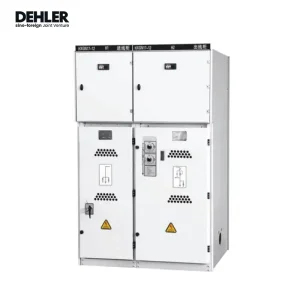
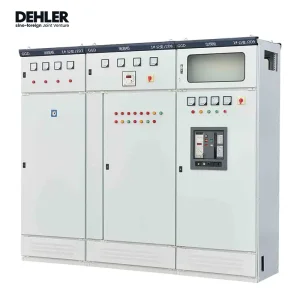
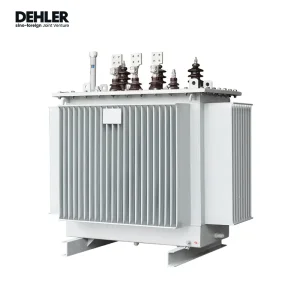
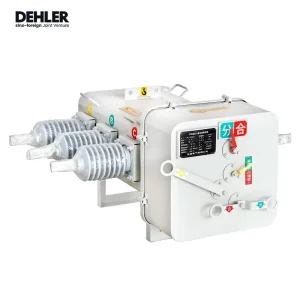
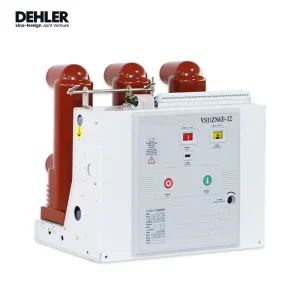
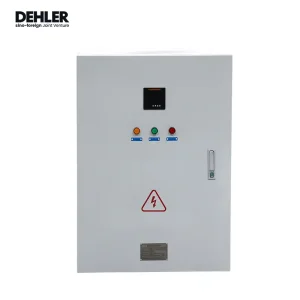
Our expertise spans beyond simple components; we specialize in high & low voltage switchgear, prefabricated substations, and indoor/outdoor vacuum circuit breakers. We operate under the philosophy of "survival through quality, development through technology." This commitment ensures that every lightning arrester leaving our factory is tested against rigorous real-world surge simulations.
Enhancing thermal stability to prevent fire hazards during continuous overvoltage (TOV) events.
Standardizing RS485 and Modbus interfaces for surge counter integration into SCADA systems.
Developing fully recyclable modular arresters to meet global ESG requirements for green energy.
Combining GDT and MOV technologies for zero-leakage current solutions, extending service life.
Our lightning arresters are not just products; they are part of a holistic protection strategy. We provide tailored solutions for:
Dehler understands that global business requires local reliability. We provide:
Localization Support: Installation guides in multiple languages and regional technical seminars.
Compliance Assurance: Every batch undergoes impulse current testing, ensuring that the VPR (Voltage Protection Rating) is verified before shipping.
After-Sales Guarantee: 5-year warranty on premium SPD lines with 24/7 technical consultation.