
Dehler Dehler

Custom High-Voltage Post Insulators for Power Systems - Reliable China Suppliers & Factory Solutions Manufacturers, Companies

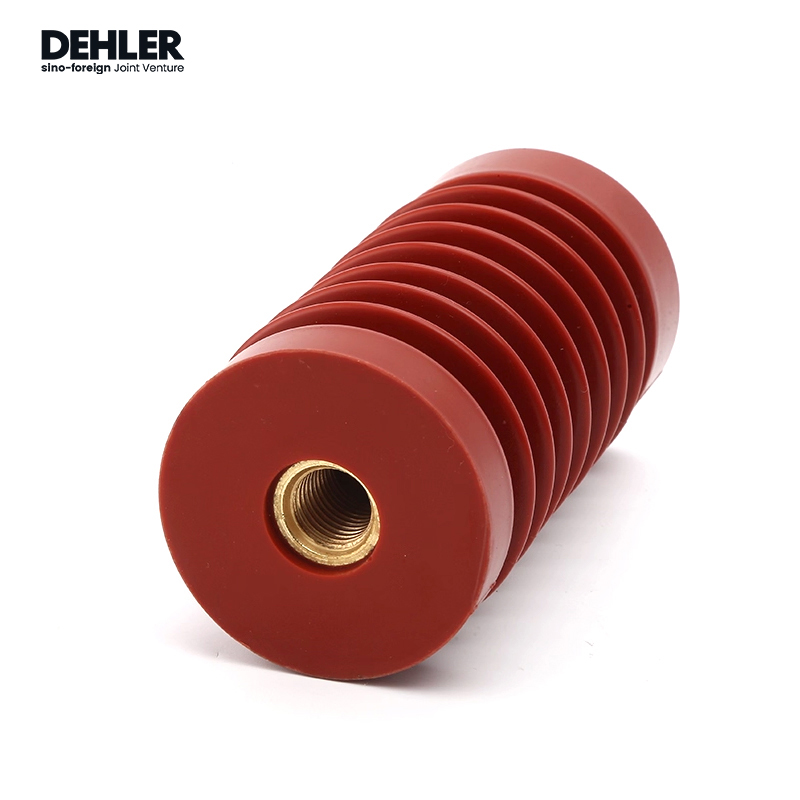
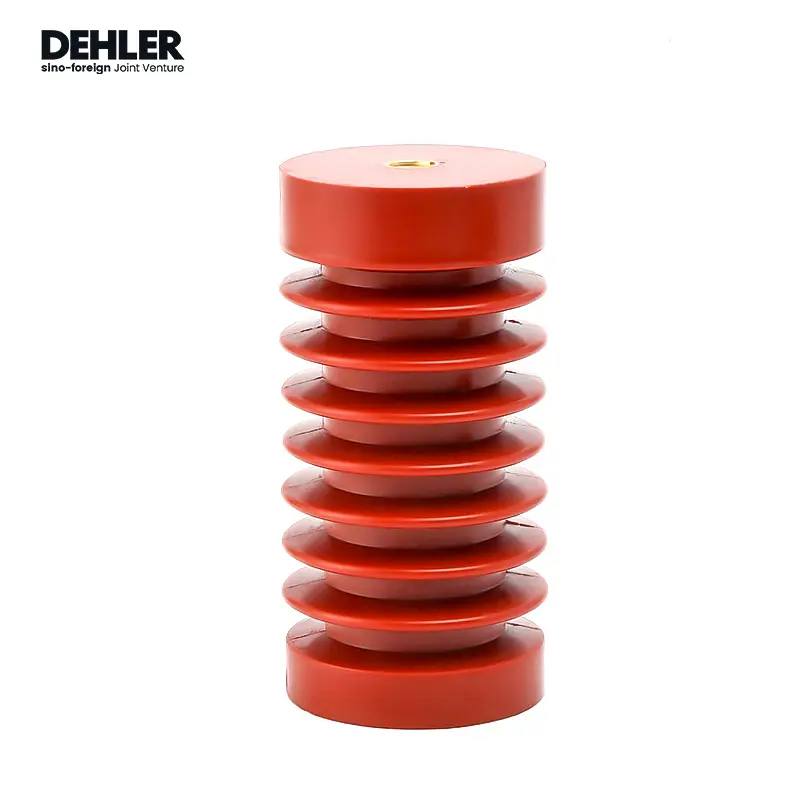
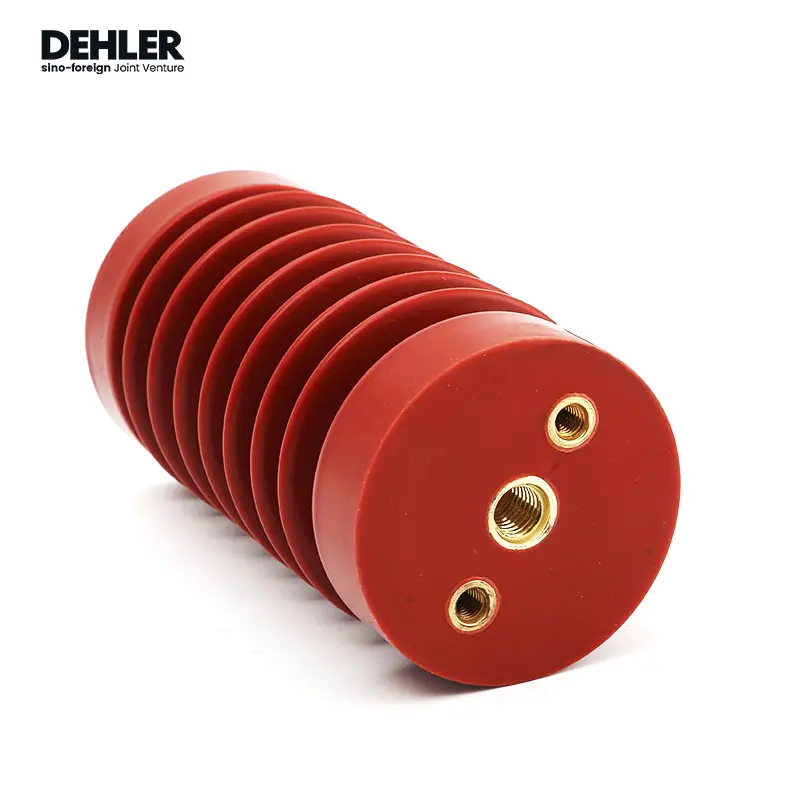
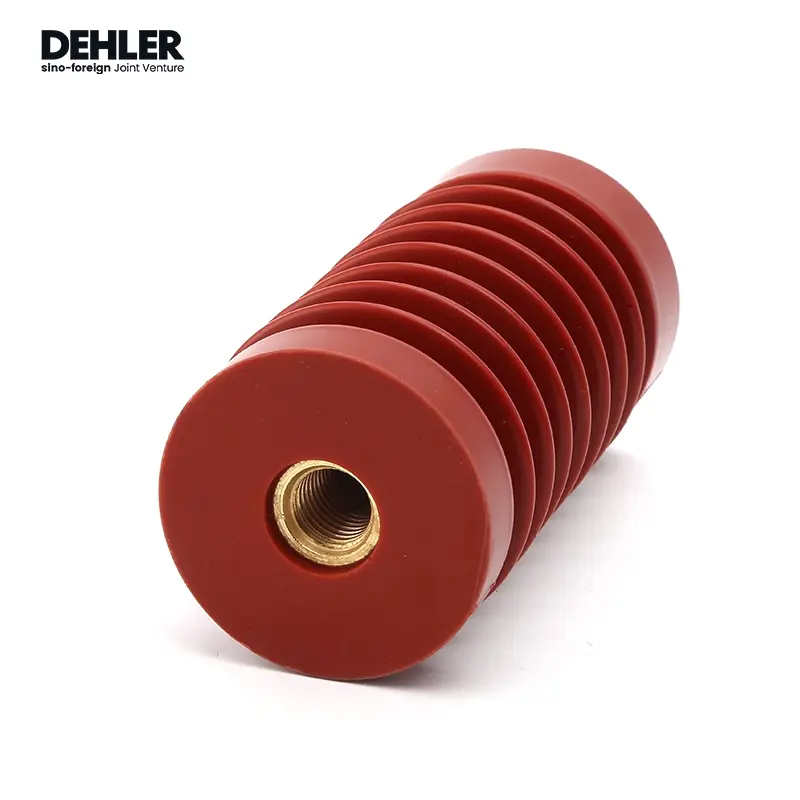
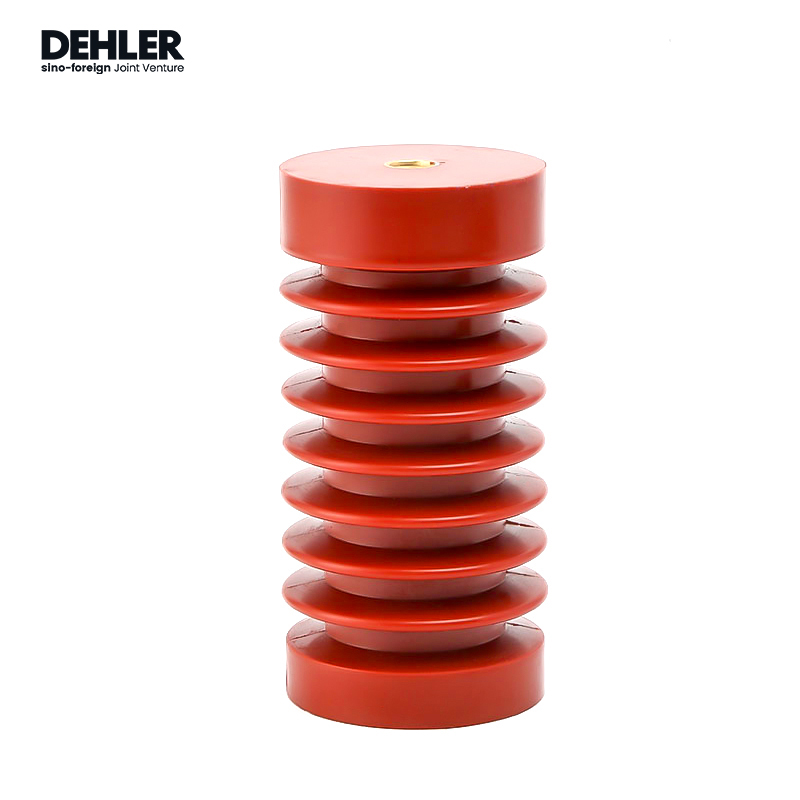
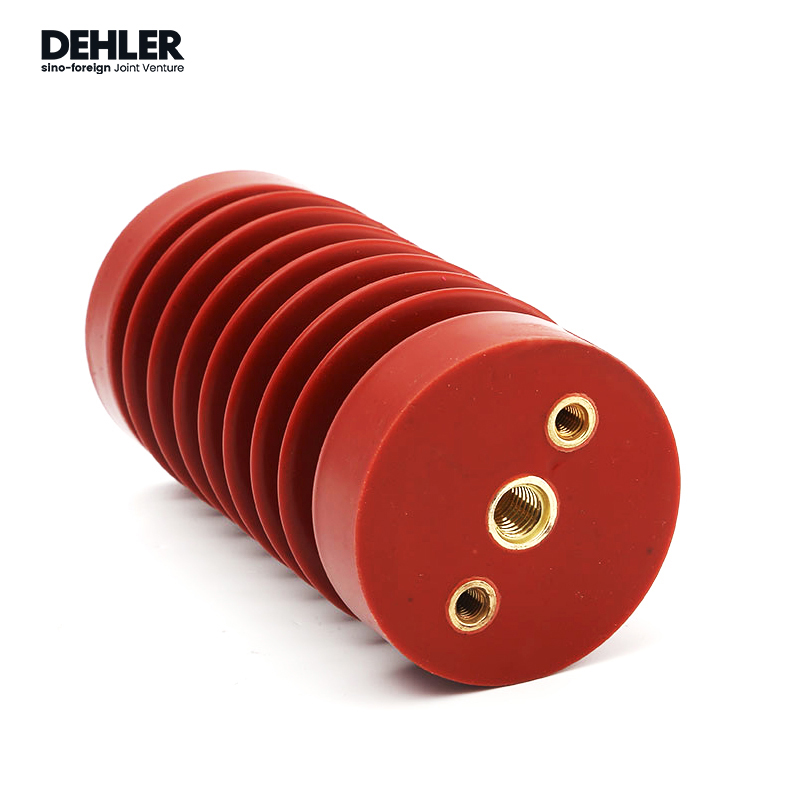
High-voltage post insulators are essential insulating components utilized in power systems around the world, including China. These insulators play a crucial role in supporting live conductors while effectively insulating them from the ground and other conductors that may have varying potential differences. Designed to withstand significant mechanical loads, high-voltage post insulators prevent current leakage and ensure the safe, stable operation of electrical systems, Manufactured with high-quality materials such as ceramic, tempered glass, or composite materials, these insulators are vital in transmission lines, substations, and various electrical equipment. As leading suppliers and a trusted factory in the industry, we are committed to providing reliable high-voltage post insulators that meet the rigorous demands of modern power systems

Product Description

Main Functions

Supporting conductors: In overhead transmission lines, post insulators bear the weight of the conductors.

Preventing current back to ground: Ensuring that live conductors do not experience current back to the ground, protecting system safety.

Isolation: In substations and electrical equipment, used to support and isolate conductive parts, preventing electrical faults.

Structural Features

Material: Typically made of ceramic, glass, or composite materials, sometimes combined with metal accessories (such as steel feet and iron caps).

Non-Penetrating Performance: Most post insulators employ a "non-penetrating" design, meaning the external flashover distance and the insulation capacity of the internal through-path are almost equal. In the event of a fault, only external flashover will occur, without leading to breakdown of the internal dielectric.

Advantages of Composite Materials: Composite post insulators offer advantages such as light weight, strong shock resistance, and excellent resistance to pollution flashover.
Application Scenarios
  • Essential in 110kV–500kV high-voltage substations, supporting busbars and conductors in indoor/outdoor distribution equipment.
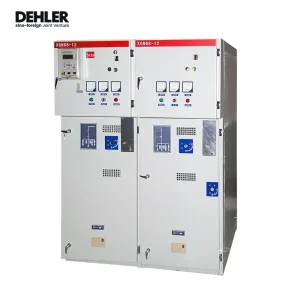
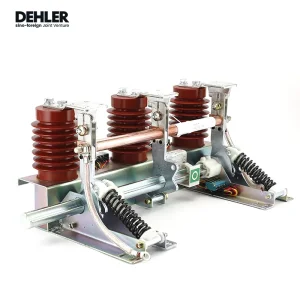
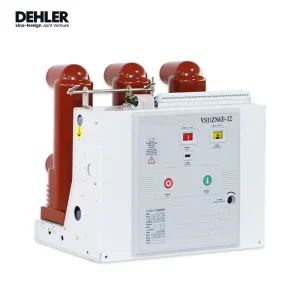
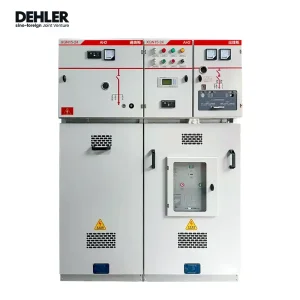
  • Used in high-voltage switchgear, isolating switches, and circuit breakers to provide insulation and mechanical support for live parts.
  • Applied in power transmission lines of industrial plants (steel, chemical), power stations, and renewable energy facilities (wind, solar farms).
  • Ideal for urban power grids and coastal areas, where resistance to humidity, salt spray, and industrial pollution is critical.
  • Integrated into specialized high-voltage systems for railways, metros, and mining, ensuring safe power distribution in harsh operational conditions.
Product Display
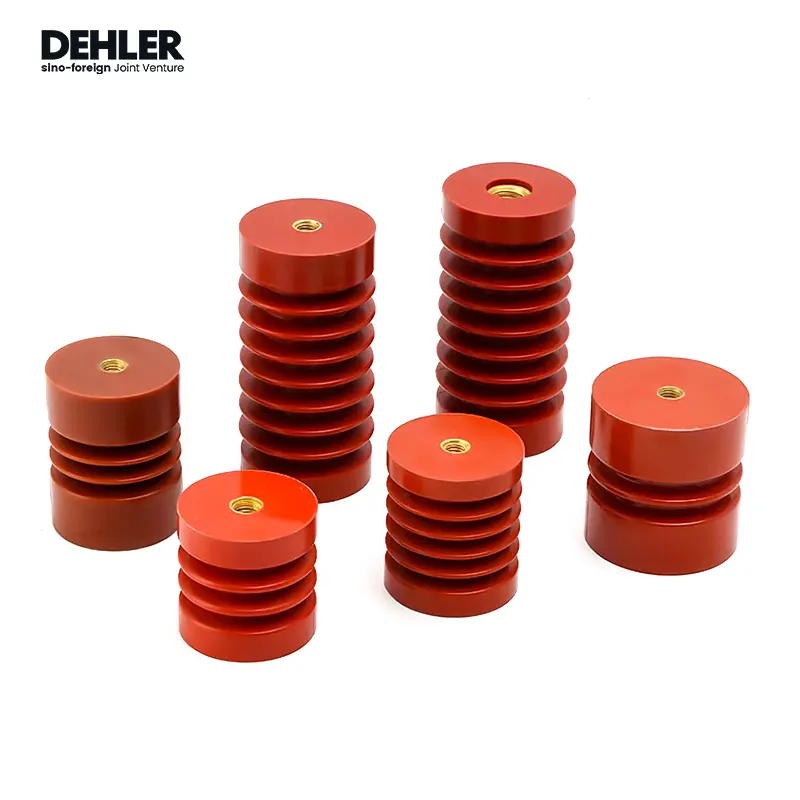
High-Voltage Post Insulators
Post Insulator Details
High-Voltage Equipment Support
Frequently Asked Questions
What is a high-voltage post insulator and what is its primary role?
A high-voltage post insulator is a structural component used in power systems to mechanically support conductors and busbars while electrically isolating them from grounded structures. Its primary role is to prevent current from flowing back to ground.
What materials are high-voltage post insulators made from?
Post insulators are commonly manufactured from ceramic (porcelain), toughened glass, or composite polymer materials. Metal accessories such as steel bases and iron caps are often combined for installation.
What does "non-penetrating design" mean in post insulators?
It means the external flashover distance and the internal insulation path length are nearly equal. In a fault condition, electrical discharge occurs on the outer surface rather than puncturing through the insulator body, preserving structural integrity.
What are the advantages of composite post insulators over ceramic ones?
Composite post insulators are significantly lighter, offer superior resistance to mechanical shock and vibration, and have hydrophobic surface properties that provide excellent performance in polluted environments.
In which voltage ranges are post insulators typically applied?
They are widely used across a broad voltage spectrum, from medium-voltage distribution systems up to 500kV and beyond in extra-high-voltage (EHV) transmission networks and substations.
Are post insulators suitable for harsh environmental conditions?
Yes. Especially composite types are engineered to perform reliably in demanding environments including coastal areas with salt spray, industrial zones with chemical pollution, and high-altitude regions.

Related Products