 Dehler
Dehler
Dehler
Explore our flagship industrial electrical components and system-level energy distribution switchgear engineered for global power grids and PV applications.
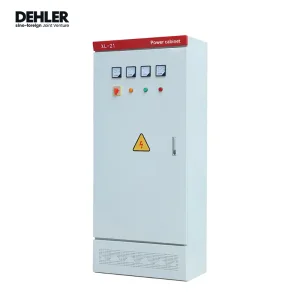
Reliable low-voltage electrical distribution solutions built for stability, structural endurance, and industrial applications.
Learn More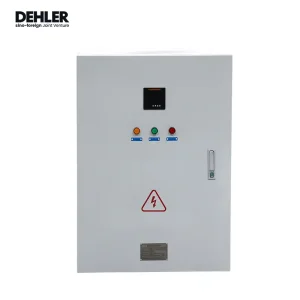
Robust and reliable power management engineered for factory complexes, heavy utilities, and automation facilities.
Learn More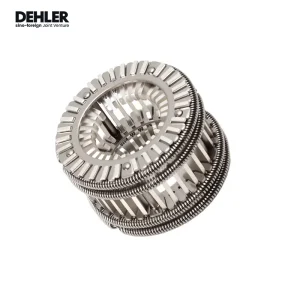
High-conductivity copper plum contacts with premium silver plating, designed for stability in switchgears.
Learn More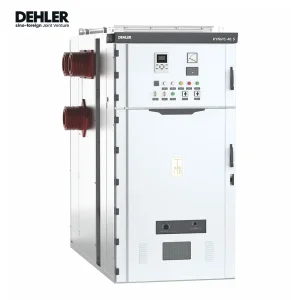
Heavy-duty metal-enclosed armored switchgear engineered to handle 40.5kV high-voltage main networks.
Learn More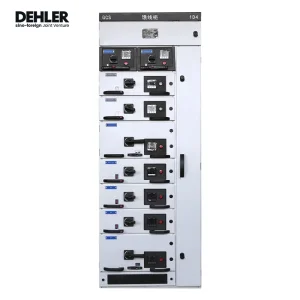
Intelligent withdrawable drawer unit switchgear providing flexible modular maintenance for low-voltage setups.
Learn More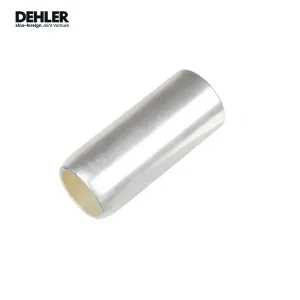
Precision-manufactured high-voltage contacts providing high wear resistance and low thermal expansion.
Learn More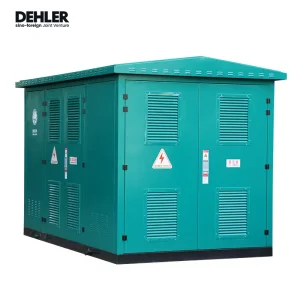
Compact outdoor substations integrated with transformer, MV, and LV control panels for direct project siting.
Learn More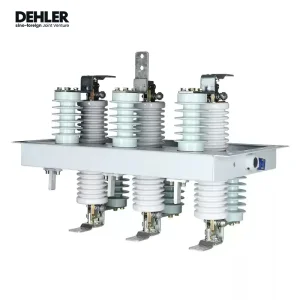
Robust electrical safety isolating switch engineered with high physical load capabilities and reliable contactors.
Learn MoreAs the global community accelerates towards carbon neutrality, large-scale photovoltaic (PV) generation has transitioned from a localized solution to a pillar of utility energy networks. The Solar Power Combiner Box acts as the central hub of energy convergence. In utility-scale solar farms, thousands of individual PV modules generate power in strings. The combiner box serves to parallel these DC strings, protecting the overall network against overcurrent and voltage spikes, while transforming disparate string outputs into a single consolidated DC trunk run heading to the central or string inverter.
Modern PV combiner boxes do far more than physically bundle cables. Under modern system architectures, especially with the global shift from 1000V DC to 1500V DC operating voltages, the combiner box has become an integrated command center. It is equipped with advanced Surge Protective Devices (SPDs), rapid DC disconnect switches, and state-of-the-art string monitoring systems that communicate back to the plant's SCADA system via Modbus or wireless protocols.
By leveraging 1500V systems, EPC contractors can decrease Balance of System (BOS) costs by up to 20%. This is accomplished by using thinner conductors and longer series string runs. However, this higher voltage demands highly resilient, reliable electrical isolation, temperature management, and safety features—capabilities that premier China PV combiner box manufacturers specialize in delivering.

For project developers and EPCs, selecting the correct configuration of a combiner box directly influences the Levelized Cost of Energy (LCOE) and the safety footprint of the solar array. The modern design of PV combiner boxes focuses on three core pillars: Safety Isolation, Environmental Protection, and Smart Diagnostics.
| Feature / Parameter | Standard Configuration | Advanced Configuration (1500V Smart Box) |
|---|---|---|
| System Voltage | 1000V DC max | 1500V DC max (reduced BOS cabling cost) |
| Surge Protection (SPD) | Type 2 DC surge protection | Type 1 + 2 combined DC SPD with thermal fail-safes |
| Overcurrent Protection | Standard touch-safe fuses (10A - 20A) | High-performance gPV fuses (up to 32A/30A ratings) |
| String Monitoring | None (Manual field testing required) | Hall-effect sensor-based monitoring (voltage, current, temp) |
| Enclosure Type | IP65 Polycarbonate / Metal box | IP66 fiberglass-reinforced polyester (SMC) or stainless steel |
| Communications | No data transmission | RS485 Modbus RTU / Fiber optic options for SCADA integration |
In addition, advanced thermal design is mandatory. Because solar fields operate under direct solar radiation and extreme ambient heat, combiner boxes are subject to solar gain. High temperatures inside the box degrade fuses and switches. High-quality Chinese factories solve this through standardizing breathing valves (condensation control), deploying thermal insulating coatings, and utilizing customized busbar shapes that maximize natural convective cooling.
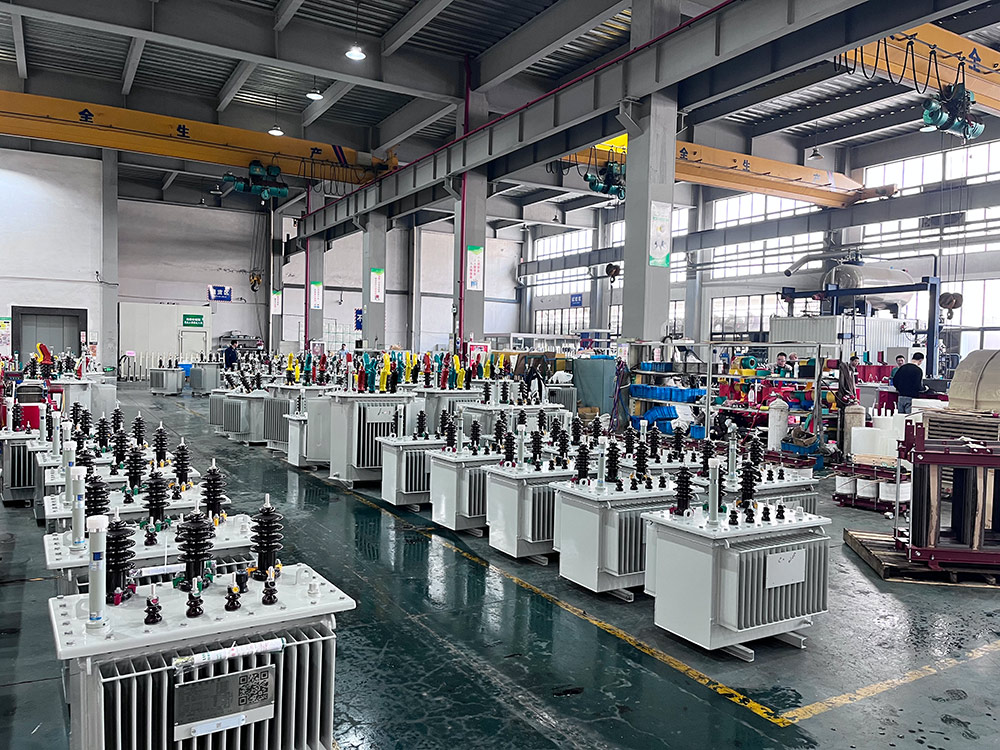
Dehler Technology Co., Ltd., established in 2016, is a modern technology enterprise integrating R&D, production, sales, and service. Specializing in high and low voltage power equipment, we operate out of our state-of-the-art facilities located at No. 271, Weishiqi Road, Yanpan Economic Development Zone, Yueqing City. Our dedicated electrical complete equipment transformer division is situated at No. 178, Jingba Road, Economic Development Zone, placing us in the heart of China’s leading electrical engineering industrial cluster.
We specialize in the engineering of high & low voltage switchgear, Prefabricated substations, cable branch cabinets, indoor & outdoor vacuum circuit breakers (VCBs), disconnectors, earthing switches, load switches, and various critical electrical distribution components. Facing the rapid demands of global industrial electrical systems, Dehler has established a comprehensive market network and after-sales support ecosystem.
Our strategic business layout covers crucial power sectors such as solar power generation, wind power generation, railway electrification, steel mills, cement works, chemical processing, marine automation, and high/low voltage power factor correction. By adhering to the core philosophy of "survival through quality, development through technology, and efficiency through management," Dehler guarantees the reliability of components used in solar power installations globally.
“High-quality products, superior technology, and impeccable service” are the continuous goals pursued by Dehler. Facing the structural challenges and opportunities of international industrial electrical distribution, our company has formulated a rapid development model designed to handle large-scale custom production with high compliance rates.
We leverage a systematic and standardized quality management system, strictly adhering to national and international quality system standards. This meticulous approach has allowed us to integrate into international supply chains, helping project engineers accelerate resource allocation, minimize local grid inspection failures, and optimize system safety. From design phase customization to remote grid connection verification, Dehler provides comprehensive technical partnership.
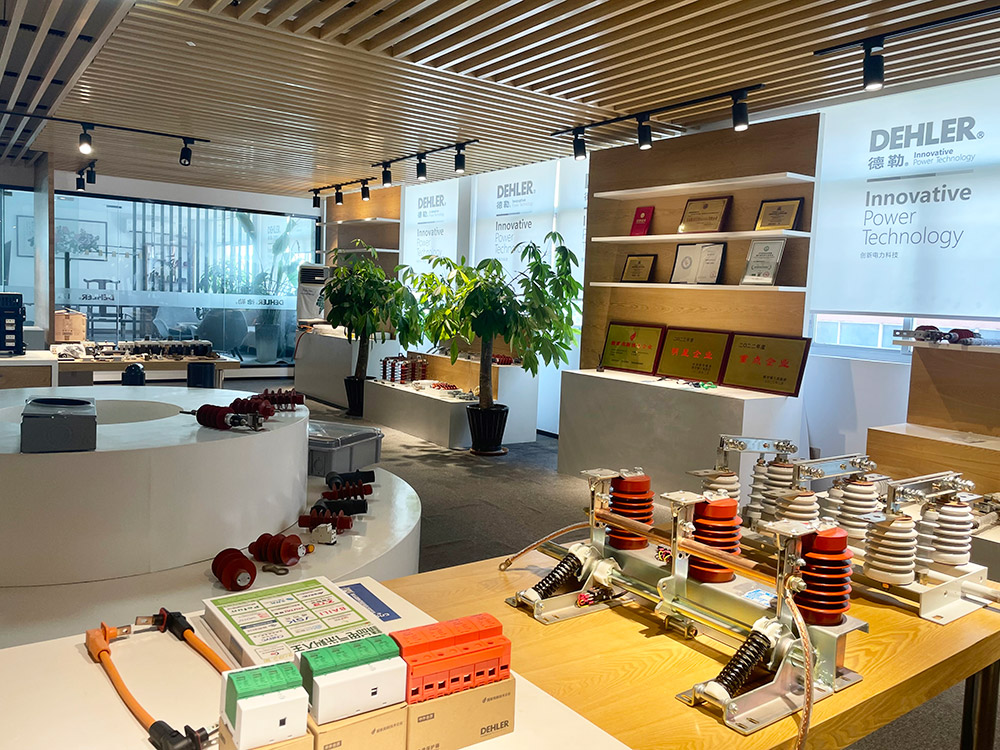
How sourcing from Yueqing, the electrical capital of China, elevates procurement efficiency, lowers engineering costs, and provides unprecedented quality control.
From raw sheet metal fabrication to plastic injection molding and terminal block manufacturing, the entire supply chain is concentrated within a 20km radius, reducing lead times.
Factories utilize automated circuit test rigs, precision CNC machining, and automated laser marking to ensure zero wiring defects across thousands of units.
Products undergo rigorous internal and third-party laboratory tests, ensuring compliance with international directives such as IEC 61439-2, CE, and TUV.
High-efficiency tooling and volume-based procurement of copper, enclosures, and fuses mean projects realize superior technology without budget inflation.
Explore our complete inventory of industrial equipment manufactured directly by Dehler Technology Co., Ltd. for domestic and international high-voltage power networks.
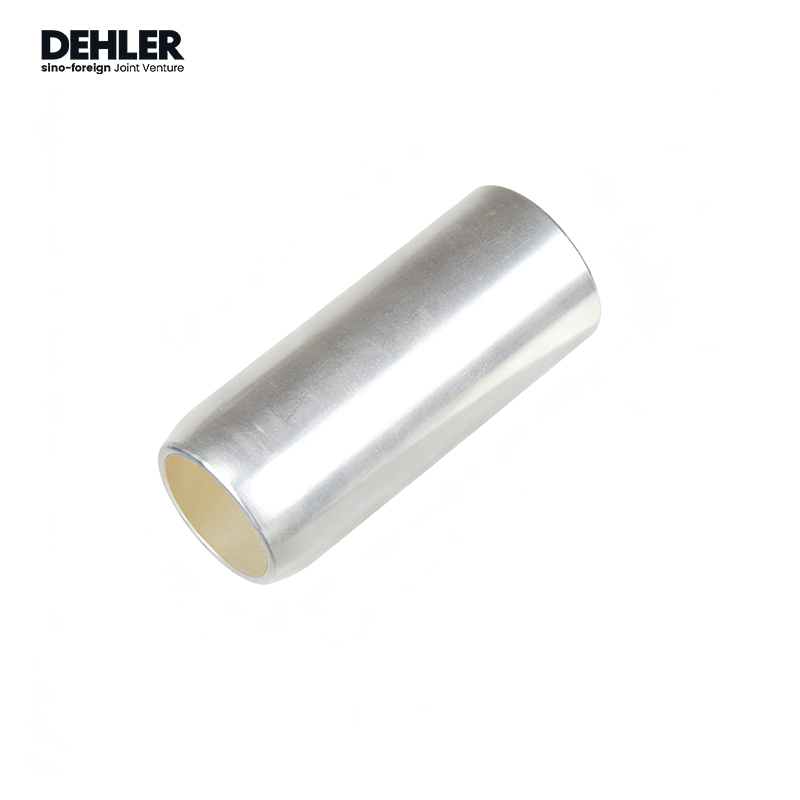
Critical conducting contact interfaces engineered for high-voltage switchgear cabinets and heavy industrial breakers.
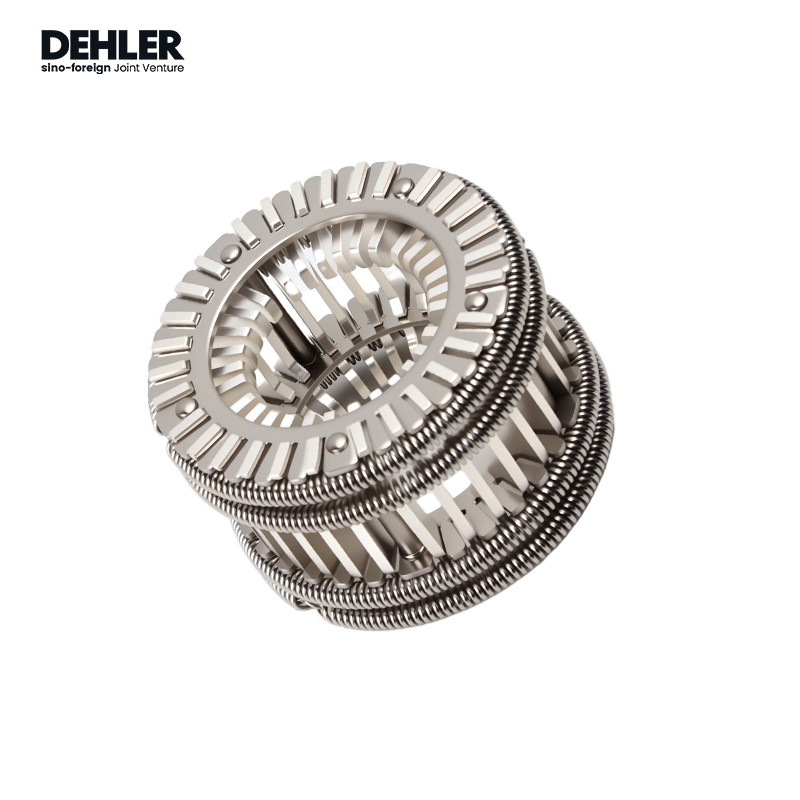
High-grade copper structure with multiple compression fingers to ensure low contact resistance and long lifecycle.
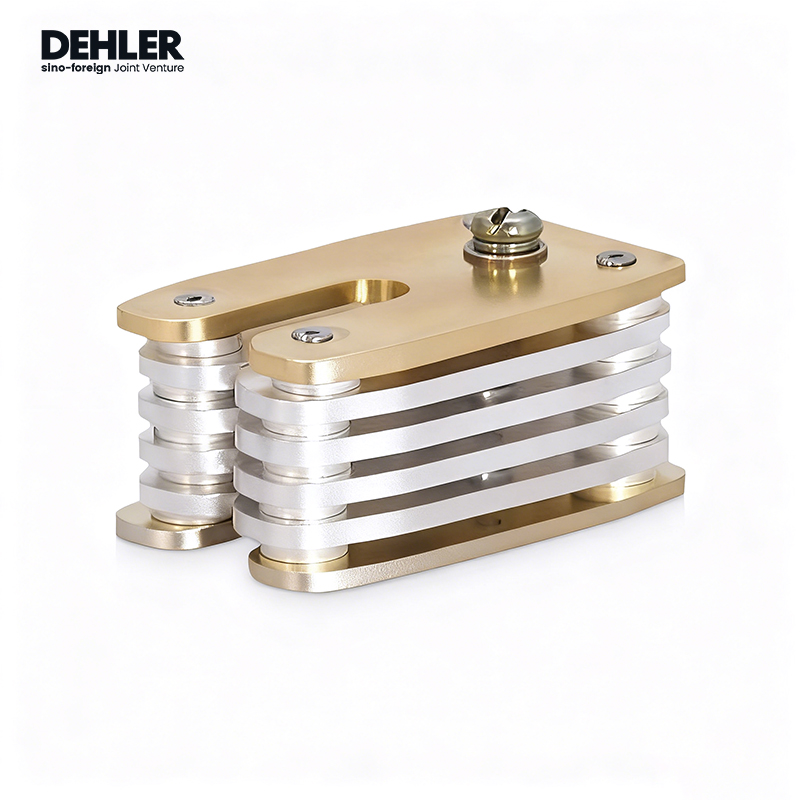
Engineered contact plates designed for withdrawable low-voltage electrical circuit switchgear assemblies.
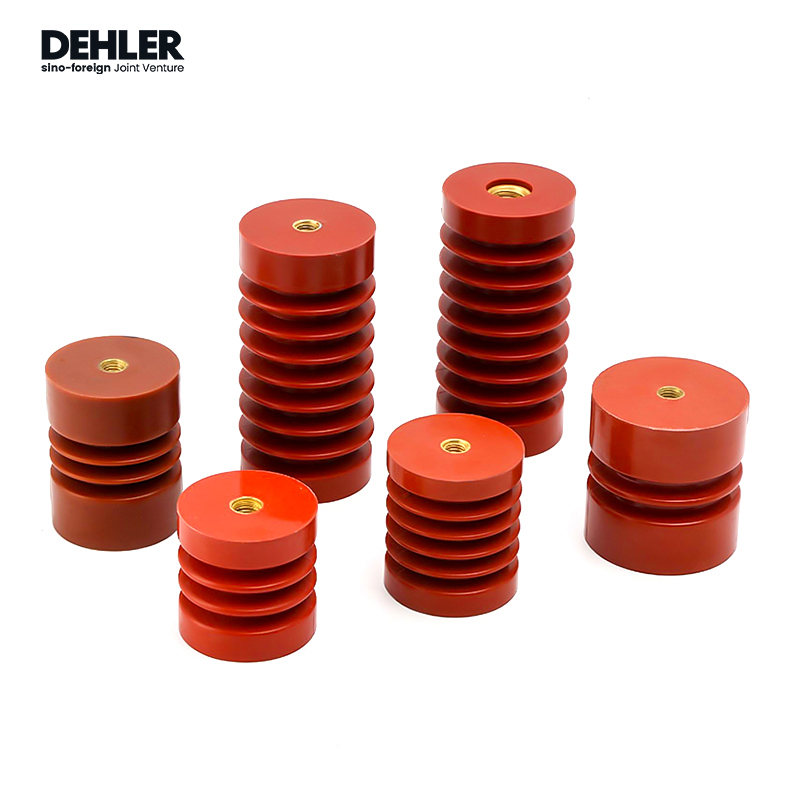
Excellent mechanical properties and electrical insulation performance under severe pollution environments.
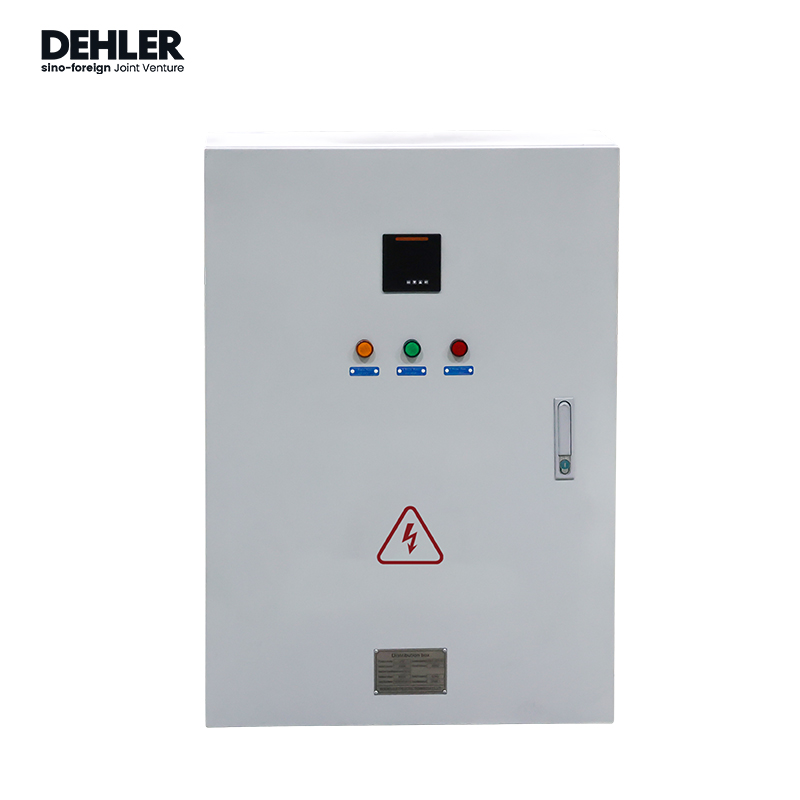
Engineered for direct installation in industrial factories and electrical distribution facilities.
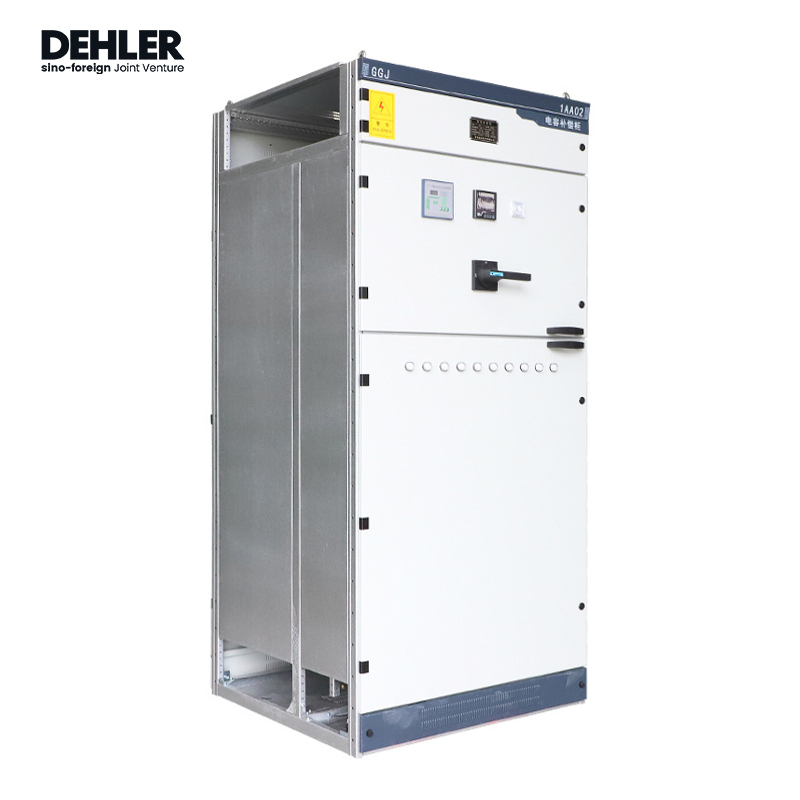
Intelligent reactive power compensation cabinets that automatically stabilize system power factor.
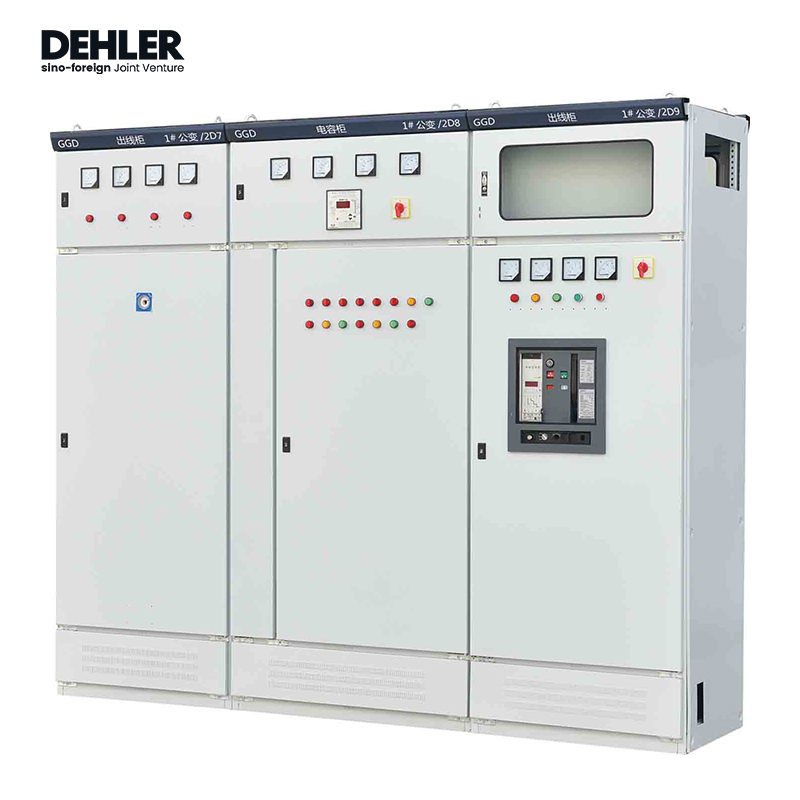
Standard indoor low voltage fixed switchgear designed for power plants, substations, and industrial complexes.
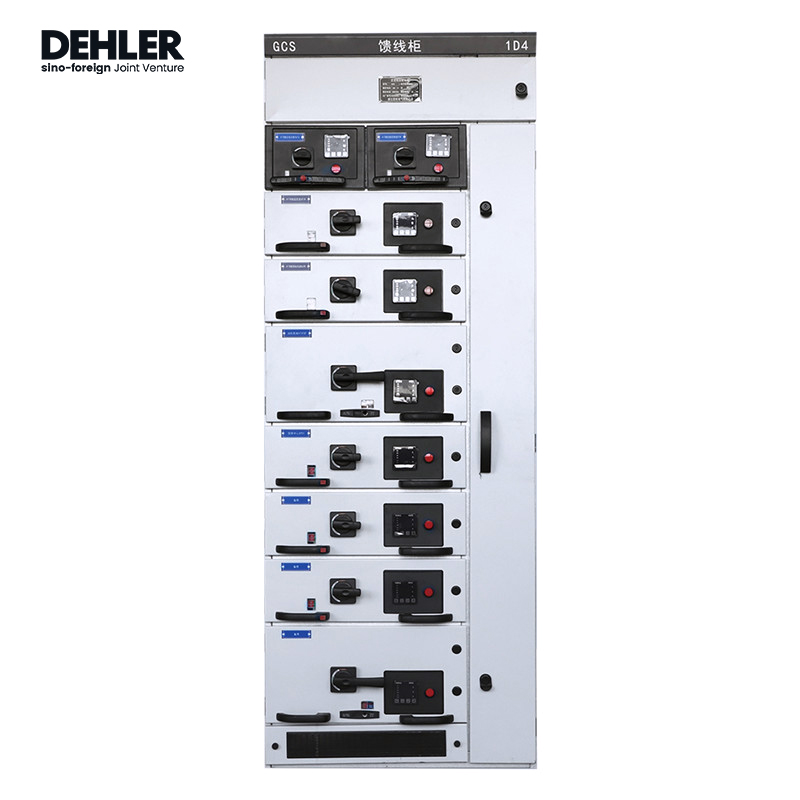
Advanced withdrawable design with high breaking capacity and good dynamic thermal stability.
Solar projects are exposed to diverse environments globally. Designing a generic combiner box for all locations will lead to field failures. Modern procurement demands localized customization:
When selecting a manufacturer in China for your combiner boxes, request and verify the following documentation to ensure compliance with quality and design specifications:
Based in China, with a global perspective, Dehler Technology Co., Ltd. collaborates with engineering firms, power utilities, and supply chain partners. We welcome your technical inquiries and look forward to partnering on low and high-voltage grid connections, solar integration, and power automation systems.
Visit our manufacturing facilities in Yueqing City, Zhejiang Province, to inspect our production lines, environmental test chambers, and electrical assembly facilities first-hand.
We maintain strategic distribution agreements and technical partnerships with international electrical components agents and developers.












Critical engineering and procurement questions regarding Solar Power Combiner Boxes and global system deployment.
Complete your layout with our high-voltage switchgear, circuit breakers, and automatic factor correction units designed for solar energy systems.
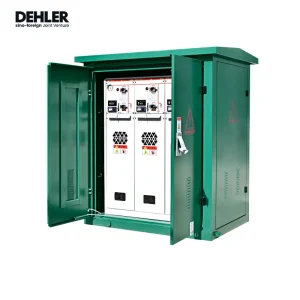
Compact modular SF6 insulated Ring Main Units (RMU) offering reliable loop network distribution configurations.
Learn More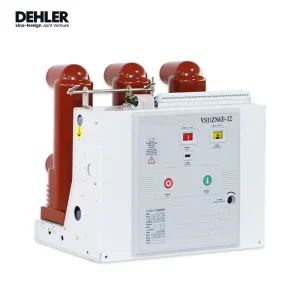
High-performance vacuum interrupter circuit breaker built to handle line fault isolation on 12kV grids.
Learn More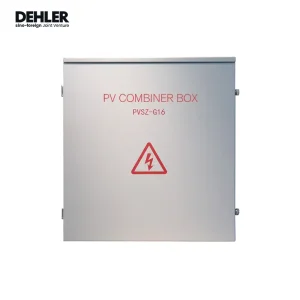
Integrated multi-channel DC PV combiner boxes offering reliable lightning and overcurrent protection.
Learn More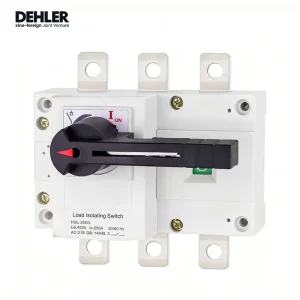
Heavy duty switches offering reliable physical circuit separation under continuous loading.
Learn More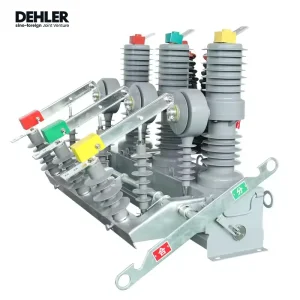
Pole-mounted outdoor vacuum circuit breakers designed for overhead network grid protection.
Learn More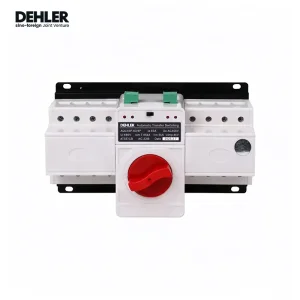
Reliable switch for automated, seamless power transitions between main utilities and backup generators.
Learn More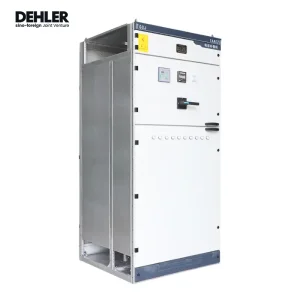
Dynamic reactive power compensation systems to reduce reactive current billing penalties.
Learn More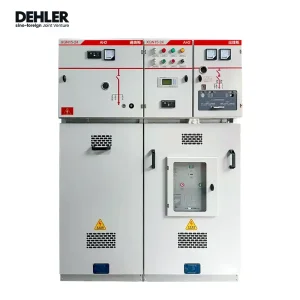
High-reliability loop network switch cabinet engineered for smart distribution in medium-voltage grids.
Learn More