1 / 5
 Dehler
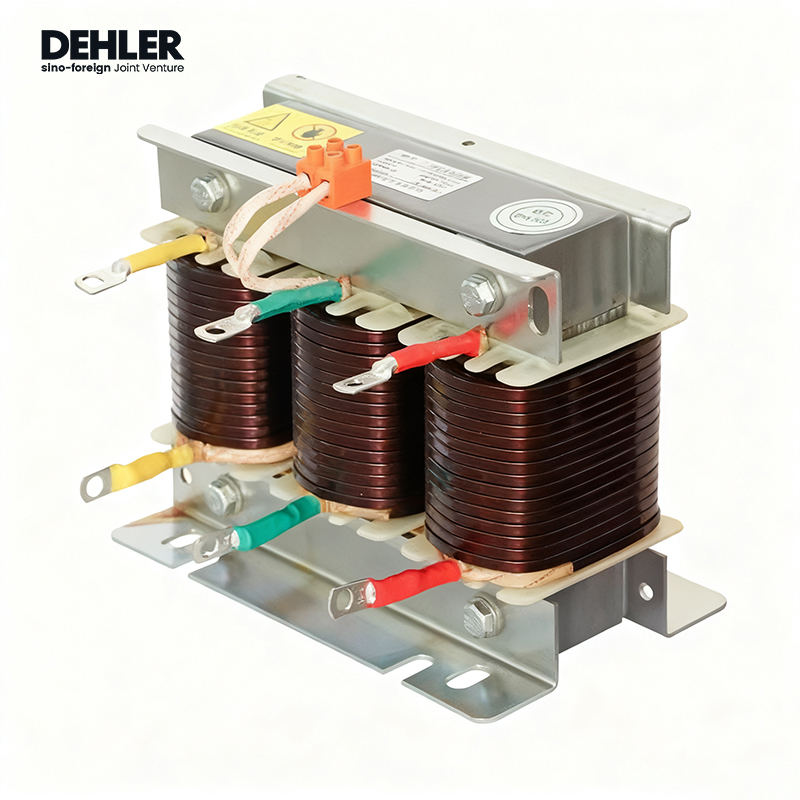
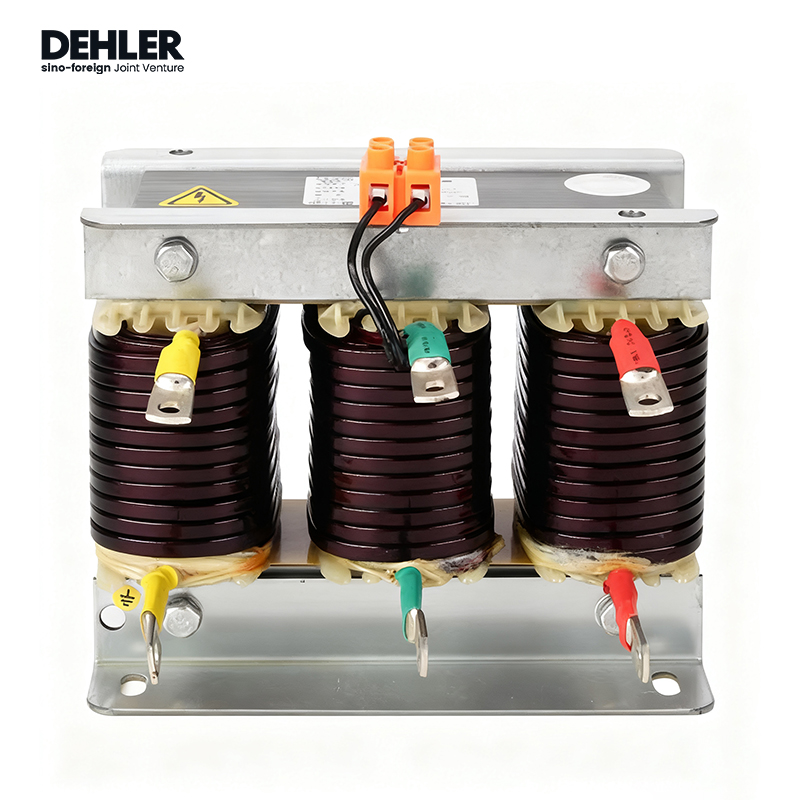
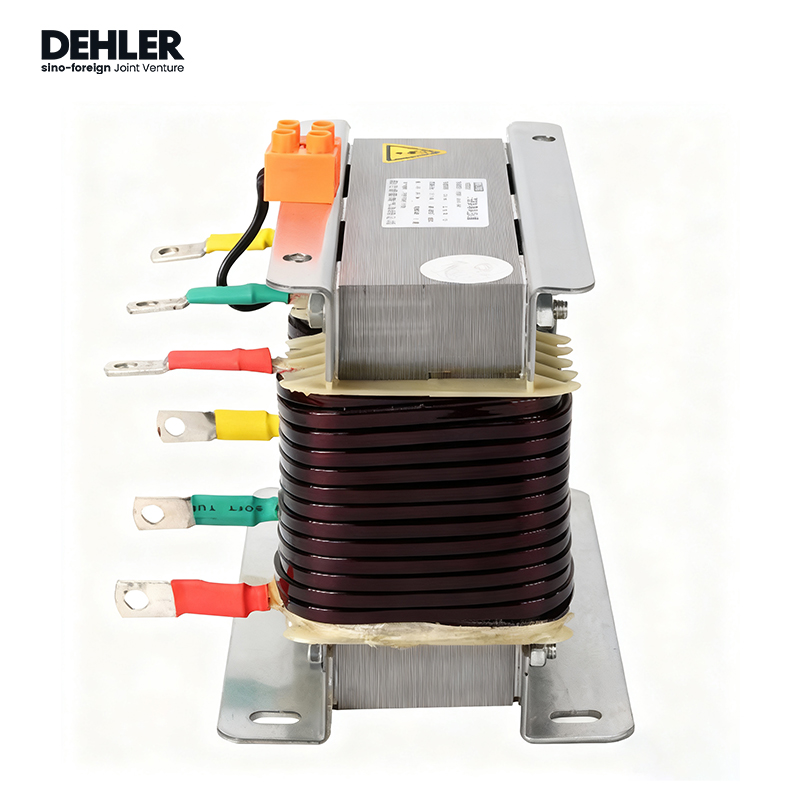
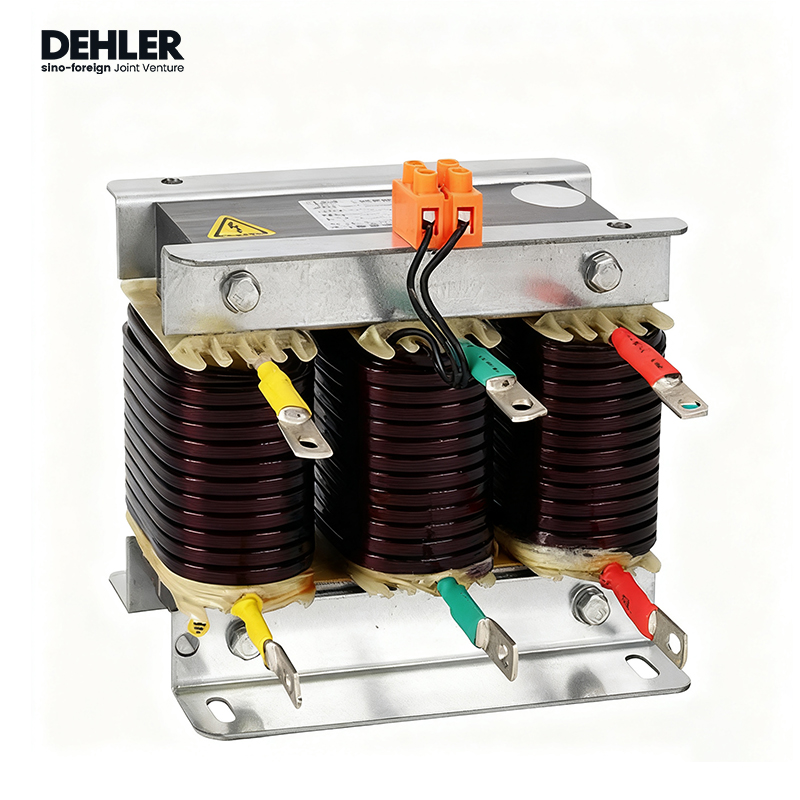
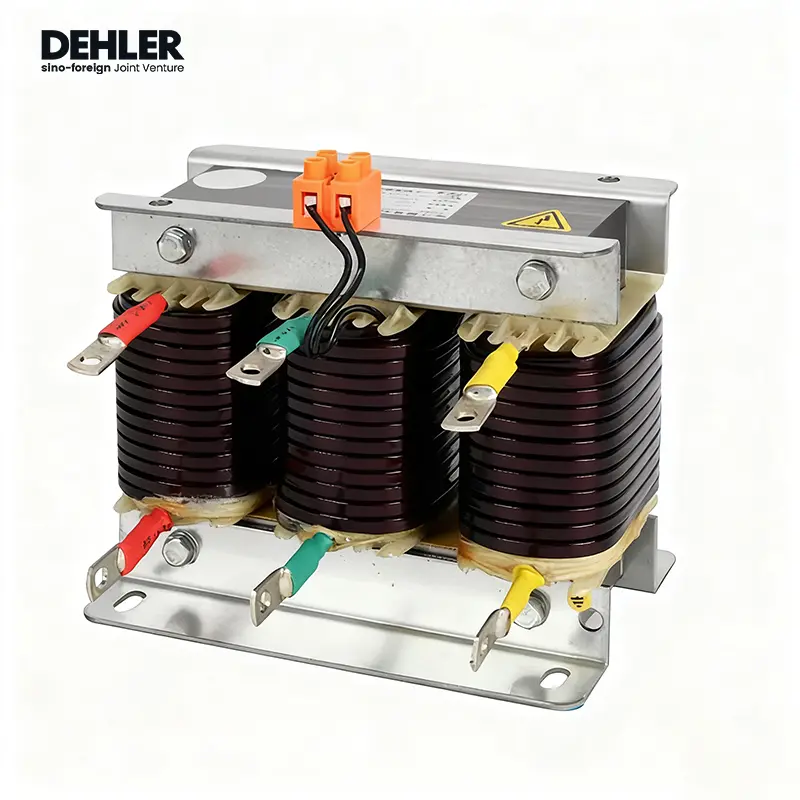
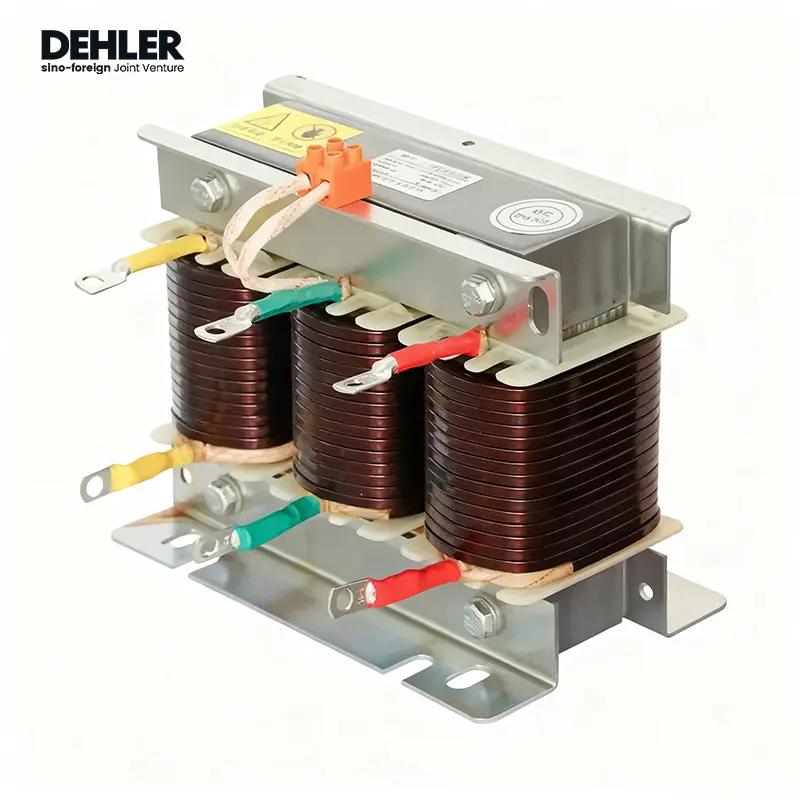
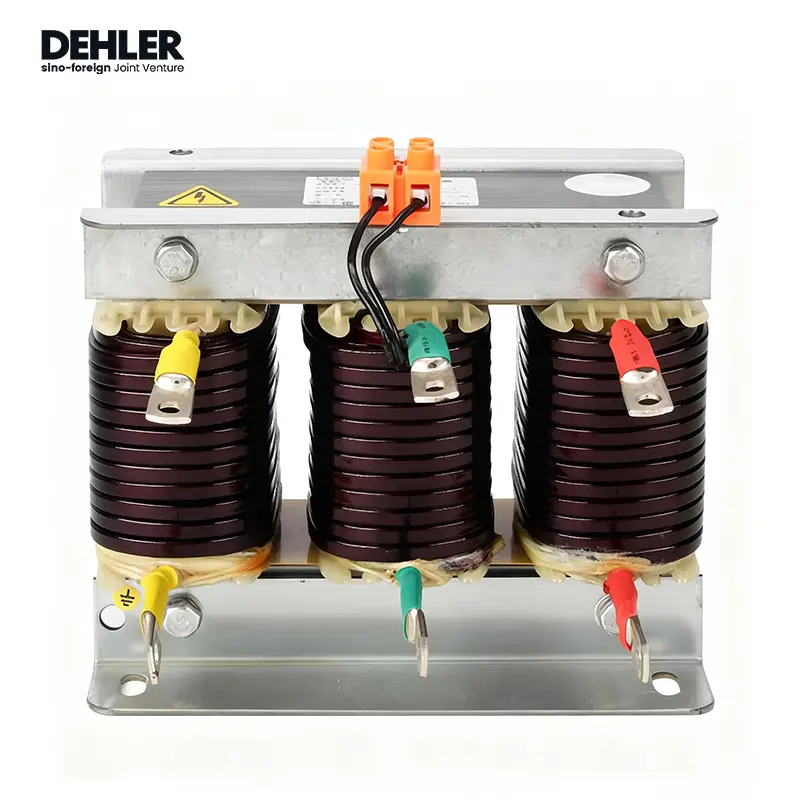
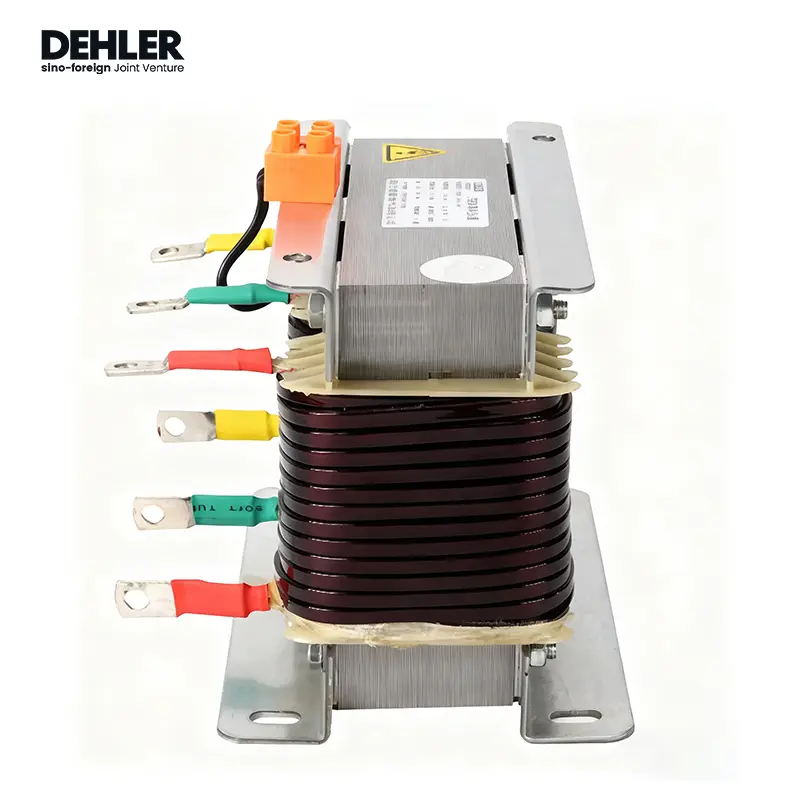
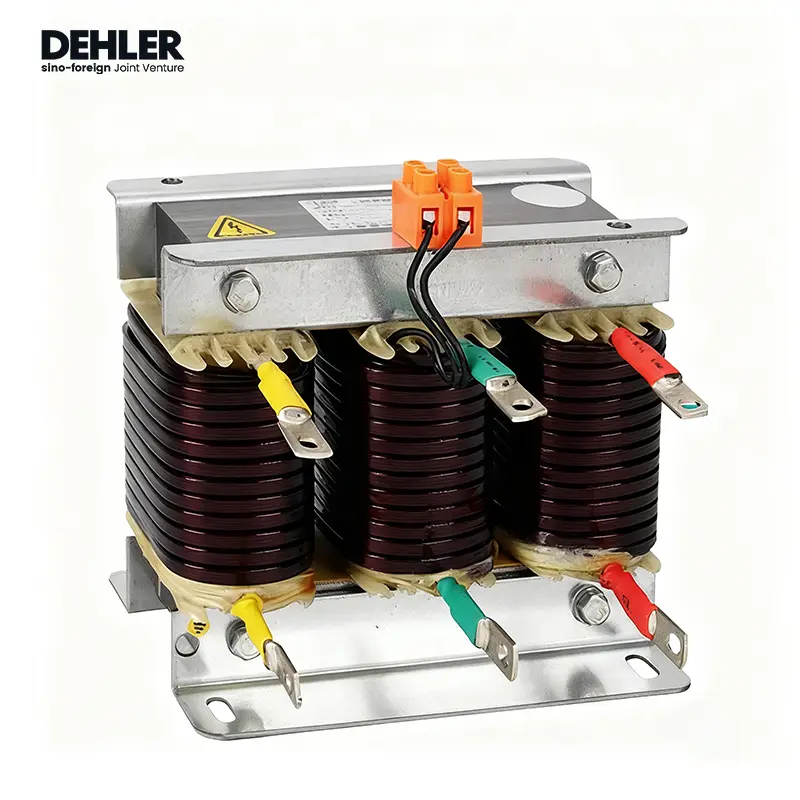
Structure and Materials: Typically employs a dry-core structure. The core is made of high-quality, low-loss silicon steel sheets, and the coil is wound with enameled flat wire using F- or H-grade insulation materials.
Manufacturing Process: Vacuum impregnation and heat curing processes ensure a strong bond between the coil and core, reducing noise, improving heat resistance, and providing excellent heat dissipation.
Technical Highlights:
1. Fasteners are made of non-magnetic materials, improving the quality factor.
2. Some products have over-temperature protection, such as protection at 170°C to 180°C.
3. The entire structure utilizes vacuum overpressure injected insulation material, enhancing reliability.
Suppressing Harmonic Amplification: When a system has a large number of nonlinear loads (such as frequency converters and rectifiers), harmonics are generated. Capacitors, transformers, and inductive loads form resonant circuits, which can amplify harmonics. Connecting a reactor in series with the capacitor circuit can prevent this resonance and effectively suppress harmonic pollution.
Limiting Inrush Current: Capacitor banks generate significant inrush current when connected and disconnected. Low-voltage series reactors can limit this inrush current, protecting the safe operation of the capacitor bank.
Improving Voltage Waveform and Power Factor: By suppressing harmonics and compensating for reactive power, reactors can stabilize voltage, improve the system's power factor, and enhance power quality.
Widely used in low-voltage power distribution systems in industries such as power systems, electrified railways, metallurgy, chemical industry, and petroleum, as well as in occasions where harmonic suppression and power factor improvement are required.