 Dehler
Dehler
Dehler
In the contemporary landscape of high-speed rail (HSR) and urban transit, the stability of power systems is paramount. Railway Lightning Arresters serve as the primary defensive barrier against transient overvoltages caused by atmospheric lightning strikes and internal switching operations. As global manufacturers shift toward "Smart Grid" integration, the demand for custom-engineered surge protection devices (SPDs) has reached an all-time high.
Traditional silicon carbide arresters have been phased out in favor of Gapless Metal Oxide Varistors (MOV). These provide superior non-linear V-I characteristics, ensuring rapid response times in the nanosecond range, which is critical for protecting sensitive on-board signaling and locomotive electronics.
Modern trains exceeding 300km/h generate unique electromagnetic interference. Custom manufacturers now focus on "low-residual voltage" designs and vibration-resistant housings, specifically engineered to withstand the mechanical stresses of rooftop locomotive installation.
The "Information Gain" in today’s market comes from predictive maintenance. Leading companies are integrating leakage current sensors and discharge counters with wireless communication (LoRaWAN/NB-IoT), allowing grid operators to monitor arrester health in real-time.
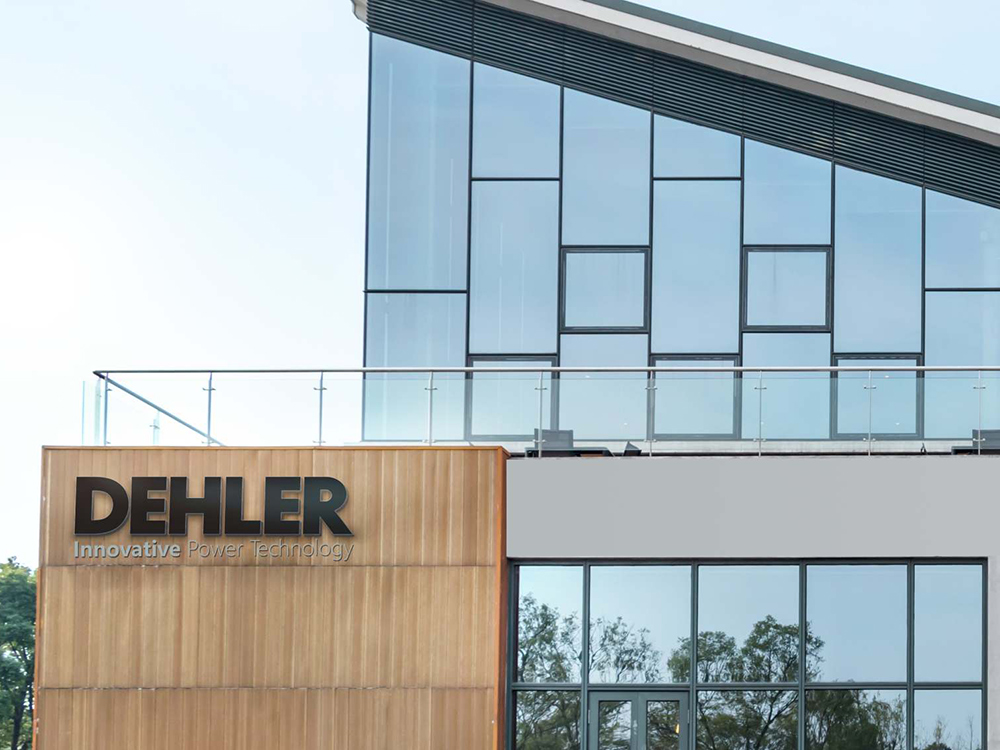
Established in 2016, Dehler Technology Co., Ltd. has rapidly emerged as a powerhouse in the high and low voltage equipment industry. Located in the heart of China’s electrical manufacturing hub, Yueqing City, Dehler integrates R&D, production, and global service.
Our expertise spans from 12kV to 40.5kV systems, serving critical sectors including railway electrification, steel mills, and wind power generation. By adhering to the E-E-A-T principles, we ensure that every custom railway lightning arrester meets rigorous international standards, providing reliability where failure is not an option.
By utilizing automated winding machines and computerized testing for MOV discs, we eliminate human error, ensuring a 99.9% pass rate for surge endurance tests.
Our integrated supply chain in Yueqing allows us to source raw materials and specialized components within a 50km radius, reducing lead times by 30% compared to global competitors.
In line with global ESG goals, our factories utilize solar energy and zero-waste manufacturing processes for polymer housings, reducing the carbon footprint of railway infrastructure projects.
From the subway systems of London to the high-altitude railways of the Tibetan Plateau, lightning arresters must adapt to diverse environmental stressors.
In coastal regions, salt-fog corrosion is the primary threat. Custom companies provide silicone rubber housings with increased creepage distances to prevent tracking and flashover.
At altitudes above 2000m, air density decreases, affecting insulation properties. We design arresters with enhanced external insulation to compensate for these atmospheric changes.
DC traction systems require arresters that can handle frequent switching surges and potential "harmonic pollution" from regenerative braking systems.
A: Polymer (Silicone Rubber) is shatter-proof, lighter, and has superior hydrophobic properties. In the event of a failure, it does not explode into dangerous shards, which is critical for safety in passenger-heavy railway corridors.
A: We calculate the residual voltage based on the BIL (Basic Insulation Level) of the equipment being protected. Our goal is to maintain a safety margin of at least 20-30% below the BIL.
A: Under normal operating conditions, a high-quality MOV arrester from Dehler is designed for a service life of 20 to 25 years, provided it is monitored for leakage current increases.
A: Yes, we provide specific DC-rated arresters (e.g., for 1500V or 3000V DC lines) that are optimized for the steady-state overvoltage characteristics of DC transit.
Whether you are designing a new high-speed line or upgrading urban transit infrastructure, Dehler Technology provides the technical depth and manufacturing capacity you need.