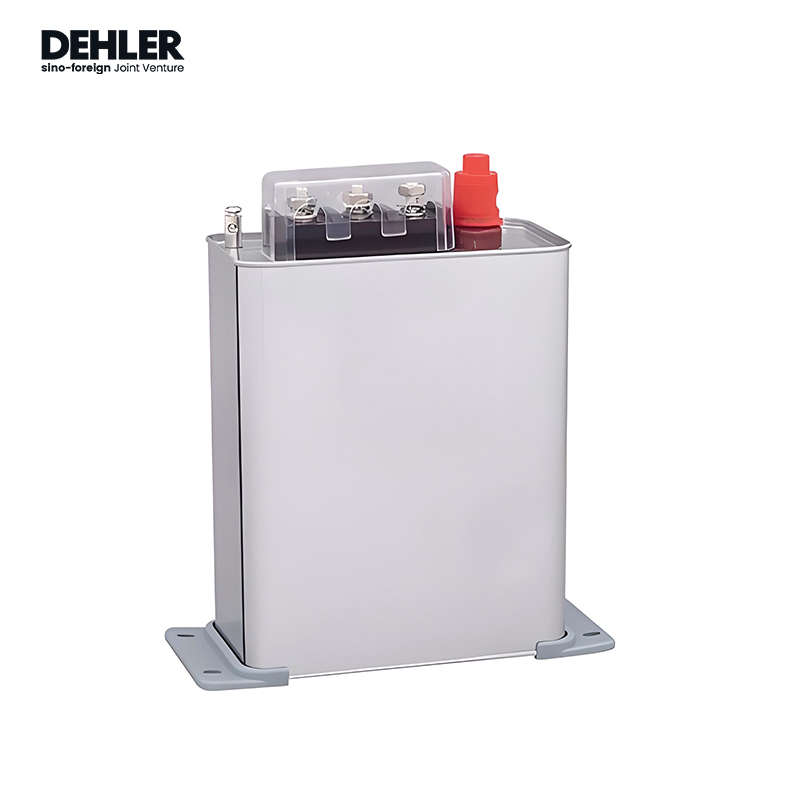
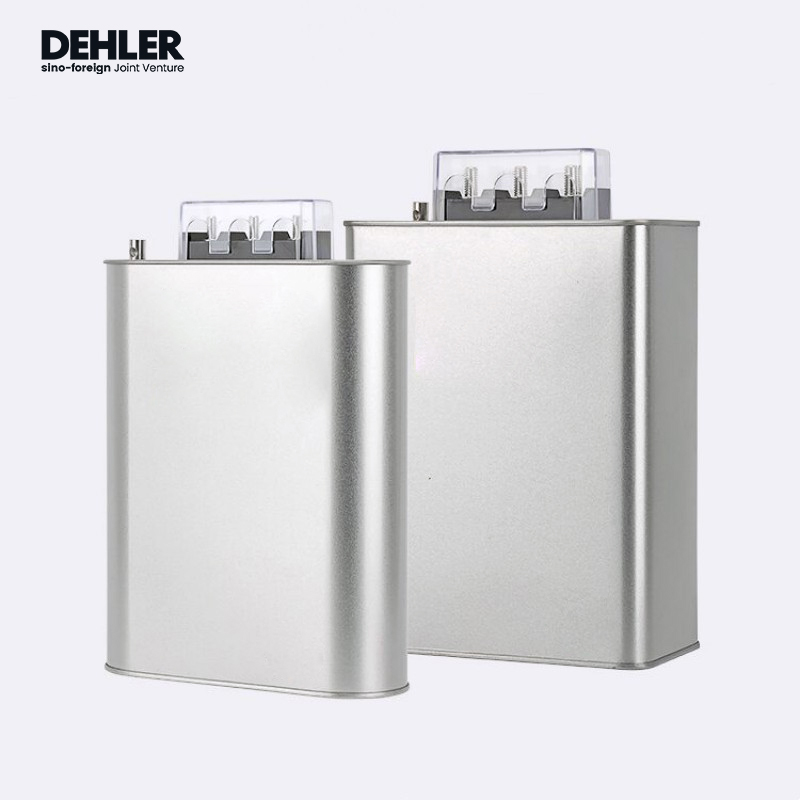
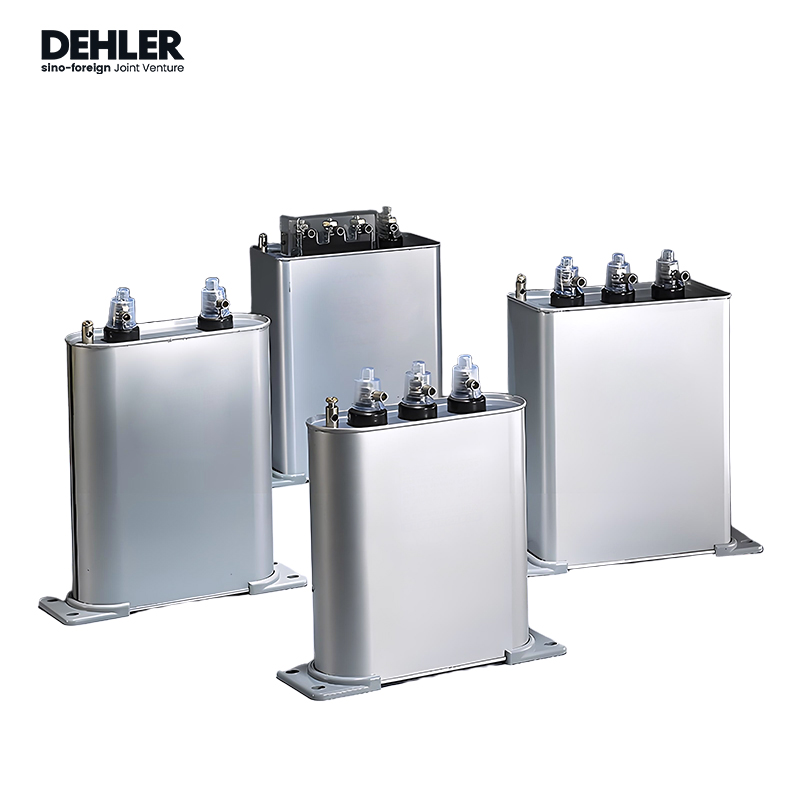
Q What is the primary function of a power factor correction capacitor?
The primary function is to improve the power factor by compensating for reactive power in the electrical system, thereby reducing the phase difference between current and voltage and enhancing overall grid efficiency.
Q What does the self-healing function of a capacitor mean?
The self-healing function means that when a localized breakdown occurs in the metallized thin-film dielectric, the metallized electrode evaporates at the fault point, effectively isolating the damaged area and allowing the capacitor to continue operating normally.
Q How does improving the power factor help reduce electricity costs?
By improving the power factor, reactive current in transmission lines is reduced, which lowers line losses and improves energy utilization efficiency. This directly reduces the amount of electricity consumed and can lower utility penalty charges.
Q What are the key installation requirements for these capacitors?
Key installation requirements include ensuring the rated voltage is not lower than the highest operating voltage of the grid, installing in a well-ventilated location, avoiding excessively high ambient temperatures, and performing proper grounding.
Q What safety protection features are built into these capacitors?
These capacitors are typically equipped with overload and overvoltage protection mechanisms, built-in mechanical explosion-proof devices, and temperature sensors to ensure safe and reliable operation.
Q Why do these capacitors have a longer service life compared to older models?
The extended service life is attributed to the self-healing function, which recovers from minor internal breakdowns, and the low loss dry-type technology, which minimizes heat generation during operation.
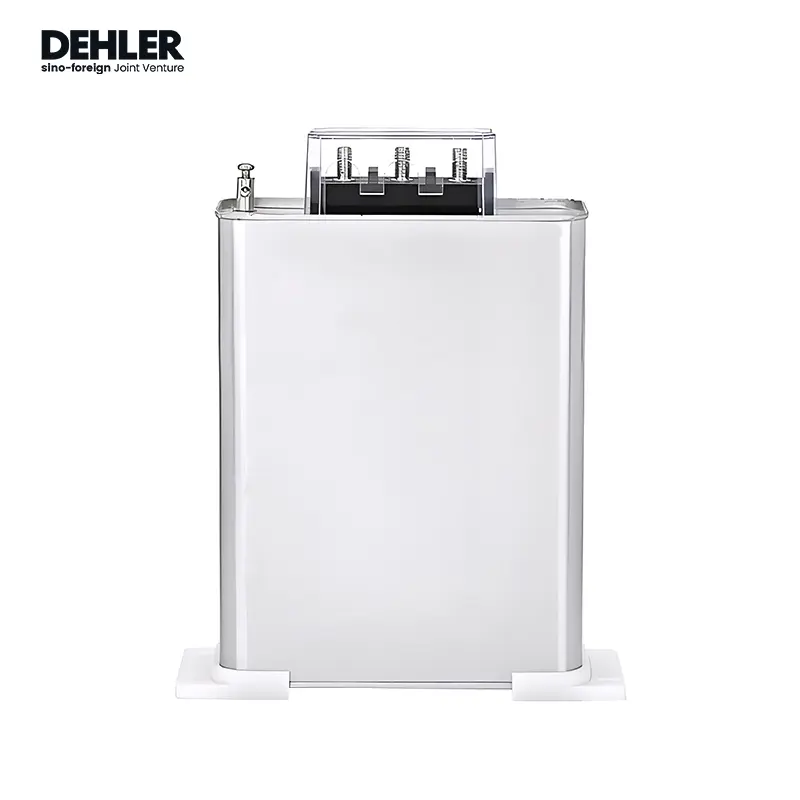
 Dehler