1 / 4
 Dehler
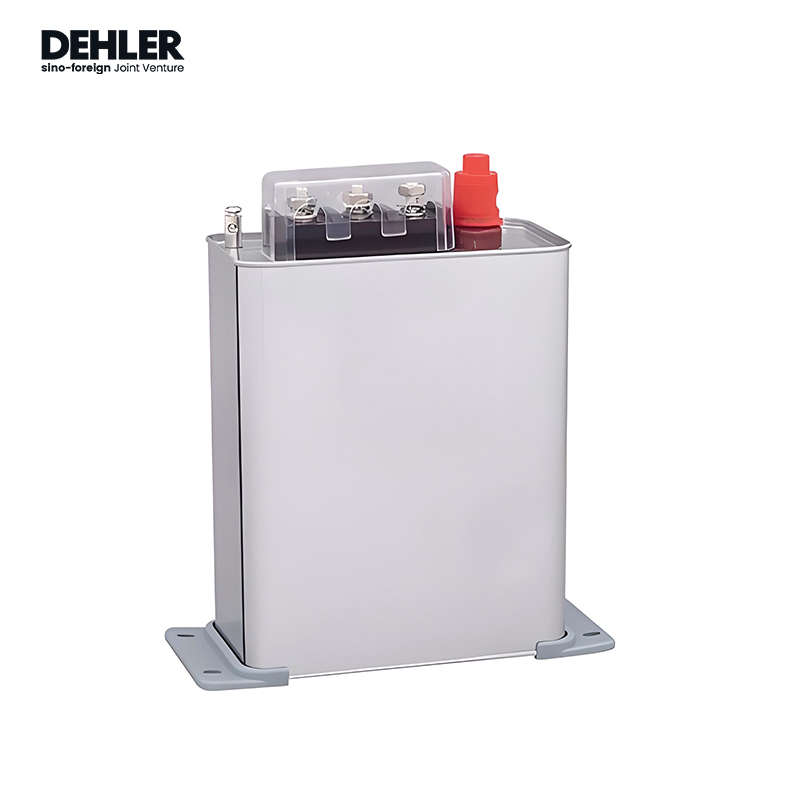
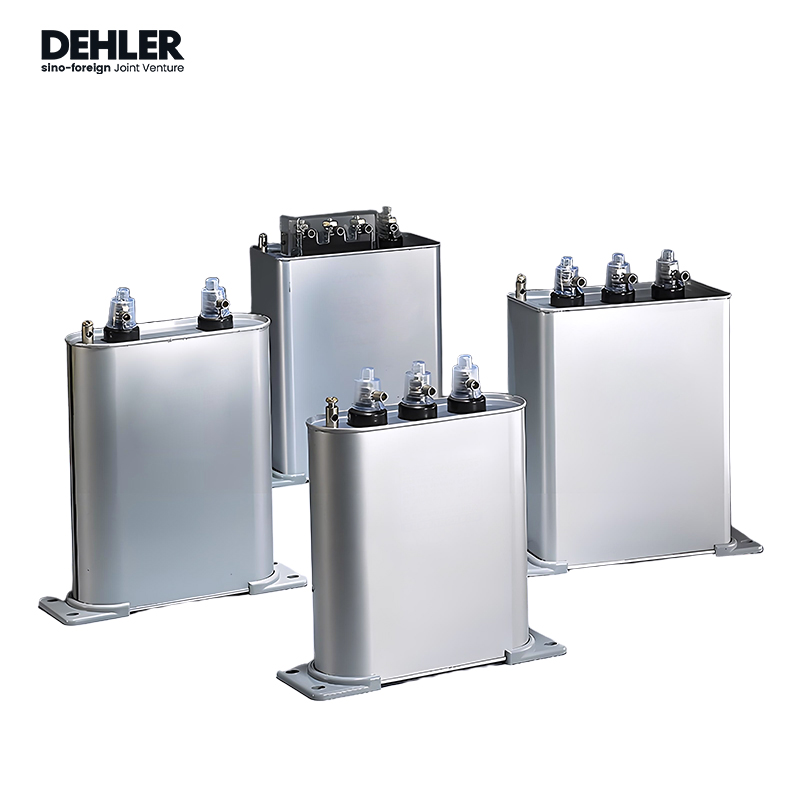
Improving Power Factor: This is the primary function of capacitors. By compensating for reactive power in the system, they reduce the phase difference between current and voltage.
Improving Power Grid Quality: Improving the power factor stabilizes grid voltage and reduces voltage fluctuations.
Reducing Losses: Reducing the flow of reactive current in transmission lines lowers line losses and improves power supply efficiency.
Saving Costs: Improving energy utilization and efficiency helps reduce electricity costs for businesses.
Self-healing function: Utilizing a metallized thin-film dielectric, when localized breakdown occurs, the metallized electrode evaporates, isolating the breakdown area and allowing the capacitor to continue operating.
Low loss: Employing dry-type technology, it has a low loss tangent (tan delta) and minimal temperature rise during normal operation.
Safe and reliable: Typically equipped with overload and overvoltage protection, and incorporates built-in mechanical explosion-proof devices, temperature sensors, and other safety protection measures to prevent accidents from escalating.
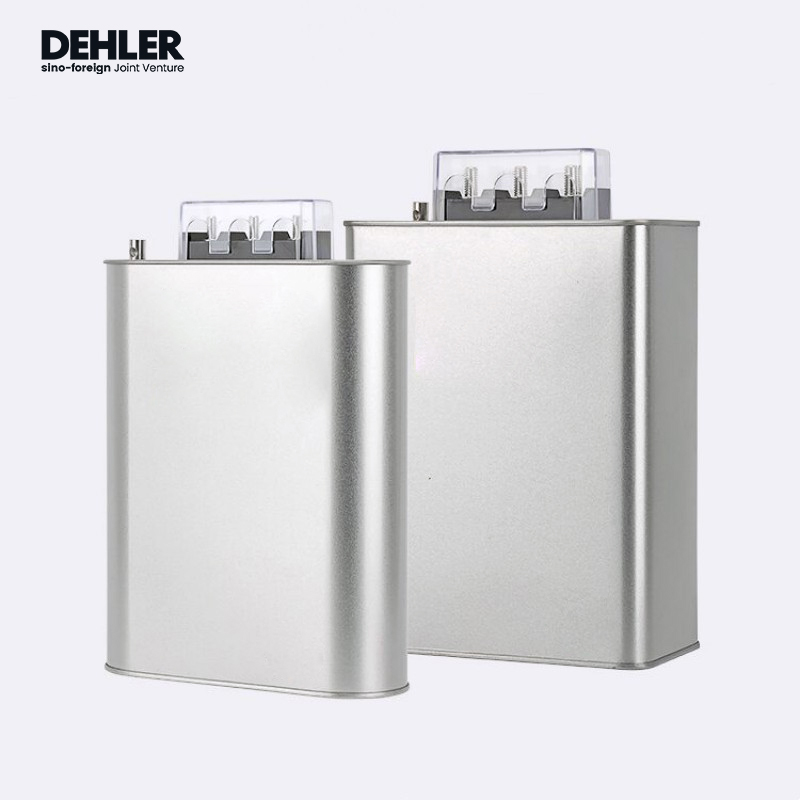
Small size and light weight: Significantly reduced in size and weight compared to older capacitors.
Long service life: Due to its self-healing function and low loss characteristics, it has a long service life.
Rated Voltage: The rated voltage of the capacitor should not be lower than the highest operating voltage of the power grid, with an appropriate safety margin.
Ambient Temperature: Pay attention to the impact of ambient temperature on the capacitor's lifespan; avoid prolonged operation at excessively high temperatures.
Installation Space: It should be installed in a well-ventilated location with convenient heat dissipation.
Grounding: Grounding should be performed during installation.