 Dehler
Dehler
Dehler
Choosing the right Ring Main Unit Cabinet is crucial for any electrical setup. This equipment plays a vital role in the distribution of electricity, serving as a key component in various applications. With so many options available, selecting the most efficient cabinet requires careful consideration.
A well-chosen Ring Main Unit Cabinet can enhance connectivity and improve system reliability. It should meet specific standards while also being cost-effective. Factors such as size, material quality, and ease of installation all play a significant role. Yet, many overlook these details, leading to potential issues down the line.
Being informed about each option empowers engineers and decision-makers. A clear understanding of the features and configurations available can lead to improved performance. Reflecting on past experiences and learning from mistakes can greatly aid in making the best choice. Ultimately, this decision impacts both efficiency and safety in electrical systems.
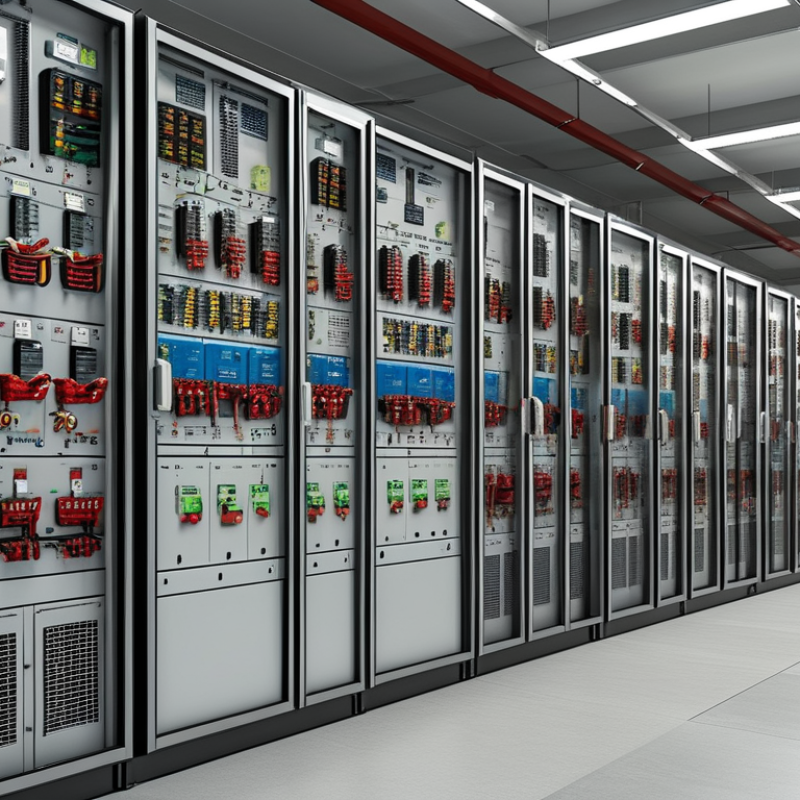
A Ring Main Unit (RMU) cabinet plays a crucial role in electrical distribution systems. Its primary purpose is to connect and manage electrical power supply in a safe and efficient manner. As per the International Electrotechnical Commission (IEC), RMUs must meet specific standards for safety, reliability, and functionality. These cabinets are essential in ensuring continuity of service in utilities and large commercial setups.
Choosing an RMU cabinet requires understanding its specifications and applications. It's important to assess the environmental conditions it will face. For instance, outdoor RMUs must withstand various weather conditions, making robust design and materials vital. Statistics indicate that around 30% of electrical failures are linked to poor installation and maintenance. Hence, quality and standard compliance cannot be overlooked.
When selecting an RMU cabinet, consider factors such as capacity and configuration. A thorough evaluation can prevent costly mistakes. Some installations reveal inadequate space utilization or inefficient layouts. This leads to operational inefficiencies. Consulting with industry experts or technical reports can provide valuable insights. Adopting a meticulous approach ensures better performance and longevity of the RMU system.
| Tip Number | Tip Description | Key Considerations | Common Use Cases |
|---|---|---|---|
| 1 | Determine Your Power Needs | Understand the voltage and current requirements | Industrial facilities or large commercial buildings |
| 2 | Assess the Environment | Consider humidity, temperature, and dust levels | Outdoor installations or harsh environments |
| 3 | Select the Right Configuration | Choose between ring or radial configurations | Urban infrastructure or large campuses |
| 4 | Evaluate Safety Standards | Ensure compliance with local and international safety regulations | All installations |
| 5 | Consider Maintenance Requirements | Evaluate the ease of access for maintenance | Facilities with limited maintenance windows |
| 6 | Think About Future Expansion | Select units that allow for future upgrades | Growing businesses or industries |
| 7 | Check for Compatibility | Ensure compatibility with existing systems | Retrofits and system upgrades |
| 8 | Review Manufacturer Reputation | Research the manufacturer's history and quality | All installations |
| 9 | Inquire About Warranty | Understand the warranty period and coverage | All installations |
| 10 | Consult with Professionals | Engage with electrical engineers or consultants | Complex installations |
: It connects and manages electrical power supply safely and efficiently.
Proper selection prevents costly mistakes and enhances system performance.
About 30% of electrical failures stem from inadequate installation and maintenance.
Consider capacity, configuration, environmental conditions, and material quality.
Improper sizing may cause overheating and operational inefficiencies.
Corrosion-resistant materials significantly improve durability and longevity.
Easily accessible units reduce downtime and improve operational reliability.
Cheaper RMUs may have higher long-term maintenance costs due to quality.
They can reduce energy losses by up to 15%, leading to greater savings.
Weigh the long-term reliability and performance against initial costs.
When selecting a Ring Main Unit Cabinet, it is crucial to understand its core purpose, primarily to ensure the efficient distribution of electrical energy while maintaining safety standards. Key features to consider include the cabinet's functionality, ease of access, and safety mechanisms to mitigate potential hazards.
Size and capacity requirements are equally important; ensure the cabinet can accommodate your specific electrical needs without compromising space. Additionally, evaluating material quality and durability will impact the longevity of the cabinet, making it a critical factor in your decision-making process. Finally, compare cost versus value to ensure that you are making a sound investment, balancing your budget constraints with the features and longevity of the Ring Main Unit Cabinet.
