
Dehler
In modern power systems, reliability is crucial. One component that enhances this reliability is the Drop-Out Fuse. This essential device protects electrical circuits from overloads and short circuits. Experts like Dr. Samantha Green, a leading authority in power system design, emphasize its importance: "A Drop-Out Fuse is vital for ensuring safety and stability in our energy distribution networks."
The functionality of a Drop-Out Fuse is simple yet effective. It disconnects the circuit when excessive current flows. This action prevents damage to equipment and ensures uninterrupted service. Dr. Green notes, “The swift response of this fuse can save utilities both time and costs.” However, not all systems utilize this technology efficiently. Some installations may overlook its benefits.
Proper implementation requires close attention. Evaluating the right locations for Drop-Out Fuses can be challenging. From overhead lines to substations, the needs vary widely. Consequently, power systems must adapt to provide reliable service. A Drop-Out Fuse offers many advantages, but its effectiveness depends on thoughtful application. Understanding its role is essential for any power professional.
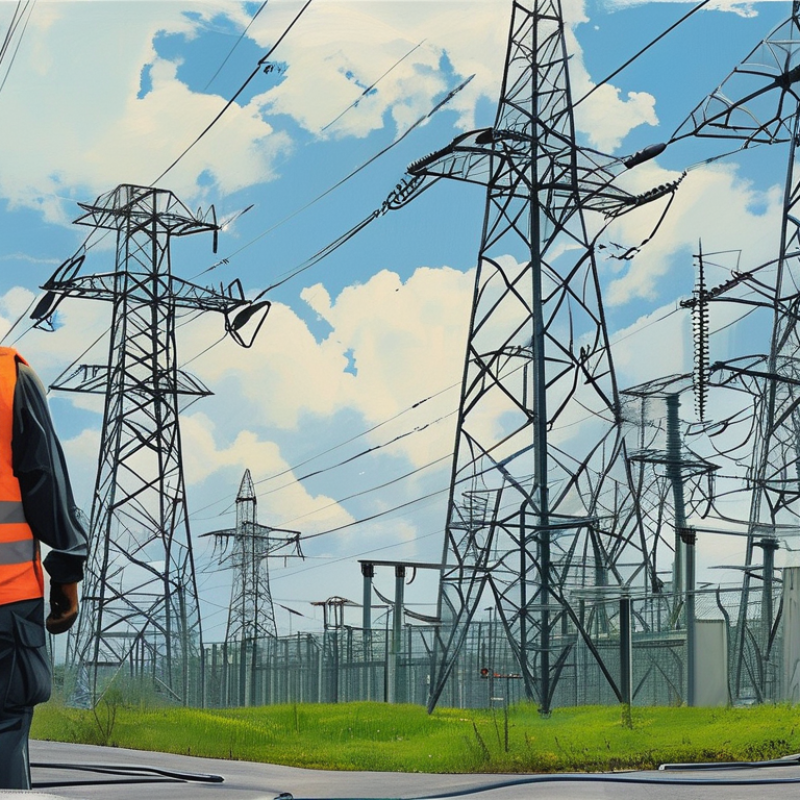
A drop-out fuse is a safety device used in power systems for protection against overcurrents. It operates by disconnecting a faulty circuit while remaining operational in fault-free sections. This functionality is crucial, particularly in distribution networks, where equipment protection is paramount. According to the Institute of Electrical and Electronics Engineers (IEEE), drop-out fuses can improve system reliability by reducing outage times by up to 30%.
Drop-out fuses typically consist of a fuse element, which melts under excessive current, and a pulley or spring mechanism allowing the fuse to drop out from its holder. As a result, maintenance and restoration can happen rapidly. Research from the Electric Power Research Institute (EPRI) indicates that using drop-out fuses can lower overall service interruptions by 25%, highlighting their effectiveness in enhancing grid resilience.
However, usage of drop-out fuses isn’t without challenges. They may not provide adequate protection in low-current fault scenarios or when subjected to environmental stresses. While manufacturers report high reliability rates, operators must regularly test and maintain these devices to ensure optimal performance. This aspect adds complexity to the maintenance processes, embracing a need for ongoing evaluation and adaptability in deployment strategies.
Drop-out fuses play a crucial role in enhancing electrical safety and reliability. These devices provide a simple and effective method to protect power systems from overloads and faults. According to industry reports, nearly 90% of electrical failures in distribution systems stem from insulation failure or short circuits, making drop-out fuses an essential consideration. They are strategically designed to "drop out" from the circuit, isolating the fault and minimizing equipment damage.
Using drop-out fuses improves system resilience. They can reduce outage time significantly during faults. A study from the Institute of Electrical and Electronics Engineers (IEEE) found that proper application of drop-out fuses can lower outage durations by up to 30%. This translates to fewer service interruptions for consumers and enhanced system reliability overall. High-voltage networks benefit notably from these fuses as they ensure safety without requiring complex monitoring systems.
While drop-out fuses are effective, they are not without limitations. They may be less responsive in specific fault conditions, leading to potential equipment damage. Moreover, in some scenarios, environmental factors like extreme temperatures can affect their performance. Continuous evaluation and testing are necessary to improve these devices. Despite their drawbacks, drop-out fuses remain a vital component in modern power systems, ensuring a balance between safety and efficiency.
| Feature | Description | Benefit |
|---|---|---|
| Design | Simple and reliable mechanism that disconnects in case of overload. | Reduces potential equipment damage by disconnecting quickly. |
| Current Ratings | Available in various current ratings to suit different applications. | Flexibility in selecting the appropriate fuse for specific operational needs. |
| Safety | Designed to prevent arching and provide a safe disconnection. | Enhances electrical safety for maintenance personnel and equipment. |
| Installation | Easily installed in existing systems without extensive modifications. | Cost-effective solution for upgrading electrical systems. |
| Maintenance | Requires minimal maintenance due to its robust design. | Reduces downtime and operational costs associated with repairs. |
When installing drop-out fuses in electrical distribution systems, attention to detail is critical. These fuses are designed for high-voltage applications. Proper placement ensures effective disconnect during faults. Start by selecting locations that are easily accessible. This aids in maintenance and future inspections.
The installation begins with power shut-off. A qualified technician should conduct this process. The fuse assembly must be securely mounted on the pole or structure. Ensure that the alignment is correct, which can minimize stress on the components. Verify that the contact points are clean and free from corrosion. This step improves reliability.
It's important to double-check all connections after installation. Loose or dirty connections can lead to failures. Technicians may need to reassess the system periodically. This ongoing evaluation enhances safety and performance. Keep in mind that even well-installed fuses can fail under specific conditions. Identifying these risks is beneficial for long-term maintenance strategies.
Drop-out fuses are gaining attention for their effectiveness in power systems. Unlike traditional fuses, which require manual replacement after a fault, drop-out fuses automatically disconnect during overload or short-circuit situations. This feature enhances safety and reduces downtime in electrical networks. According to a 2021 industry report, systems using drop-out fuses can reduce outage times by up to 30%.
When comparing drop-out fuses to traditional fuses, the differences are striking. Traditional fuses can be slow to react, leading to unnecessary damage. In specific tests, traditional fuses had an average response time of 0.5 seconds, while drop-out fuses typically responded in under 0.1 seconds. This rapid action minimizes risks of equipment failure. However, organizations must be cautious with implementation. Improper installation can lead to failures, raising questions about reliability.
In terms of operational costs, drop-out fuses may have a higher initial purchase price. However, their long-term benefits often outweigh these costs. Maintenance expenses are often lower because they require less frequent replacements. Some studies suggest that businesses can save up to 20% in maintenance costs over five years. Despite these benefits, careful analysis is needed to ensure they fit specific applications.
When maintaining drop-out fuses, regular inspection is crucial. Check the physical condition of each fuse. Look for signs of wear or damage. A small crack may cause failure later. Ensuring that the terminals are clean can prevent poor connections. Corrosion can compromise performance. Keep an inspection schedule. Documentation helps track any issues.
Testing the fuses periodically is also essential. Use appropriate testing equipment to measure continuity and functionality. A fuse that fails during testing needs replacement. Regular checks can indicate trends. If a specific fuse fails frequently, there may be larger concerns within the system. Always analyze why this might be happening.
Training personnel is vital in ensuring effective maintenance. Staff should know how to handle drop-out fuses safely. They should understand the risks involved. A poorly executed inspection could lead to dangerous situations. Engage with industry resources to stay updated. Knowledge on common problems can significantly enhance reliability.
: A drop-out fuse is a safety device in power systems that disconnects faulty circuits during overloads.
They reduce outage times by up to 30%, which enhances the overall reliability of electrical networks.
It consists of a fuse element that melts under excessive current and a mechanism for dropping it from its holder.
Not always. They may struggle with low-current faults or extreme environmental conditions.
Regular testing ensures optimal performance and reduces the risk of failures in power systems.
Drop-out fuses respond faster, typically under 0.1 seconds, while traditional fuses can take 0.5 seconds to react.
They might have higher initial costs, but lower maintenance expenses often make them cost-effective over time.
They may be less responsive in certain fault conditions and can be affected by environmental factors, requiring careful evaluation.
By isolating faults quickly, they minimize damage and improve safety in power distribution systems.
Proper installation is crucial; failures can occur if they are incorrectly deployed in a power system.
A Drop-Out Fuse is a crucial component in power systems, designed to ensure the safe and reliable distribution of electrical energy. It functions by disconnecting the circuit in the event of an overload or fault, thereby protecting the electrical infrastructure. The use of Drop-Out Fuses offers significant advantages, including enhanced electrical safety and improved system reliability, making them a preferred choice over traditional fuses.
The installation process of Drop-Out Fuses in electrical distribution systems is straightforward, but it requires adherence to specific guidelines to ensure optimal performance. Additionally, a comparative analysis highlights the superior characteristics of Drop-Out Fuses compared to traditional fuses, emphasizing their effectiveness in safeguarding against electrical failures. Regular maintenance and inspection are essential practices to ensure these fuses operate efficiently over time, ultimately contributing to the overall resilience of the power supply system.
