
Dehler
In an age where electrical systems are integral to our daily lives, the need for protection is paramount. An Electrical Arrester stands as a sentinel against voltage surges. Renowned expert Dr. Neil Anderson emphasizes, "Using an Electrical Arrester is a crucial step in safeguarding sensitive equipment." This quote encapsulates the essence of why these devices are essential.
Electrical Arresters are designed to divert excessive voltage away from your appliances. They provide a physical barrier against surges caused by lightning or switching events. The technology behind these devices has evolved, but the core purpose remains unchanged. Installing an Electrical Arrester can prevent costly damages and potential hazards.
Inadequate protection can lead to equipment failure or safety risks. Many underestimate the necessity of an Electrical Arrester until an unexpected surge occurs. As we invest in electronics, understanding how to protect them should be a priority. The safety and efficiency of our electrical systems depend on reliable solutions like Electrical Arresters.
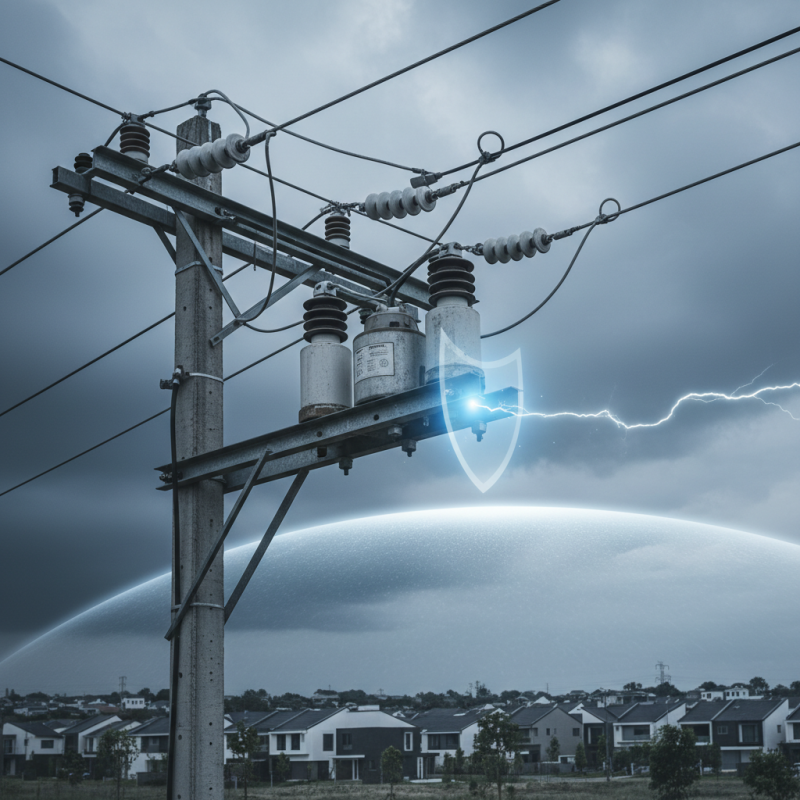
Electrical arresters play a crucial role in enhancing safety and reliability. They protect electrical systems from voltage spikes caused by lightning or switching events. According to IEEE standards, a properly installed arrester can reduce equipment damage by up to 90%. This statistic highlights the significant protection these devices provide.
The integration of electrical arresters can greatly enhance the lifespan of electrical equipment. A recent report from the International Energy Agency suggests that facilities using arresters experience fewer outages and lower maintenance costs. This is vital as unplanned outages can cost companies thousands of dollars, not to mention the potential safety hazards involved.
However, it's essential to recognize that improper installation or insufficient awareness can lead to failures. Some studies indicate that up to 30% of arresters may be mistakenly installed, reducing their effectiveness. Continuous training and regular inspections are critical in mitigating these risks. Ensuring reliability in electrical systems means addressing not only technology but also knowledge gaps.
When considering electrical protection, understanding varistors and surge protectors is essential. Varistors serve as voltage-dependent resistors. They clamp excess voltage by changing resistance, thus protecting circuits from surges. They can absorb energy spikes caused by lightning or power supply issues. By using a varistor, you help prevent equipment damage, extending its lifespan.
Surge protectors, on the other hand, redirect excess voltage to the ground. They are designed to handle transient surges. Many devices use surge protectors as a first line of defense. However, not all surge protectors offer the same level of protection. You should choose the correct rating based on your needs. It’s vital to consider the response time and energy absorption capacity.
In practice, choosing between these options can be tricky. Varistors wear out with repeated surges, while surge protectors may not be as effective for sustained high voltages. Both have limitations and need regular checks. Understanding your requirements helps ensure appropriate protection.
When it comes to protecting your electrical systems, an electrical arrester is a key component. Understanding industry standards is essential. Compliance with IEC and IEEE requirements ensures that these arresters provide reliable performance. These standards specify design, testing, and operational guidelines. Using compliant devices reduces risks significantly.
Tips: Always verify that your arrester meets relevant standards before installation. Check the certification labels.
Electrical arresters must handle specific voltage levels and test conditions. This guarantees that they will perform effectively during surges. Failure to comply with these norms could compromise safety. It’s also crucial to consider the environment where the arrester will be used. Factors like temperature and humidity impact performance.
Tips: Regular maintenance checks can identify potential issues early. Look for physical damage or signs of wear.
Choosing an arrester that meets regulatory standards protects both your investment and safety. However, it's important to remember that not all devices are created equal. Always consult with a professional who understands local regulations and requirements. This knowledge ensures you make informed decisions regarding your protection needs.
Surge events pose a real threat to electrical equipment and infrastructure. According to the Electrical Research Institute, surge events occur at an alarming rate. In fact, about 80% of electrical equipment failures are linked to transient surges. These surges can result from lightning strikes, power fluctuations, or even errors in the electrical grid. The impact can be costly, with downtime affecting businesses dramatically.
The National Fire Protection Association reports that electrical surges may lead to annual losses exceeding $100 billion in property damage. A surge can damage sensitive components within milliseconds, often without any visible signs. Protective equipment is essential. It helps to mitigate these risks, ensuring longevity and reliability in electrical systems.
Investing in electrical arresters can significantly reduce potential losses. The IEEE emphasizes that proper surge protection can cut equipment downtime by up to 50%. Despite this, many still overlook the importance of these devices. The statistics highlight a weak link in infrastructure. Organizations must prioritize surge protection to safeguard their assets and avoid costly disruptions.
| Surge Event Type | Frequency (per year) | Average Cost of Damage ($) | Affected Equipment (% of total) |
|---|---|---|---|
| Lightning Strikes | 20 | 30,000 | 55% |
| Power Surges | 50 | 5,000 | 70% |
| Equipment Malfunctions | 30 | 10,000 | 40% |
| Utility Switching | 15 | 12,000 | 30% |
| Transient Voltage Events | 25 | 8,000 | 50% |
When it comes to choosing protection solutions, cost-effectiveness is critical. An electrical arrester is one solution that provides long-term savings. It safeguards equipment from voltage spikes and surges. A single surge can damage sensitive devices, leading to costly repairs or replacements. Investing in an arrester may seem pricey initially, but it can prevent these types of expenses.
Many underestimate the financial impact of electrical surges. Without proper protection, businesses can face downtime and lost revenues. The installation of an electrical arrester maintains operational continuity. This proactive approach reduces unexpected costs. Maintenance also becomes easier and less frequent, contributing to overall savings.
Additionally, consider the lifespan of your equipment. Regular spikes can significantly shorten it. By implementing protective measures, you enhance longevity and reliability. However, some might question the initial investment. It’s essential to weigh these costs against potential losses. Every facility has unique needs, and not choosing protection can lead to regrets. Evaluating your options wisely is critical for financial sustainability.
: Electrical arresters protect systems from voltage spikes and surges.
Compliance ensures reliable performance and reduces risks during electrical surges.
Regular maintenance checks help identify potential issues early.
Temperature and humidity significantly impact the performance of an arrester.
Surges can lead to failures and costly downtime, affecting business operations.
Without protection, businesses face high repair costs and lost revenues.
Yes, they help maintain equipment longevity by preventing damage from surges.
Many overlook the importance of installing arresters, risking costly damages.
With proper protection, maintenance becomes less frequent and easier.
Weigh the initial investment against potential future losses from surge events.
Electrical arresters play a crucial role in enhancing the safety and reliability of electrical systems. They provide effective protection against voltage surges, thereby safeguarding valuable equipment and infrastructure from damage. By understanding the different types of electrical arresters, such as varistors and surge protectors, users can make informed choices that best suit their protection needs.
Compliance with industry standards such as IEC and IEEE ensures that electrical arresters meet essential safety and performance requirements. Moreover, statistics on surge events highlight the increasing risks faced by electrical systems, emphasizing the importance of investing in proper protection solutions. In addition to enhancing safety, electrical arresters can offer cost-effectiveness over time, as they help mitigate repair and replacement costs associated with surge damage, ultimately leading to long-term savings.
