Isolation switches play a crucial role in ensuring safety and reliability in electrical systems. According to the Global Electric Isolation Switch Market Report, the industry is projected to grow at a compound annual growth rate (CAGR) of 5.2% from 2021 to 2026. This growth highlights the increasing demand for efficient electrical isolation in various sectors, including industrial, commercial, and residential applications.
As buyers navigate their options, understanding the features of different isolation switches becomes vital. Notably, isolated switches must meet specific international standards for safety and performance. For example, in high-voltage applications, adherence to IEC 60947-3 is essential. However, not all products on the market maintain these standards, leading to potential risks.
Buyers should critically evaluate the specifications and certifications of isolation switches. Poor quality products can result in failures or hazards. Moreover, customers often face challenges in selecting the right model. Thus, informed choices based on reliable data and expert recommendations can lead to better outcomes. Investing time in research will ensure greater safety and efficiency in electrical systems.
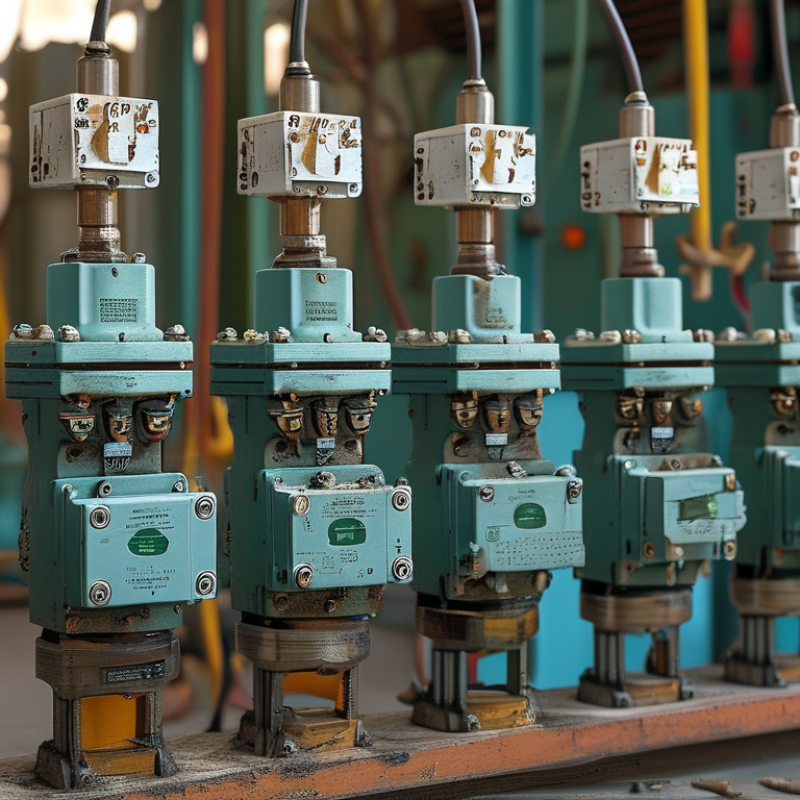
Overview of Isolation Switches in the Global Market
Isolation switches play a crucial role in electrical systems worldwide. They ensure safety by disconnecting circuits during maintenance or emergency situations. The global market for these devices is expanding, driven by increasing demands for reliable energy solutions. Countries are upgrading their electrical infrastructures, which boosts isolation switch sales.
In recent years, various types of isolation switches have emerged. For instance, rotary disconnect switches are widely used in industrial settings. Their design allows for quick and safe disconnection. Meanwhile, there is a growing interest in smart isolation switches. These offer improved monitoring capabilities and enhanced control.
Despite advancements, challenges remain. The market faces issues like maintenance needs and compatibility with existing systems. Buyers must carefully consider their specific requirements. Assessing local regulations is equally important. Ignoring these factors can lead to significant problems in installation and usage. In the evolving landscape, staying informed about these aspects is crucial for making sound purchasing decisions.
Key Features to Consider When Choosing Isolation Switches
When selecting isolation switches, several key features should be carefully evaluated. Firstly, the voltage rating is critical. A higher voltage rating ensures safe operation in various environments. According to industry reports, nearly 40% of electrical failures stem from inadequate voltage ratings. Buyers need to prioritize switches capable of handling their specific voltage requirements.
Durability stands out as another important consideration. Isolation switches often endure harsh conditions. Look for materials resistant to corrosion and environmental stress. A report from the International Electrotechnical Commission indicates that switches with enhanced durability can last 30% longer than standard ones. This longevity translates into cost savings over time.
The ease of operation also impacts safety and efficiency. Simple designs promote better accessibility for maintenance and emergency situations. User feedback frequently highlights the need for intuitive mechanisms. A switch that is complicated may lead to operational errors, compromising safety. Balancing these features can be challenging, yet it is necessary for optimal performance. Consider conducting thorough evaluations to determine the best fit for your needs.
2026 Best Isolation Switch Options for Global Buyers
| Model |
Current Rating (A) |
Voltage Rating (V) |
Pole Configuration |
Enclosure Type |
Key Features |
| ISW-1000 |
100 |
600 |
Single |
IP67 Rated |
Durable, Compact Design |
| ISW-2000 |
200 |
690 |
Double |
NEMA 4X |
High Performance, Easy Maintenance |
| ISW-3000 |
300 |
400 |
Triple |
Weatherproof |
Long Lifespan, Shock Resistant |
| ISW-4000 |
400 |
230 |
Four |
Metal Enclosure |
Highly Reliable, Low Maintenance |
Top Brands of Isolation Switches for International Buyers
Isolation switches are critical in electrical systems. They ensure safety during maintenance and troubleshooting. Choosing the right brand can greatly reduce risks in operations. Various international brands have set benchmarks in quality and performance. Their products offer reliability and long-lasting durability, catering to diverse market needs.
When considering top brands, look for those with a solid reputation and extensive experience. A brand that invests in research and development is often more innovative. Many buyers overlook the importance of after-sales support. Effective customer service can make a difference during installation or repairs. Also, some brands don't prioritize sustainability in their manufacturing processes. This could reflect poorly on their overall environmental impact.
Assessing various options helps in making informed choices. It's crucial to understand your specific needs before opting for any model. Market trends shift, and brands may evolve. Staying updated on new technologies is essential. Some products might have limitations that require careful evaluation. Ultimately, reliable information and expert insights can guide international buyers toward the best isolation switch options.
Comparison of Isolation Switch Types and Their Applications
Isolation switches are essential in electrical systems, ensuring safe operation and maintenance. There are various types of isolation switches, each with distinct applications. The three main types are knife switches, rotary switches, and disconnect switches. According to industry data, knife switches offer a visible break, making them ideal for low-voltage applications. In contrast, rotary switches are often used in applications requiring a compact design.
Different isolation switches have their advantages and disadvantages. Knife switches can be bulky, while rotary switches are less visible and may not provide adequate isolation. Disconnect switches, typically installed in high-voltage environments, are designed for safety. However, they can become costly and may require more maintenance over time. A recent report indicated that the disconnect switch market is projected to grow by 5% annually until 2027 due to increasing industrial automation.
The selection of an appropriate isolation switch hinges on application requirements. A critical factor to consider is the environment, such as humidity and dust levels. For instance, rotary switches may not perform well under extreme conditions. However, if protected adequately, they can serve effectively in controlled settings. Understanding these nuances is important for making informed choices in system design and safety.
2026 Best Isolation Switch Options Comparison
Future Trends in Isolation Switch Technology and Buyers' Needs
Isolation switch technology is evolving rapidly. Buyers now seek switches that enhance safety, reliability, and performance. As industries prioritize efficiency, the demand for advanced features increases. Buyers need robust isolation switches that can handle high voltages and currents. Compact designs are also essential for modern applications.
Future trends indicate a shift toward smart technology. Remote monitoring capabilities are becoming standard. This allows users to track performance in real-time. Advanced diagnostics can help predict failures before they occur. Buyers should consider these features critical for reducing maintenance costs.
Sustainability is another emerging need. Eco-friendly materials and energy-efficient designs are vital. Users must reflect on their choices to align with global sustainability goals. There’s a growing interest in integrating isolation switches with renewable energy systems. However, some buyers might overlook compatibility issues. Investing time to evaluate compatibility is necessary for future-proof solutions.
FAQS
: The three main types are knife switches, rotary switches, and disconnect switches.
Knife switches provide a visible break and are suitable for low-voltage applications.
Rotary switches are compact and useful in applications that require minimal space.
Knife switches can be bulky and may not fit all design requirements.
Disconnect switches enhance safety in high-voltage environments but may incur higher costs.
Factors like humidity and dust can impact how well rotary switches perform in certain conditions.
Smart technology and remote monitoring capabilities are becoming more common.
Buyers should consider eco-friendly materials and energy-efficient designs to meet global sustainability goals.
Compatibility with existing systems is crucial to avoid performance issues.
They can predict failures, helping to reduce maintenance costs significantly.
Conclusion
Isolation switches play a crucial role in the global electrical market, providing essential safety measures for various applications. When selecting an isolation switch, buyers should consider key features such as voltage rating, current capacity, ease of operation, and environmental compatibility, which directly affect the switch's reliability and functionality.
The article outlines various types of isolation switches, highlighting their specific applications across different sectors. Additionally, it discusses emerging trends in isolation switch technology, emphasizing the need for enhanced safety and efficiency to meet evolving market demands. Understanding these aspects will aid international buyers in making informed decisions that align with their operational requirements.
 Dehler
