 Dehler
Dehler
Dehler
The integration of an Isolator Substation can significantly enhance project efficiency and safety. According to John Smith, a leading expert in energy systems, "An Isolator Substation ensures a seamless transition between power sources and load.” This statement underscores the critical role these substations play in modern energy management.
Isolator Substations are vital for isolating different sections of the power grid. They prevent potential hazards and allow for maintenance without disrupting the entire system. By using these substations, project managers can optimize workflow and reduce downtime during necessary repairs.
While the benefits are clear, there are challenges associated with implementing an Isolator Substation. The initial setup costs can be high, and selecting the right technology requires careful consideration. Additionally, the lack of expertise in some teams may result in misjudgments during installation. These factors suggest that while Isolator Substations offer tremendous advantages, they also require thorough planning and skilled oversight.
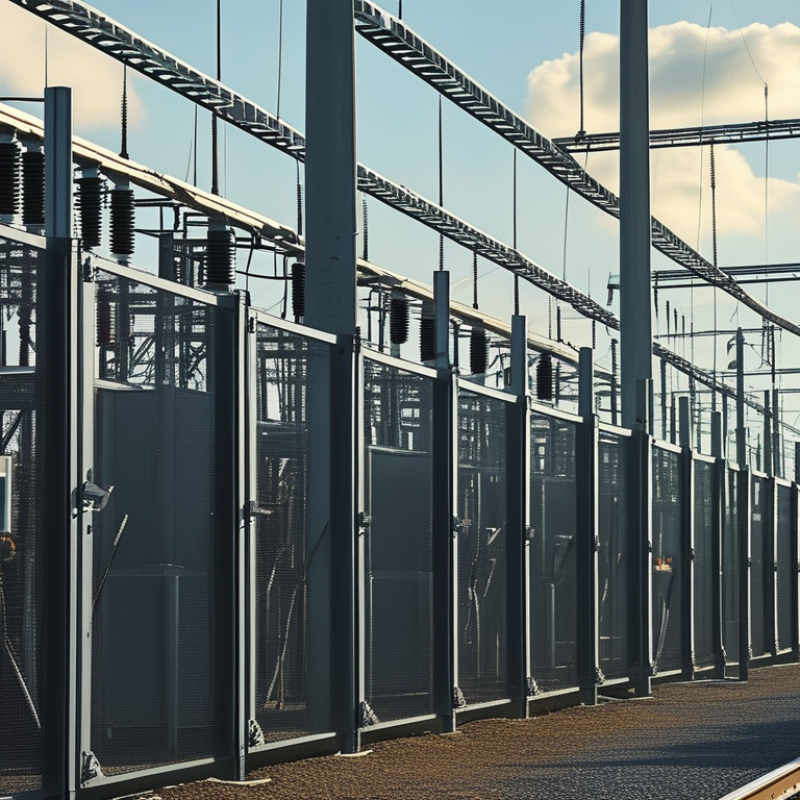
Isolator substations play a crucial role in electrical systems. They provide a safe point for isolating equipment for maintenance and protection. This ensures that power transmission is stable while minimizing risks. These substations typically consist of isolators and circuit breakers, allowing easy control of the electrical flow. They prevent fault conditions from propagating in the network.
One important tip is to assess the installation site carefully. Ensure the area is accessible for maintenance. Poor access can lead to delays and higher costs. Additionally, consider the local climate. Extreme weather can affect performance, so choose robust materials for your isolator substation.
Another consideration is to involve experienced engineers in the design phase. Their expertise can ensure the substation meets all operational requirements. However, relying solely on past projects may lead to missed innovations. Technology evolves, and what worked before may not be ideal today. Always seek fresh insights from multiple sources to create a more effective solution.
| Benefit | Description |
|---|---|
| Improved Safety | Isolator substations enhance safety by isolating parts of the electrical system, reducing risks during maintenance. |
| Flexibility | They provide flexibility for future expansions or modifications to electrical systems without major overhauls. |
| Cost Efficiency | By reducing downtime and maintenance costs, isolator substations can lead to significant cost savings over their lifespan. |
| Reliable Performance | These substations ensure reliable performance and continuity of service, minimizing disruptions in electrical supply. |
| Enhanced Control | Isolators offer better control over the electrical distribution network, allowing for precise management of power flow. |
| Ease of Maintenance | Maintenance becomes easier since the isolation feature allows certain sections to be worked on without affecting the entire system. |
: They provide a safe point for isolating equipment during maintenance and protect the electrical network.
A good site ensures accessibility for maintenance, which can minimize delays and costs.
They isolate network sections, reducing risks during maintenance and preventing faults from spreading.
Over 20% of workplace accidents occur due to insufficient isolation protocols during maintenance tasks.
Yes, proper use can reduce electrical fire incidents by over 30%, according to safety reports.
High initial costs and inadequate training can impede their effective use and safety advantages.
They enhance project timelines by reducing costly downtime and allowing quick isolation of issues.
Staff may require additional training, which can momentarily slow progress on projects.
Their expertise ensures the substation meets operational requirements and fosters innovative solutions.
Materials must be robust to withstand local climate conditions, affecting performance and longevity.
Isolator substations play a crucial role in modern electrical projects by ensuring efficient power distribution and enhancing safety. These specialized structures function to isolate portions of the electrical network, allowing for maintenance and operational flexibility without interrupting the entire system. The implementation of isolator substations offers key advantages, including improved cost efficiency, as they can significantly reduce operational expenses and downtime, thereby enhancing the overall financial viability of projects.
Moreover, the use of isolator substations contributes to increased safety by mitigating risks associated with electrical faults and ensuring a secure work environment for personnel. The strategic incorporation of these substations can also lead to a more streamlined project timeline and improved operational efficiency, as they facilitate quicker responses to changes in project requirements. In summary, isolator substations are a valuable investment for any electrical project, delivering substantial benefits across various dimensions.
