 Dehler
Dehler
Dehler
In the world of global procurement, Rmu Switchgear stands out as an essential component. This electrical solution is designed to enhance safety and reliability in power distribution systems. Its compact design and innovation make it a preferred choice among industries.
Rmu Switchgear is not only efficient but also cost-effective. It minimizes downtime and boosts operational efficiency. Many organizations have reported improved performance with its reliable features. However, challenges in sourcing high-quality switchgear persist. Companies must consider the supplier's reputation and product certification. These factors ensure long-term reliability and compliance with various standards.
Procurement decisions regarding Rmu Switchgear require careful evaluation. Potential buyers must balance cost and quality. Exploring vendor options and examining their track records can lead to better choices. Fostering strategic partnerships with reputable suppliers may yield significant benefits. Enhanced communication with stakeholders is also crucial during procurement. This approach maximizes the advantages of Rmu Switchgear, ensuring a robust energy infrastructure.
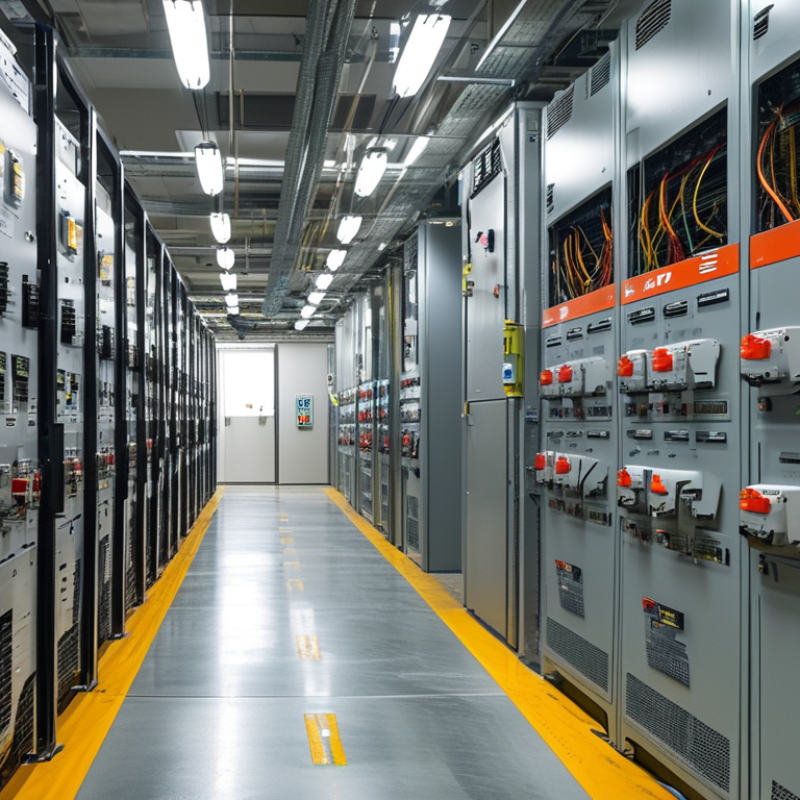
RMU switchgear, or Ring Main Unit switchgear, plays a vital role in modern electrical distribution systems. These units are designed for medium voltage applications. They ensure reliability and safety in urban and industrial settings. According to industry reports, the global demand for RMU switchgear is expected to grow by over 6% annually between 2023 and 2028. This highlights their importance in meeting rising energy needs.
Key features of RMU switchgear include compact design, enhanced safety mechanisms, and the ability to operate in diverse environments. Their modular construction allows for easy maintenance and scalability. Additionally, they offer improved fault isolation, which minimizes the impact of outages. Reports indicate that installations utilizing RMUs can reduce maintenance costs by approximately 20%. However, it’s crucial to ensure proper training for operators to avoid mishandling.
In an increasingly connected world, RMU switchgear can adapt to smart grid technologies. They can accommodate future advancements, such as digital monitoring systems. This adaptability makes them essential in sustainable energy strategies. Yet, challenges remain in standardization across regions. Ensuring uniform quality and reliability is a hurdle the industry must address.
| Feature | Description | Benefits |
|---|---|---|
| Compact Design | Reduces footprint in substations and facilities. | Saves space and allows for flexibility in installations. |
| Enhanced Safety | Incorporates insulation and arc protection mechanisms. | Reduces risks of electrical hazards and enhances operator safety. |
| Modular Design | Can be customized and expanded as needed. | Provides flexibility for future upgrades and expansions. |
| Low Maintenance | Designed for reliability with fewer components. | Reduces total cost of ownership and operational downtime. |
| Environmental Resistance | Constructed to withstand harsh weather conditions. | Ensures long-lasting performance in various environments. |
: Global procurement helps organizations source quality materials from diverse suppliers. It enhances efficiency and minimizes costs.
RMU switchgear is vital due to its operational reliability. Inconsistent performance can lead to significant failures in networks.
Evaluate suppliers based on their track record, certifications, and client feedback. This ensures product quality and reliability.
RMU switchgear has built-in protection features like circuit breakers. These features significantly reduce risks of electrical faults.
Integrating RMU switchgear can reduce operational costs by up to 30%. Its compact design minimizes installation and civil work costs.
RMU switchgear reduces energy losses by about 15%, lowering carbon emissions. This supports global sustainability goals and environmental commitments.
Initial costs and the need for specialized training can hinder switchgear adoption. Resistance to change may also occur among staff.
Invest time in understanding each supplier's strengths and weaknesses. This knowledge facilitates better decision-making and trust-building.
Careful planning is essential. Balance cost savings with operational changes for long-term benefits, requiring reflection and adjustment.
Flexibility allows for improved outcomes. However, constant reflection is needed to adapt to market dynamics effectively.
RMU switchgear plays a crucial role in modern electrical infrastructure by offering a compact, reliable solution for distribution and control of electrical power. Its key features include enhanced safety measures, flexibility in deployment, and ease of maintenance, making it suitable for various applications across industries. The importance of global procurement in sourcing RMU switchgear cannot be overstated, as it allows for the integration of innovative technologies and cost-effective solutions while meeting local compliance standards.
The advantages of RMU switchgear extend beyond functionality; they encompass cost efficiency and sustainability benefits, which are vital in today’s environmentally conscious market. By optimizing resource usage and reducing waste, RMU switchgear contributes to overall sustainability efforts. However, global sourcing also presents challenges, such as quality assurance and logistical considerations, which must be addressed to maximize its benefits. Embracing RMU switchgear can significantly enhance the robustness and efficiency of electrical systems worldwide.
