
Dehler Dehler

2026 Top Electrical Disconnector Trends What Buyers Need to Know?

Time:2026-06-28 Author:Amelia
0%

In the ever-evolving landscape of electrical components, the role of the Electrical Disconnector is pivotal. With advancements in technology and changing regulations, buyers need to stay informed about upcoming trends. Understanding these trends can make a significant difference in purchasing decisions.

Electrical Disconnectors are essential for safe electrical systems. They help isolate electrical circuits to prevent hazards. As we approach 2026, various factors will influence these devices. Innovations in design, materials, and energy efficiency are at the forefront. It's crucial for buyers to grasp these developments to ensure they make informed decisions.

However, not every trend may suit all applications. Some new technologies might introduce complexities. Buyers should weigh the pros and cons carefully. It's essential to rely on expert analysis and reliable data when evaluating options. By doing so, buyers can navigate the future of Electrical Disconnectors effectively.
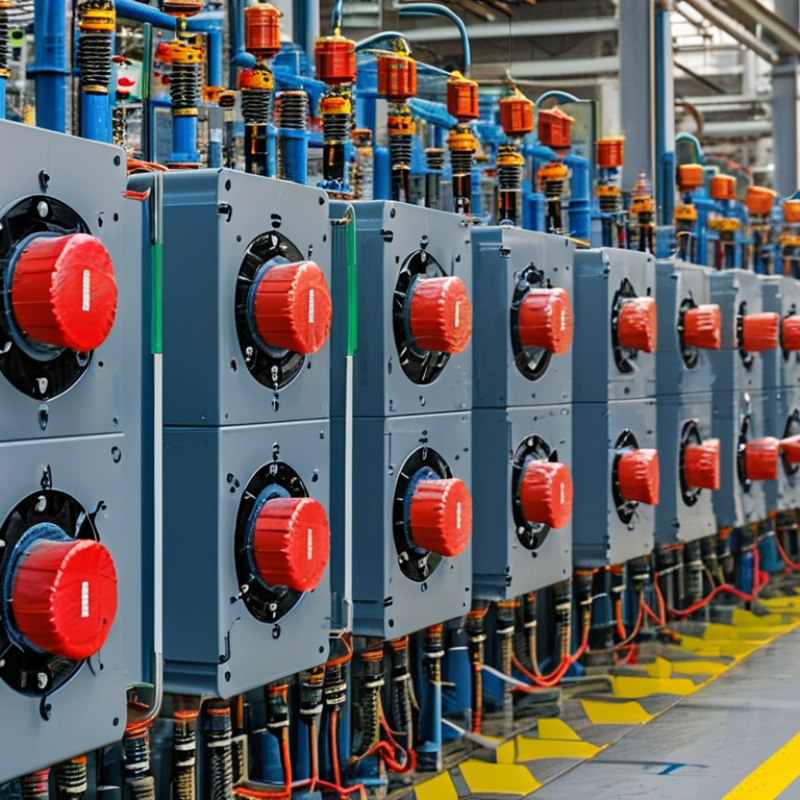
2026 Top Electrical Disconnector Trends What Buyers Need to Know?

Key Innovations Shaping the Future of Electrical Disconnectors in 2026

The electrical disconnector market is undergoing significant transformation. Key innovations are shaping its future as we approach 2026. According to a recent industry report, the global electrical disconnector market is expected to reach $12 billion by 2026, with a compound annual growth rate (CAGR) of 6.5% from 2021 to 2026. This growth is powered by advancements in technology and increased demand for renewable energy sources.

One major trend is the integration of smart technology into disconnectors. Smart disconnectors enable real-time monitoring and remote operation. They enhance safety and reduce downtime. These devices often use IoT connectivity. Sadly, not all manufacturers have adopted this trend equally. A 2023 survey found that only 30% of companies have implemented smart features in their disconnectors, highlighting a gap in the market.

Another pivotal development is the shift towards sustainable materials. Many manufacturers are exploring alternatives to traditional insulating materials. A study indicated that around 40% of industry leaders prioritize eco-friendly solutions in the design phase. However, challenges persist. Cost considerations and the availability of materials hinder widespread adoption. Manufacturers must balance innovation with practicality, often realizing that more research is required. This dual focus is vital for meeting upcoming regulatory standards and consumer expectations.

Understanding the Essential Functions of Electrical Disconnectors

Electrical disconnectors are essential for safety in electrical systems. They serve as a means to isolate a section of the electrical circuit. This allows maintenance and repairs to occur without risking harm. Knowledge of their functions is vital for buyers.

These devices provide critical operations such as disconnecting power and ensuring equipment is not energized. Understanding these functions is important for selecting the right disconnector. It is useful to know the different types, including manual and automatic options. Knowing the specific requirements for your electrical setup will ensure safety and efficiency.

Tips: Always consult with an electrical engineer for optimal configuration. Regularly inspect disconnectors for wear and damage. This can prevent unexpected failures. Recognizing the limitations of your disconnector is also essential. Don't overlook small details; even minor issues can lead to significant risks.

Major Trends in Electrical Disconnector Design and Technology

The landscape of electrical disconnectors is evolving rapidly. As of 2023, the global market for electrical disconnectors is projected to reach over $5 billion by 2026, driven by increasing renewable energy adoption and smart grid technologies. Modern designs focus on enhanced safety features, durability, and ease of maintenance. A recent industry report highlighted that over 70% of buyers prioritize safety enhancements in their purchasing decisions.

Another significant trend is the shift toward digital technologies. More manufacturers are integrating IoT capabilities into disconnectors. This allows for real-time monitoring and predictive maintenance. A study from the International Electrotechnical Commission indicates that smart disconnectors could reduce operational downtime by up to 40%. However, the transition to such advanced solutions is not without challenges. Many buyers express concern regarding the reliability of these digital systems under extreme conditions.

Sustainability and environmental concerns are also shaping new designs. Manufacturers are exploring eco-friendly materials that reduce environmental impact. Yet, some buyers remain skeptical about the performance of these green alternatives. It’s a balancing act between innovation and proven reliability. This dynamic requires continuous dialogue within the industry to ensure that advancements meet the evolving needs of users while maintaining high performance standards.

Factors Influencing Electrical Disconnector Purchasing Decisions

When purchasing electrical disconnectors, several factors play a critical role. Buyers should understand the specific operational needs of their installations. Recent studies indicate that reliability is paramount, with over 80% of users prioritizing performance during critical failures. Electrical disconnectors must provide quick isolation to avoid costly downtime.

Additionally, the environmental conditions can influence decision-making. For instance, units designed for harsh environments see a 25% increase in demand, reflecting the need for durability. Buyers must evaluate insulation materials and weatherproofing features that ensure long-term functionality.

Cost considerations are also significant. While low-cost options may appear appealing, they often lack the reliability required for safety. Roughly 70% of procurement managers express concerns about the balance between price and performance. Investing in quality can yield savings in maintenance and operational costs over time.

2026 Top Electrical Disconnector Trends What Buyers Need to Know

Trend Description Impact on Purchasing Decisions Key Considerations
Smart Technology Integration Incorporating IoT and smart technologies for remote monitoring. Increases demand for modern disconnectors. Compatibility with existing systems.
Energy Efficiency Focus on reducing energy losses during operation. Encourages investment in more efficient models. Regulatory compliance and long-term savings.
Safety Standards Adherence to updated safety regulations and certifications. Safety features become a priority for buyers. Verify certifications and safety features.
Sustainability Initiatives Environmental impact considerations in product selection. Grows preference for eco-friendly products. Material sourcing and lifecycle analysis.
Customization Options Increasing requests for tailor-made solutions. Drives suppliers to offer more customization. Flexibility in design and implementation.

Safety Standards and Regulations Impacting Electrical Disconnectors in 2026

In 2026, safety standards and regulations play a pivotal role in shaping the electrical disconnector market. As technology advances, manufacturers are adapting to stricter guidelines. This ensures that disconnectors are not only effective but also safe for users and the environment. Compliance with these regulations requires ongoing investment in research and development. It also demands an understanding of the complex landscape of electrical safety.

Regulatory bodies are increasingly focusing on sustainability. This shift impacts every aspect of a product's life cycle, from production to disposal. Buyers must prioritize disconnectors that meet these evolving standards. Consideration of material sourcing is now essential. Many manufacturers are revisiting their supply chains to avoid harmful practices. This effort requires transparency, which is not always straightforward.

As the industry moves forward, challenges remain. Not all disconnectors will meet the new demands. Confusion about regulations can lead to poor purchasing decisions. Buyers should seek expert advice when evaluating products. This is crucial for ensuring compliance and performance. The journey towards safer and more efficient electrical disconnectors is ongoing, and it invites both innovation and reflection.

FAQS

: What are the key factors influencing the purchase of electrical disconnectors?

: Reliability and specific operational needs are critical. Many buyers prioritize performance, especially during critical failures.

Why is safety a top priority in electrical disconnector design?

Over 70% of buyers emphasize safety enhancements. Modern designs focus on improved safety features and durability.

How does sustainability affect electrical disconnector manufacturing?

Manufacturers are exploring eco-friendly materials. However, some buyers question the reliability of these green alternatives.

What role do digital technologies play in modern disconnectors?

IoT integration allows for real-time monitoring. This could reduce operational downtime but concerns about reliability remain.

How do environmental conditions impact disconnector purchasing decisions?

Buyers often seek units designed for harsh environments. Such models see increased demand due to their durability.

What are the costs associated with electrical disconnectors?

Low-cost options may lack reliability. Many procurement managers worry about balancing price with performance.

How will safety standards evolve by 2026?

Stricter regulations are expected. Manufacturers must adapt to these guidelines to ensure safety and environmental compliance.

What challenges do buyers face when selecting electrical disconnectors?

Confusion about regulations affects decisions. Buyers should seek expert advice to ensure compliance and reliability.

Why is ongoing investment in research important for manufacturers?

It is necessary to meet evolving safety standards. Compliance impacts product effectiveness and user safety.

Conclusion

The article titled "2026 Top Electrical Disconnector Trends What Buyers Need to Know" explores the latest advancements and considerations in the field of electrical disconnectors. With innovations driving future designs, understanding the essential functions of electrical disconnectors becomes crucial for industry stakeholders. The article highlights major trends in their design and technology, emphasizing efficiency and reliability.

Moreover, several factors influencing purchasing decisions are discussed, including performance, cost-effectiveness, and compliance with safety standards and regulations. As the market evolves, staying informed about these trends and requirements will be essential for buyers looking to invest in electrical disconnectors that meet the demands of modern applications in 2026 and beyond.

Amelia

Amelia

Amelia is a seasoned marketing professional with a wealth of expertise in our company’s core offerings. With an unwavering passion for driving growth and innovation, she plays a pivotal role in shaping our marketing strategies and enhancing brand visibility. A key aspect of her responsibilities......